
Heqin: Chinese dynastic marriage alliances
Heqin denotes diplomatic marriage alliances in Chinese history, where imperial or noble women were married into rival or neighboring courts to secure peace, tribute, or political ties; the practice had mixed results.
Overview
Heqin (literally "harmonious kinship" in Chinese) is a term used for marriage alliances arranged by Chinese rulers to create or preserve peaceful relations with neighbouring powers. These arrangements typically involved marrying a princess or a woman given an honorary royal title to the leader of a rival polity. Heqin combined marriage with diplomatic terms such as gifts, tribute payments or formal treaties and is recorded in a variety of Chinese historical sources.
Image gallery
2 Images
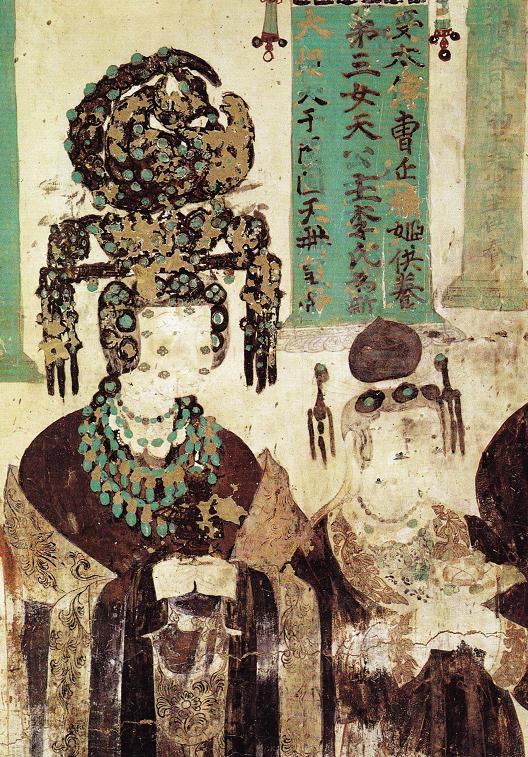
History and examples
Officials in several dynasties employed heqin, most famously during early imperial periods when sedentary Chinese states faced powerful nomadic confederations. Later regimes and northern dynasties adapted the practice to their own politics and ethnic relations. Sometimes the bride was a genuine daughter of the royal house; in other instances an unrelated woman received a princely title for the purpose of the marriage.
Characteristics and typical terms
- Designation of a bride as princess or noblewoman, whether or not she was kin.
- Exchange of gifts, dowries and regular payments or tribute from one side to the other.
- Accompanying political agreements such as hostages, trade concessions, or border arrangements.
- Use as part of wider diplomatic strategies rather than purely personal unions.
Heqin was pragmatic: it could secure temporary peace, open trade routes, or bind allies. However, its effectiveness varied. Some marriages led to durable alliances; others were resented at home as humiliating compromises, and hostile forces sometimes violated agreements despite the marriage bond.
Significance and legacy
As a diplomatic tool, heqin illustrates how marriage and kinship were deployed in pre-modern statecraft. The practice shows the flexibility of imperial ritual and the interplay between symbolic gestures and material concessions. Modern historians view heqin both as a means of stabilizing frontiers and as a contested response to military and political pressures.
Distinctions: Heqin differs from simple dynastic marriage in that it is an explicit diplomatic instrument, often combined with formal treaties and economic arrangements, and not merely a social or familial tie.
Related articles
Author
AlegsaOnline.com Heqin: Chinese dynastic marriage alliances Leandro Alegsa
URL: https://en.alegsaonline.com/art/43665