
Hensies
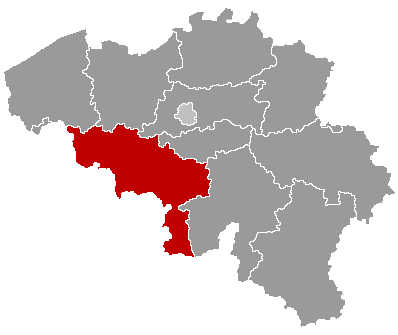
Hensies is a French-speaking municipality in Wallonia’s Hainaut province, Belgium. It had a recorded population of 6,731 in 2007 and lies near the French border, close to the city of Mons.

Overview
Hensies is a small municipality in the Walloon region of Belgium, located in the province of Hainaut. It is part of the French-speaking community and is one of many compact municipalities that make up the mixed urban and rural landscape of western Hainaut. The municipality had a recorded population of 6,731 inhabitants in 2007, according to the available statistics for that year.
Image gallery
3 Images

Geography and setting
The commune occupies a modest territory in the western part of the province, relatively close to the border with France and within the catchment of larger urban centres such as Mons. Its setting combines village centres, small residential areas and surrounding agricultural land. Local roads connect it to neighbouring towns and to regional transport links that serve Hainaut.

Administration and demographics
As a Belgian municipality, Hensies has an elected council and a mayor who oversee local services, planning and community activities. The population is predominantly French-speaking and reflects the characteristics of many small Walloon communes: a mix of long-standing local families and residents who commute to nearby towns for work. Detailed, current demographic and administrative information can usually be found through municipal and provincial resources.
History and economy
Like much of Hainaut, the area around Hensies has a history shaped by agriculture and by the industrial developments that affected the region from the 19th century onwards. Over time, regional shifts in industry and employment patterns have influenced local life, with many residents now working in services, manufacturing in nearby towns, or commuting to larger urban centres.
Culture, landmarks and local life
Hensies offers the quieter aspects of Walloon village life: local festivities, parish and community activities, and modest historical buildings typical of the area. Green spaces and nearby countryside provide opportunities for walking and outdoor leisure. Visitors and those seeking practical information can consult official sources for up-to-date details.
Further information
- Official municipal page — for local notices, services and contacts.
- Hainaut provincial information — context about the province and regional services.
Related articles
Author
AlegsaOnline.com Hensies Leandro Alegsa
URL: https://en.alegsaonline.com/art/43639
Sources
- statbel.fgov.be : Werkelijke bevolking per gemeente op 1 januari 2007 / Population de droit par commune au 1 janvier 2007 (.xls)
- statbel.fgov.be : Geografische coördinaten van de gemeenten (.xls)