
Henry II, Holy Roman Emperor
Henry II (c. 973–1024), called the Holy or the Saint, was the last ruler of the Ottonian dynasty. King of Germany from 1002 and crowned emperor in 1014, he promoted ecclesiastical reform and founded Bamberg.
Overview
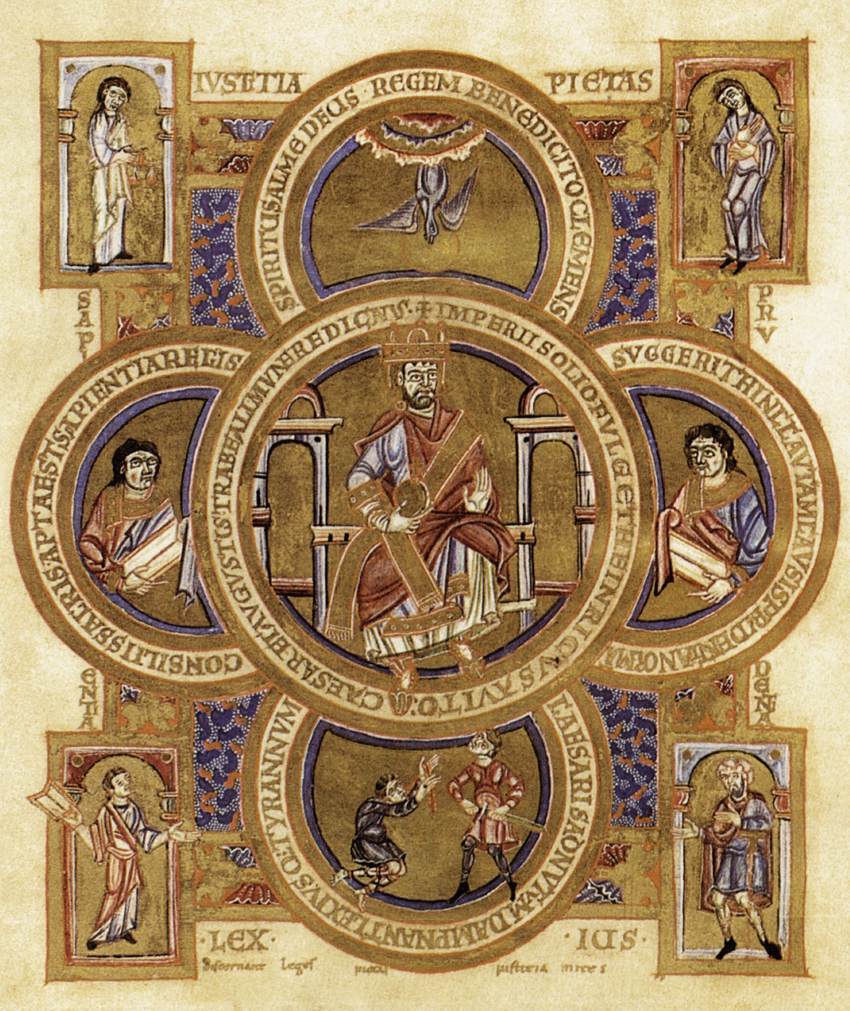
Henry II (born about 973, died 13 July 1024) was the final ruler of the Ottonian dynasty to hold the imperial title. He became King of Germany in 1002 and was crowned Holy Roman Emperor in 1014. Remembered for his personal piety and close cooperation with the church, Henry is also venerated as a saint in the Roman Catholic Church.
Image gallery
10 Images



Early life and accession
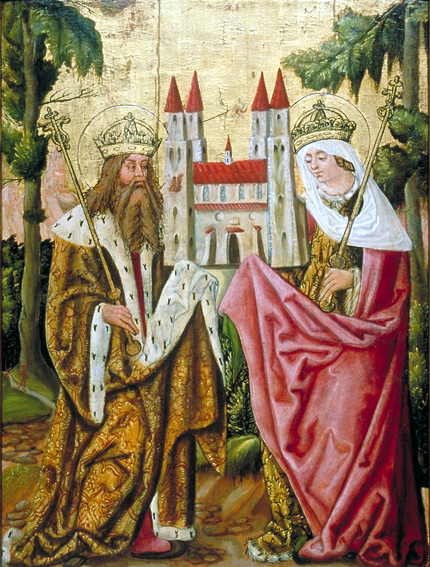
Henry belonged to the German high nobility and succeeded to the kingship at a moment of dynastic uncertainty after the death of Otto III. His marriage to Cunigunde of Luxembourg was politically significant and personally notable: the couple remained childless, which affected succession after his death. Henry consolidated his rule by securing the loyalty of German duchies and by making careful appointments to key episcopal sees.
Reign, policies and important events
Henry's reign combined military action with administrative and ecclesiastical initiatives. He led campaigns along the empire's eastern frontier and negotiated a settlement with the Polish ruler Bolesław I, culminating in the Peace of Bautzen (1018). In Italy he pursued imperial interests and received papal coronation, strengthening the traditional link between emperor and pope.
- 1002: accession as king of the Germans
- 1007: foundation of the bishopric of Bamberg
- 1014: imperial coronation by the pope
- 1018: Peace of Bautzen with Poland
Church, reform and canonization
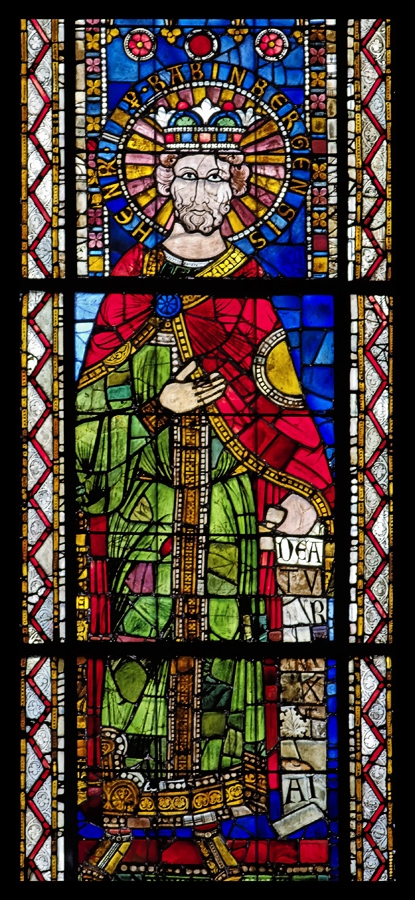
Henry invested heavily in the church as an institution, founding dioceses (notably Bamberg) and endowing monasteries. He sought to improve clerical standards and strengthen episcopal authority as a means of governance. His reputation for sanctity survived his reign: he and his wife Cunigunde were eventually canonized (Henry in 1146), and Bamberg became the center of his cult and his burial place.
Legacy and historical significance
As the last Ottonian ruler, Henry II's death in 1024 opened the way for the Salian dynasty. Historians see him as a pious and conscientious monarch who used ecclesiastical structures to stabilize royal power. His foundations and reforms had long-lasting effects on church organization in Germany, and his sainthood ensured that his reign was remembered in both political and religious terms.
Related articles
Author
AlegsaOnline.com Henry II, Holy Roman Emperor Leandro Alegsa
URL: https://en.alegsaonline.com/art/43586