
Hendrik Willem van Loon
Dutch-born historian and popular children's author (1882–1944), best known for the illustrated book The Story of Mankind and as the first winner of the Newbery Medal.
Overview
Hendrik Willem van Loon (January 14, 1882 – March 11, 1944) was a Dutch-born writer, educator and historian who became best known in the United States for introducing history to general readers and children through lively prose and hand-drawn illustrations. Born in Rotterdam, he moved to the United States in 1902 and wrote in English for much of his career. His work aimed to make large historical subjects accessible and entertaining without sacrificing factual grounding.
Image gallery
6 Images


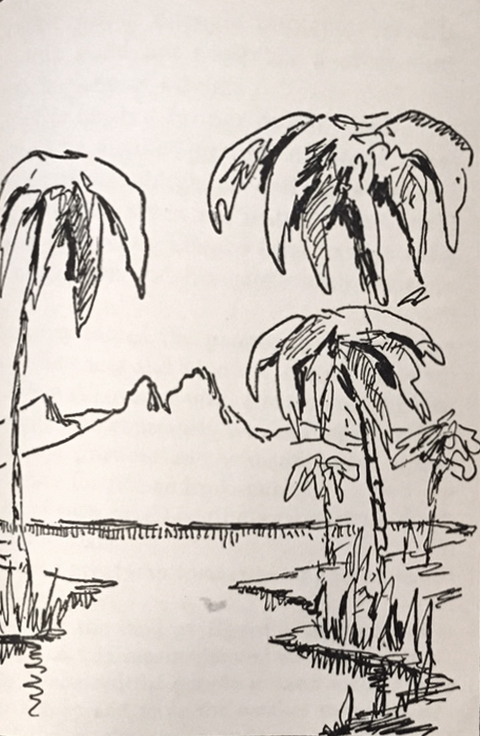
Style and principal work
Van Loon combined narrative summary, personal commentary, maps and simple drawings to explain complex events and figures. His most famous book, The Story of Mankind, presented a concise, chronological account of world history written for young readers and general audiences. That volume earned him the first Newbery Medal, an annual award recognizing distinguished contributions to American children’s literature. Beyond that title, he produced numerous illustrated essays and popular histories that emphasized clarity, humor and a conversational tone.
Career and development
Trained in Europe and active in American literary life, van Loon worked as a lecturer and magazine contributor as well as a book author. His background as an immigrant who wrote in a second language shaped a style that bridged scholarly subjects and everyday readers. He chose broad themes—civilizations, arts, and notable personalities—and condensed them into readable, episodic chapters with drawings that often served as mnemonic aids.
Legacy and notable facts
Van Loon helped define a popular approach to history writing for children that influenced later authors and educators. He is remembered for making historical material approachable and for the enduring popularity of The Story of Mankind. Contemporary readers and scholars often note his role in the early 20th-century expansion of illustrated educational books.
Further reading
Related articles
Author
AlegsaOnline.com Hendrik Willem van Loon Leandro Alegsa
URL: https://en.alegsaonline.com/art/43493