
Helma Sanders-Brahms: German filmmaker of history and women's experience
Overview of Helma Sanders-Brahms (1940–2014), a German director and screenwriter known for Germany, Pale Mother and for films addressing war, memory and women's lives within New German Cinema.
Helma Sanders-Brahms (20 November 1940 – 27 May 2014) was a German film director, screenwriter, producer and occasional actress whose work became associated with the New German Cinema of the 1970s and 1980s. She is best known internationally for the 1980 feature Germany, Pale Mother, a film that brought her attention for its intimate, often difficult portrayal of war’s effects on private life. Over several decades she made feature films and television works that combined personal storytelling with political and historical concerns.
Image gallery
1 Image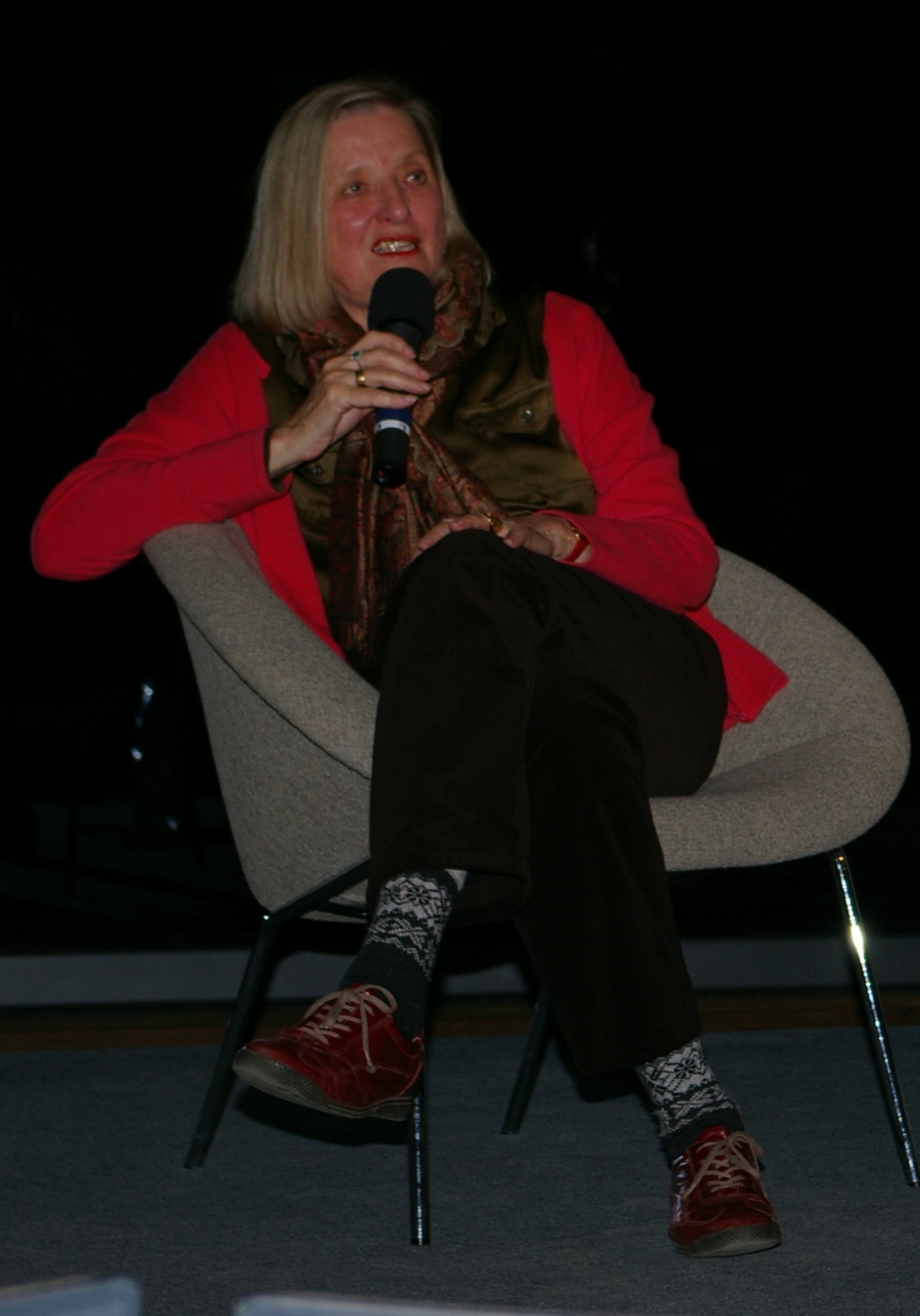
Early life and career
Sanders-Brahms was born in Emden in northern Germany. She began her professional life working in theatre and television before turning more fully to cinema. Early in her career she wrote and directed for a variety of formats, developing a distinctive voice that foregrounded female experience and family relationships while remaining attentive to broader social and historical forces.
Style and themes
Her films frequently examine the interaction of private memory and public history. Critics and scholars note her interest in how wartime and post‑war Germany shaped gender roles, motherhood and identity. She combined naturalistic performances with formal choices that could be austere or experimental, using flashback, montage and voiceover to probe psychological and generational effects.
Notable work and reception
Germany, Pale Mother (Deutschland, bleiche Mutter) is the title most often cited in discussions of Sanders‑Brahms’s work. Released in 1980, it traces a woman’s life through the Nazi era, the war and its aftermath, and is remembered for its emotional directness and historical critique. Her films were shown at festivals and discussed in film circles for addressing difficult subjects from a distinctively female perspective.
Legacy
Sanders-Brahms continued to make films into later decades, often alternating between feature fiction and documentary modes. Her commitment to portraying women's experiences and confronting Germany’s recent past influenced younger filmmakers and remains a point of reference in studies of postwar German cinema. She died in Berlin after a prolonged illness on 27 May 2014.
Further reading
- Career profile and filmography
- Biographical references for birthplace: Emden
- Notices and remembrances at the time of her death: Berlin reports
Related articles
Author
AlegsaOnline.com Helma Sanders-Brahms: German filmmaker of history and women's experience Leandro Alegsa
URL: https://en.alegsaonline.com/art/43408
Sources
- stern.de : stern.de – Filmemacherin Helma Sanders-Brahms gestorben