
Hebden Bridge — town in West Yorkshire: geography, history and culture
Hebden Bridge is a small market town in West Yorkshire, England, known for its valley setting, industrial heritage, independent culture, festivals and outdoor recreation.
Overview
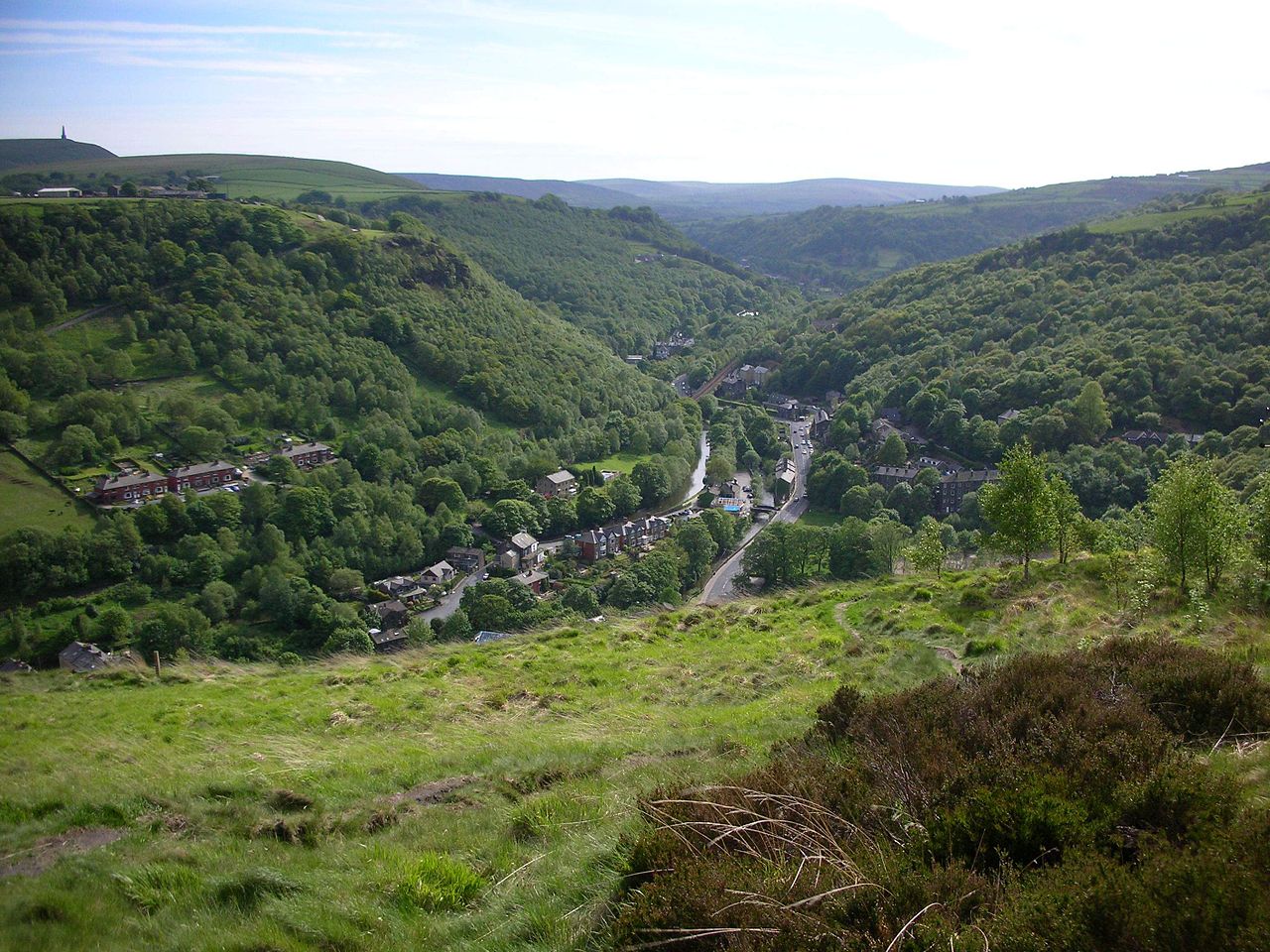
Hebden Bridge is a small town in the Calder Valley of West Yorkshire, England, located on the A646 road. It sits where steep Pennine slopes funnel the River Calder and Hebden Water together, producing a compact settlement of stone buildings, narrow streets and hillside terraces. The town serves as a local centre for shopping, culture and access to upland walking.
Image gallery
10 Images





Geography and built character
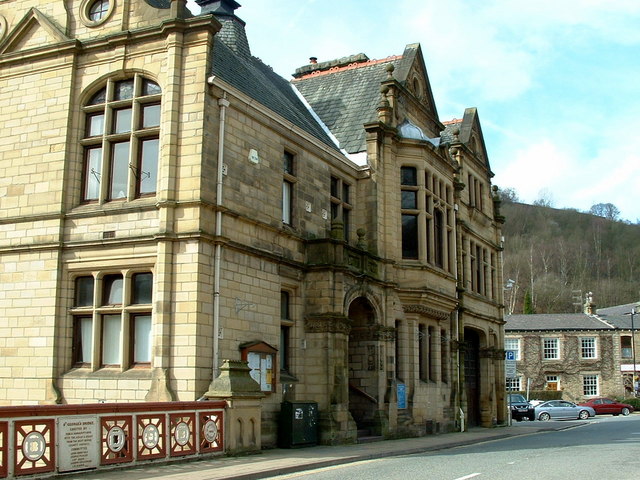
Hebden Bridge occupies a dramatic valley setting that shaped its development. Many streets are built on slopes or in tight terraces, and the town retains examples of 18th- and 19th-century stone architecture associated with the region's textile industry. Green hills and moorland surround the town, making it a popular base for walking, cycling and outdoor recreation in the Pennines.
History and development
Historically the town grew with the textile industry and local mills that processed wool and cotton in the 18th and 19th centuries. Industrial transport links, including local roads and rail connections, supported trade and the movement of goods. Like many former mill towns, Hebden Bridge moved through phases of industrial decline and later partial reinvention as a centre for small businesses and creative enterprises.
Culture, economy and community
The town is widely regarded for its independent shops, cafés, galleries and small creative firms. Community events, arts projects and local markets contribute to a lively cultural scene that attracts visitors from the region. Local businesses often emphasize crafts, food and sustainability, and the town has a reputation for a tolerant, community-minded atmosphere.
Transport and access
- Road: the A646 provides east–west road access through the Calder Valley.
- Rail: Hebden Bridge is served by rail connections on the Calder Valley line, linking to larger regional centres.
- Walking and cycling: trails and rights of way lead from the town into the surrounding Pennine landscape.
Notable facts and considerations
Hebden Bridge is often mentioned as an example of a post-industrial town that has developed a strong local identity rooted in culture and outdoor recreation. Its valley location brings scenic appeal but also means the town can be vulnerable to river flooding; local and regional agencies have worked on mitigation and community response measures. For visitors, the combination of historic streets, independent businesses and access to upland walks makes the town a distinctive destination in West Yorkshire.
Related articles
Author
AlegsaOnline.com Hebden Bridge — town in West Yorkshire: geography, history and culture Leandro Alegsa
URL: https://en.alegsaonline.com/art/43151