
Animikie Group: Paleoproterozoic sedimentary sequences around Lake Superior
A geological overview of the Animikie Group — Paleoproterozoic sediments and iron formations in the Lake Superior region, their subdivisions, geology, fossils, and economic significance.
Overview
The Animikie Group is a set of ancient sedimentary rock formations deposited in the Animikie Basin on and around the margins of the Superior Province of North America. These sediments accumulated during the Paleoproterozoic, broadly between about 2.5 and 1.8 billion years ago. They include extensive iron-rich layers, mudstones, sandstones and cherts and are best known where they crop out around Lake Superior.
Image gallery
8 Images



Main subdivisions
- Gunflint Range — notable for its cherts and microfossil-bearing units.
- Mesabi and Vermilion ranges — hosts thick banded iron formations (BIFs) that were major mining targets.
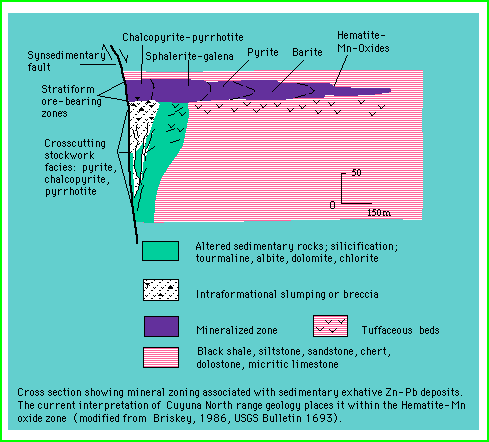
- Cuyuna Range — smaller iron-bearing deposits with complex local structure.
Geology and depositional environment
Rocks of the Animikie Group record deposition in shallow marine and shelf settings, later altered by burial, metamorphism and tectonism. Banded iron formations within the group are interlayered with cherty and pelitic units. The widespread iron-rich layers are commonly interpreted as precipitates formed in an ocean responding to changing chemistry and oxygen levels during the early Proterozoic.
Paleontology and age
Certain units, most famously in the Gunflint area, preserve microfossil and stromatolite-like remains interpreted as microbial mats and filamentous bacteria. These fossils, and radiometric constraints on the rocks, place parts of the sequence at roughly 1.9 billion years old, making them important for studies of early life and surface environmental change.
Economic importance and human history
Banded iron formations of the Mesabi, Vermilion and Cuyuna ranges were central to the development of iron mining in the Great Lakes region from the late 19th century onward. The high-grade iron ores shaped regional industry, transport networks and urban growth. Exploration and mining continue to be a recurring theme where Animikie rocks are accessible.
Notable distinctions
The Animikie Group is often discussed in comparison with other Archean–Proterozoic successions because it combines well-preserved sedimentary layering, economically important iron formations and rare, well-preserved early microfossils. For further geological summaries and maps see Animikie Group resources.
Tags
Related articles
Author
AlegsaOnline.com Animikie Group: Paleoproterozoic sedimentary sequences around Lake Superior Leandro Alegsa
URL: https://en.alegsaonline.com/art/4295