
Havana, Illinois
Havana, Illinois is a small river city and the county seat of Mason County, located on the Illinois River. It is known for riverfront scenery, local history, and nearby wildlife and recreation areas.
Overview
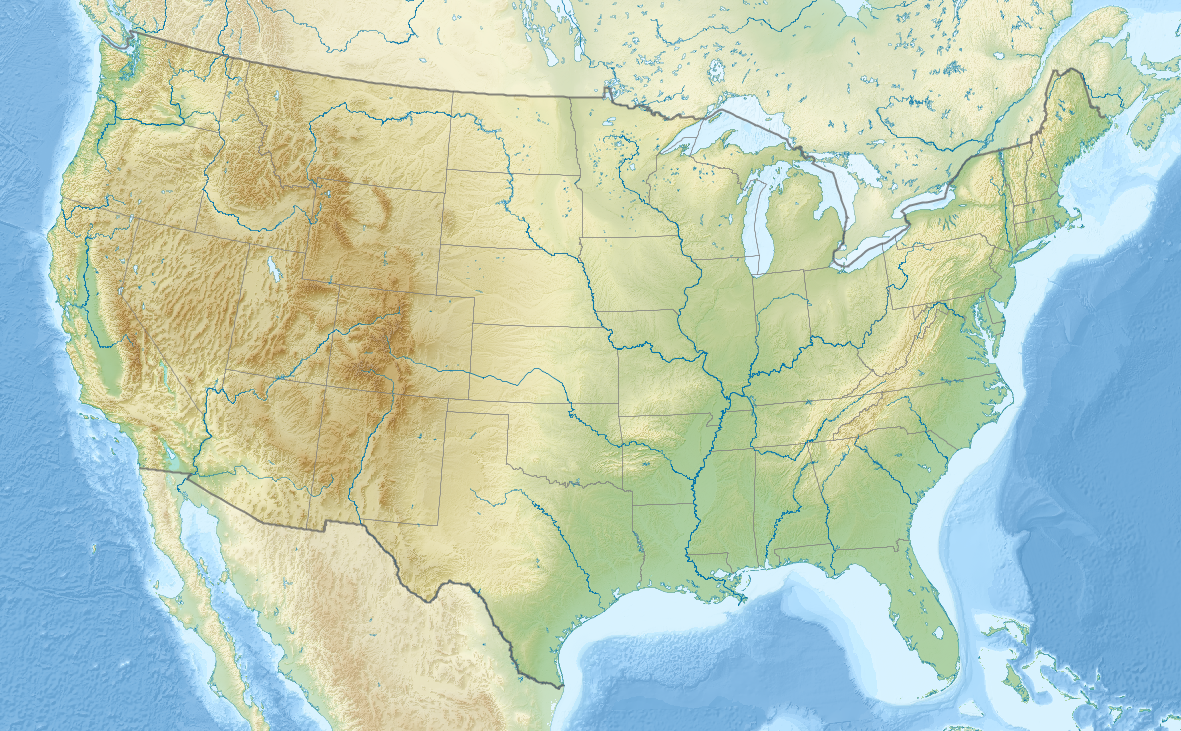
Havana is a small city on the Illinois River in central Illinois. It serves as the county seat of Mason County and functions as a local center for government, commerce and services. The place name reflects a 19th‑century American habit of adopting exotic or classical names; the city is unrelated to the Caribbean capital despite sharing its name. See the municipal page: Havana, the state at Illinois, and the nation at United States.
Image gallery
2 Images
Geography and environment
Havana sits on the river's edge amid broad floodplain and higher bluffs. The river has shaped local land use, providing fertile soils for agriculture and pockets of wetland habitat that attract waterfowl and other wildlife. The surrounding countryside is typical of central Illinois: a mix of cropland, woodlots and small towns linked by state highways.
History and development
The community developed where river traffic, local farming and county administration met. In the 19th and early 20th centuries, riverboats and barges moved grain and goods to larger markets, and the town grew as a service point for river commerce and nearby rural areas. Over time transport shifted to roads and rail, but the riverfront remains an element of local identity.
Economy and culture
Havana's economy is based on agriculture, light industry, retail and public services typical of county seats. The city supports civic institutions, schools and small businesses that serve residents across Mason County. Cultural life often centers on community events, historical societies and outdoor recreation tied to the river and nearby natural areas.
Attractions and notable facts
- Riverfront parks and boating opportunities along the Illinois River.
- Proximity to wildlife habitat popular for birdwatching and seasonal hunting.
- Historic downtown buildings and local museums that document county history.
Visitors and residents value Havana for its scenic riverside setting, local heritage and role as a regional service hub. For municipal details, events and visitor information consult local resources and government pages such as the city site or broader pages at the state and national references.
Related articles
Author
AlegsaOnline.com Havana, Illinois Leandro Alegsa
URL: https://en.alegsaonline.com/art/42882