
Animated cartoon
Animated cartoons are films or sequences that create motion from drawn, photographed, or computer-generated images. This article explains forms, techniques, history, uses, and notable examples.
Overview
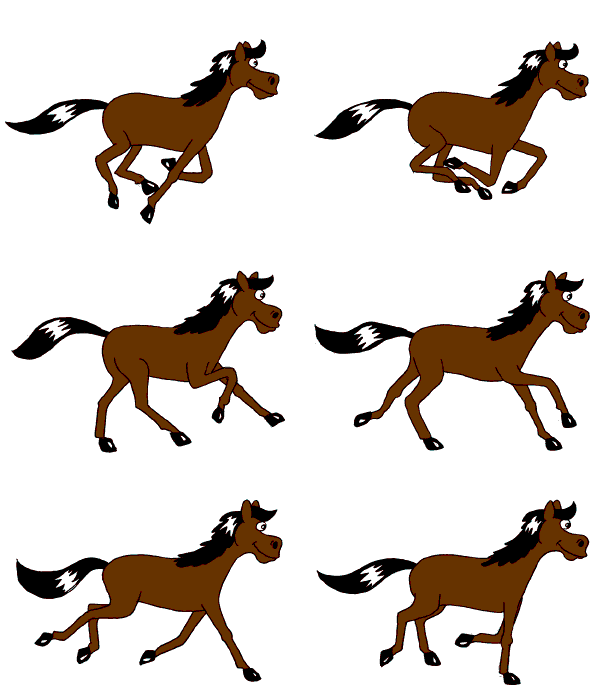
An animated cartoon is a motion picture in which a series of images—drawings, painted cells, photographed models, or computer frames—are displayed in rapid succession to create the illusion of movement. Cartoons range from short comedic sketches to full-length feature films and appear across platforms such as the cinema, broadcast television, and personal computer or streaming screens. In everyday usage, "cartoon" often implies a stylized, exaggerated visual style and a focus on character and action, though subject matter and tone can vary widely.
Image gallery
10 Images




Techniques and styles
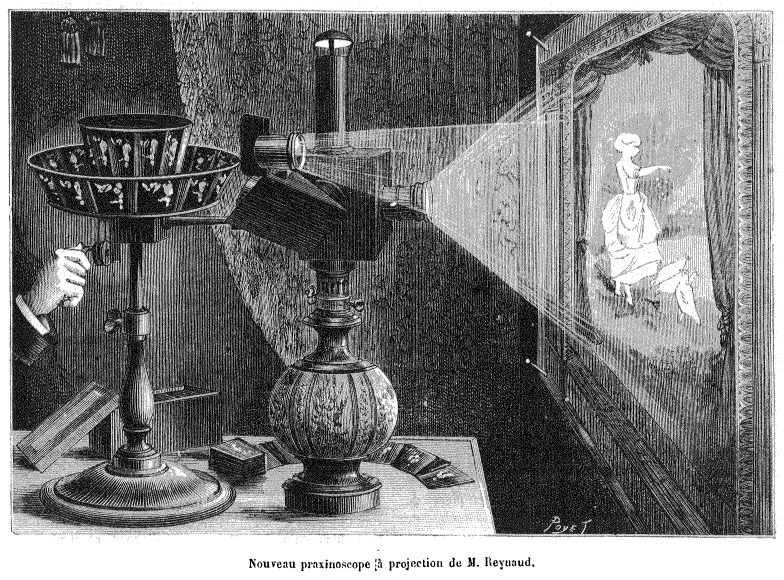
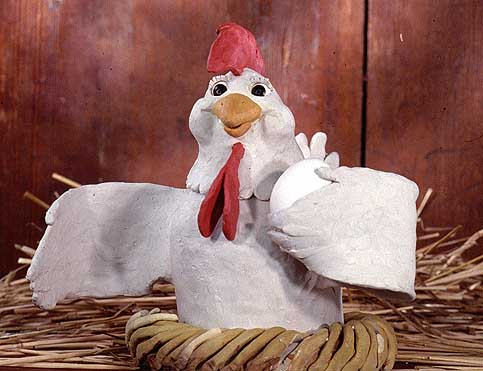
Animation encompasses several distinct methods and aesthetic approaches. Traditional hand-drawn animation (often called cel animation) involves creating each frame by drawing or painting. Stop-motion uses photographed increments of physical models or puppets. Computer-generated imagery (CGI) produces motion digitally and is the dominant technique for many modern feature films. Experimental and hybrid works blend live-action with animated elements or combine multiple animation methods.
History and development
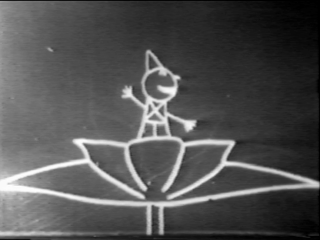
Early animated shorts appeared in the late 19th and early 20th centuries as novelty films and vaudeville attractions. The format matured into narrative shorts and, eventually, feature-length productions. A major landmark in the United States was Disney's Snow White and the Seven Dwarfs (1937), often cited as the first American full-length animated feature; its commercial success encouraged studios to invest in longer-form animation. Over the decades, the medium diversified with landmark titles such as Pinocchio, Fantasia, Dumbo, Bambi, and later works like Charlotte's Web (1973), The Secret of NIMH (1982), An American Tail (1986), and The Little Mermaid (1989).
Uses and cultural importance
Cartoons serve many purposes: entertainment for children and adults, satire and political commentary, artistic exploration, and commercial advertising. Animated series can build long-running franchises with merchandising and cross-media adaptations. Educational animations explain complex concepts through visual storytelling. The flexibility of animation allows creators to represent the impossible, exaggerate emotion, and stage sequences that would be impractical in live action.
Forms, distinctions, and notable facts
- Short vs. feature: Shorts typically run minutes long and focus on a gag or brief story; features present extended narratives and character development.
- Style differences: "Cartoon" often implies simplified or exaggerated forms, while animation more broadly covers realistic CGI and experimental motion graphics.
- Global traditions: Different countries developed distinct animation cultures—American studios, Japanese anime, and European independent animation each emphasize different storytelling approaches.
- Resources: For general background on film and broadcast contexts see movie resources and platform overviews at cinema guides and television references. Technical introductions to digital animation can be found through many online courses and software documentation, for example computer animation guides.
Because animation is a craft that blends art and technology, it continues to evolve as new methods and distribution channels develop, while classic films remain touchstones for the medium's storytelling possibilities.
Tags
Related articles
Author
AlegsaOnline.com Animated cartoon Leandro Alegsa
URL: https://en.alegsaonline.com/art/4285