
Hassan Nasrallah: Leader of Hezbollah and Lebanese Shi'a Figure
Hassan Nasrallah (born 1960) is the Secretary‑General of Hezbollah, a Lebanese Shi'a political and militant movement. He is a cleric, a political leader, and a polarizing figure in regional and international politics.
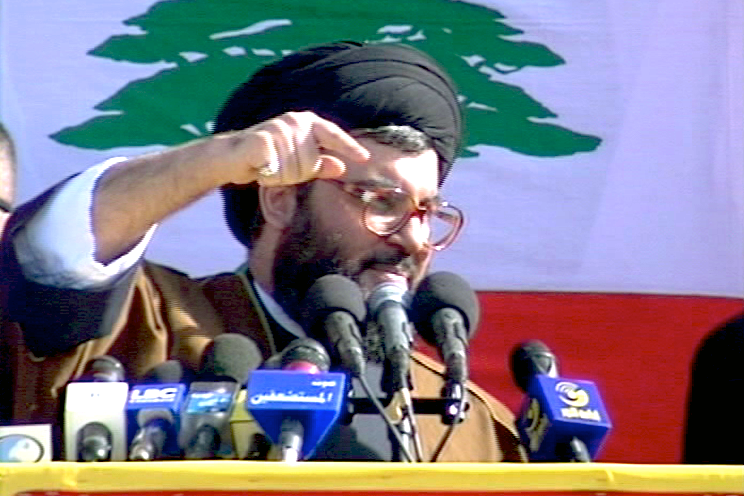
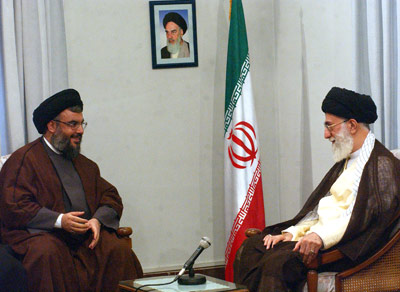
Hassan Nasrallah (Arabic: حسن نصرالله; born 1960) is the long‑time Secretary‑General of Hezbollah, a Lebanese Shi'a Islamist political party and armed movement. He is known both as a cleric and as the public face of an organization that combines electoral politics, social services and an armed wing. Nasrallah has played a central role in Lebanese politics and in wider regional conflicts, and opinions about him differ sharply between supporters who view him as a resistance leader and critics who label him a militant leader.
Image gallery
8 Images


Role and characteristics
As leader of Hezbollah, Nasrallah oversees a movement that operates as a political party with parliamentary representation, provides community services, and maintains an organized military capability. He is a trained Shi'a cleric who frequently gives televised addresses and statements, often from secure locations. His communication style is rhetorical and strategic, aimed at both domestic audiences in Lebanon and sympathetic constituencies across the region.
Origins and development
Nasrallah rose through Hezbollah's ranks in the 1980s and became its secretary‑general in the early 1990s after the death of an earlier leader. Under his leadership the group consolidated its role in Lebanon, expanded its social and political work, and maintained an armed presence particularly focused on the Israeli‑Lebanese front. Major events associated with his tenure include the withdrawal of Israeli forces from southern Lebanon in 2000 and the armed conflict with Israel in 2006, episodes that shaped both his domestic standing and international perception.
Activities and influence
- Domestic politics: Hezbollah participates in elections and holds seats in parliament; it has ministers and allies in Lebanese institutions.
- Social services: The movement runs schools, hospitals and welfare programs that bolster local support.
- Armed resistance and regional role: Hezbollah sustains an armed capability and has been active in regional conflicts, often aligned with state actors in the region.
Controversies and international status
Nasrallah and the organization he leads are controversial on the international stage. Several governments and international bodies classify parts or all of Hezbollah as a terrorist organization. For example, the United States and the United Kingdom are among those that have applied restrictive designations; other jurisdictions make distinctions between political and military components. Nasrallah himself has been subject to sanctions and travel restrictions, and he remains a polarizing public figure.
Observers note the dual nature of Hezbollah under Nasrallah's leadership: a movement that combines parliamentary politics and social programming with an armed capacity and a regional network of alliances. Supporters credit him with defending Lebanese interests and providing services; critics point to militancy and regional interventions. For more context on names, organizations and regional dynamics see additional references: Hezbollah overview, historical background on Hezbollah and regional analyses linked to Lebanon.
Related articles
Author
AlegsaOnline.com Hassan Nasrallah: Leader of Hezbollah and Lebanese Shi'a Figure Leandro Alegsa
URL: https://en.alegsaonline.com/art/42761