
Hassan al‑Turabi: Sudanese Islamist leader and political figure
Sudanese religious scholar and politician who led the National Islamic Front, served as Speaker of the National Assembly, later led the Popular Congress Party, and remained a controversial influence on Sudanese politics.
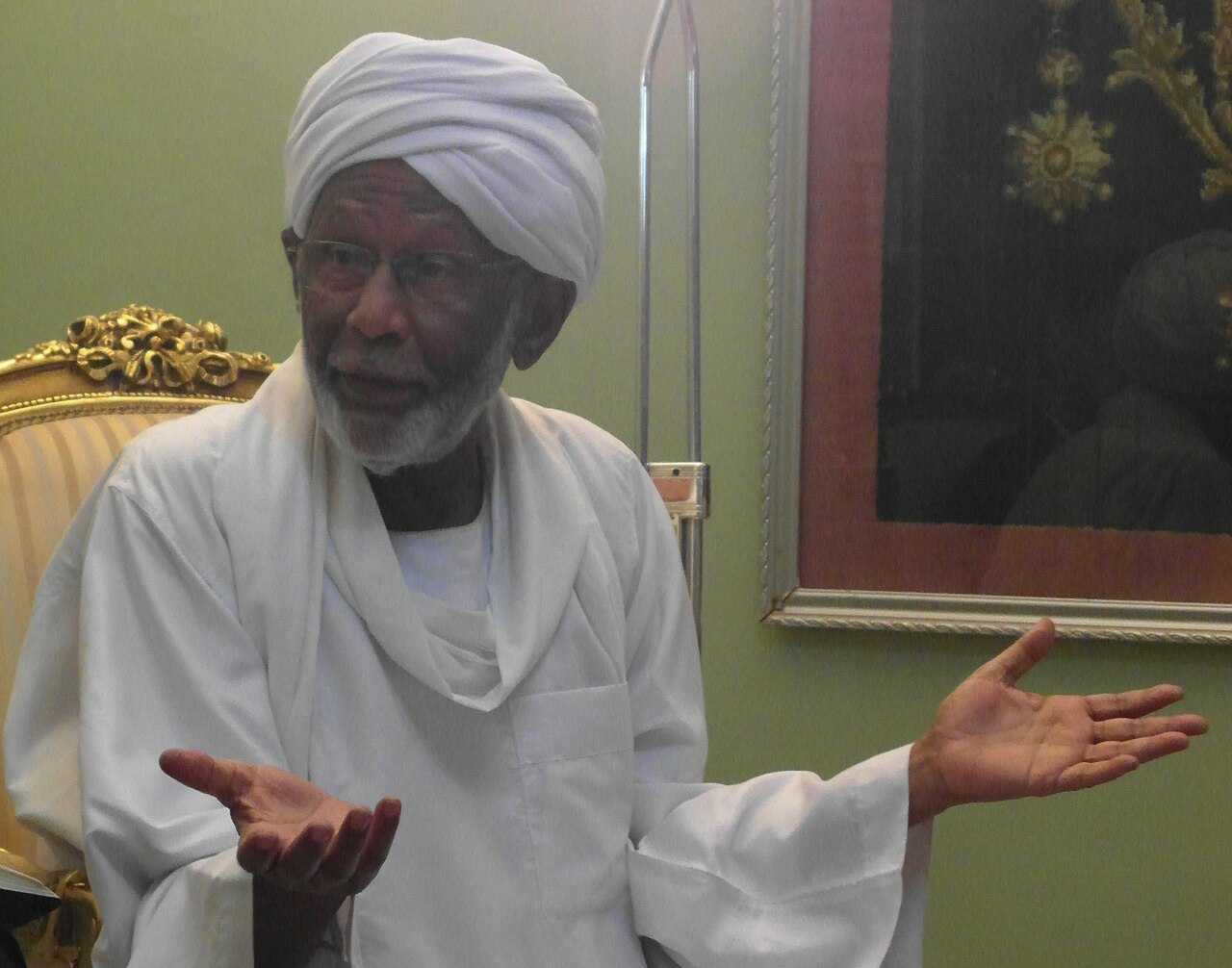
Hassan 'Abd Allah al‑Turabi (c.1932 – 5 March 2016) was a Sudanese religious scholar, Islamist ideologue and political leader whose ideas and alliances shaped Sudanese politics for decades. He is widely regarded as one of the most influential and polarizing figures in modern Sudan: an intellectual architect of political Islam in Sudan, a key organizer of Islamist movements, and a politician who alternated between power and opposition during a long public career. For further biographical detail see his profile.
Image gallery
4 Images


Background and beliefs
Al‑Turabi combined Islamic scholarship with modern political organizing. He advocated for a public role for Islamic law and institutions, arguing that Islam could provide a framework for state governance, social reform and resistance to colonial and secular elites. His thought drew both admiration from supporters who saw a path to moral renewal and criticism from secularists and human rights advocates who warned about restrictions on civil liberties.
Political career and roles
Al‑Turabi played a central role in forming and leading Islamist political organizations in Sudan, most prominently the National Islamic Front (NIF). During the period when the NIF was influential, he worked closely with military and civilian partners to translate Islamist goals into governance, and he held formal office, including serving as Speaker of the National Assembly from 1996 to 1999. After a political split he became Secretary‑General of the Popular Congress Party from 1999 until his death in 2016.
Alliances, splits and exile from power
His relationship with Sudan’s ruling circles was changeable: allied at times with military rulers who brought Islamists into government, and later in conflict with them when policy and personal rivalries emerged. These shifts led to periods of political marginalization, arrest, and renewed activism as an opposition figure. Observers note that his trajectory—from ideologue to kingmaker to critic—illustrates the tensions within Islamist politics when mixed with state power.
Controversies and international attention
Al‑Turabi attracted international controversy. Various governments and analysts accused elements within movements he led of providing support or safe haven to militant activists; such allegations contributed to diplomatic isolation and sanctions at times. At home his advocacy for strict interpretations of Islamic law prompted debate over human rights, minority protections and freedom of expression. Supporters countered that he was a pragmatic strategist who sought Islamic renewal and political independence for Sudan.
Legacy and death
Hassan al‑Turabi died in Khartoum on 5 March 2016 at about eighty‑four years of age. His legacy remains contested: he is remembered as a major architect of Sudanese political Islam, an influential jurist and organizer, and a divisive figure whose ideas affected both domestic policy and broader Islamist currents in the region. For contemporary reports on his death and assessments of his impact see news coverage.
- Born: Kassala, Sudan (c.1932).
- Key roles: Leader in the National Islamic Front; Speaker of the National Assembly (1996–1999); Secretary‑General of the Popular Congress Party (1999–2016).
- Notable themes: Political Islam, legal reform, organizational leadership, controversial international links.
Related articles
Author
AlegsaOnline.com Hassan al‑Turabi: Sudanese Islamist leader and political figure Leandro Alegsa
URL: https://en.alegsaonline.com/art/42756
Sources
- aljazeera.com : Aj-Jazeera Sudan Opposition leader Hassan al-Turabi dies