
Hasselt
Hasselt is the capital of Limburg province in Flanders, Belgium, known for its jenever tradition, a notable Japanese garden, a fashion museum, Hasselt University and a compact historic centre with cultural attractions.
Overview
Hasselt is a city and municipality in the Flemish Region of Belgium, serving as the administrative capital of the province of Limburg. It lies in the northeastern part of the country, close to the Dutch border, and functions as a regional centre for commerce, education and culture. The city combines a compact historic core of churches and guild houses with contemporary public spaces, parks and leisure facilities.
Image gallery
10 Images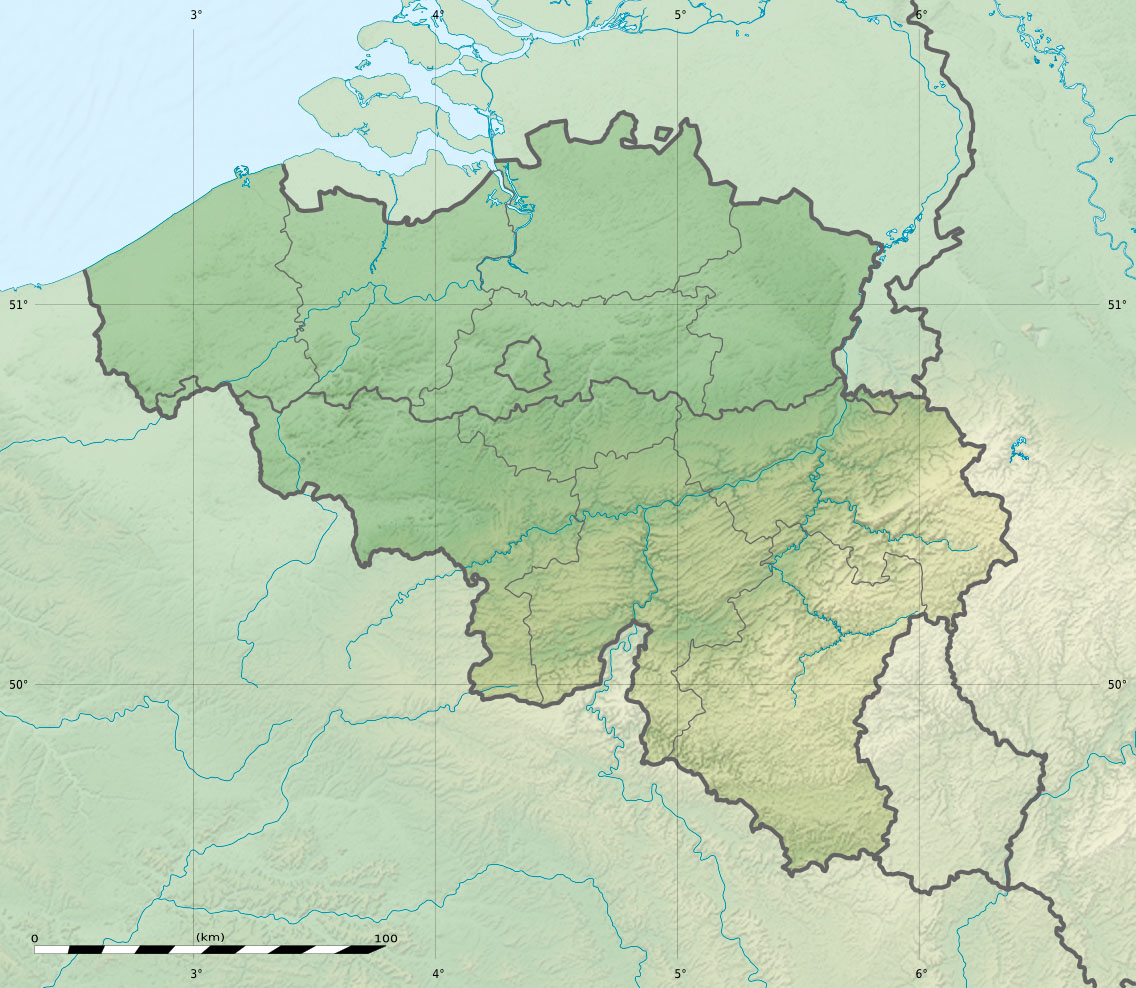



History
Hasselt developed from a medieval market settlement and grew over centuries as an administrative and commercial town in the Low Countries. Its historical centre preserves streets and buildings that record phases of civic growth, religious life and local trade. Over the modern era Hasselt expanded into surrounding villages and adapted industrial and service activities to regional needs.
Culture and attractions
Hasselt is notable for several cultural institutions. The city hosts a museum dedicated to jenever, the juniper‑flavoured spirit long associated with the region, and a fashion museum that explores textile history and contemporary design. A well‑known Japanese garden, created as a symbol of friendship with a Japanese sister city, is a landscaped attraction visited for its seasonal planting and tranquil design. The city also stages markets, exhibitions and regular cultural events that mark the civic calendar.
Economy and education
The local economy blends retail, services, tourism and small‑scale industry. Hasselt is a shopping and service hub for surrounding communities and supports a student population through Hasselt University, which has campuses in the city and nearby Diepenbeek. The presence of higher education institutions contributes to research, cultural life and local businesses.
Transport and urban life
Hasselt is connected by road and rail to other Belgian cities and to the Netherlands, making it a practical node for regional travel and commuting. The city centre is compact and pedestrian‑friendly, with parks and riverside promenades that provide recreational space for residents and visitors.
Distinctive features
- Jenever tradition: museums and tasting culture that highlight the local spirit heritage.
- Japanese garden: a landscaped public garden representing international cultural exchange.
- Fashion and museums: collections and programmes devoted to textiles and contemporary design.
- University presence: Hasselt University helps shape the city’s research, culture and economy.
Other uses of the name
Hasselt is also the name of smaller places and family names in the Low Countries. In general usage, without additional context, the name most often denotes the Belgian provincial capital described above.
Related articles
Author
AlegsaOnline.com Hasselt Leandro Alegsa
URL: https://en.alegsaonline.com/art/42764
Sources
- statbel.fgov.be : Werkelijke bevolking per gemeente op 1 januari 2007 / Population de droit par commune au 1 janvier 2007 (.xls)
- statbel.fgov.be : Geografische coördinaten van de gemeenten (.xls)
- commons.wikimedia.org : Hasselt (Belgium)