
Anguilcourt-le-Sart
Anguilcourt-le-Sart is a small rural commune in the Aisne department of northern France, with medieval roots, agricultural character, and toponymy typical of Picardy (now Hauts-de-France).
Overview
Anguilcourt-le-Sart is a small commune in the Aisne area of northern France. Located within the historical region often called Picardy, today it is administered as part of the Hauts-de-France region. The settlement is typical of northern French countryside communities: compact, rural and largely connected to local agriculture and village life. For departmental matters it falls under the Aisne department, and further administrative information is available through the departmental administration.
Image gallery
3 Images

Name and origins
The place-name combines two elements: "-court", common in northern France and derived from the Latin curtis, meaning a farm or estate; and "sart", an Old French term for land cleared for cultivation. This suggests the locality developed from agricultural estates and cleared fields in medieval times. The compound name therefore reflects both a long-standing rural economy and an historic pattern of settlement and land use.
Geography and character
Anguilcourt-le-Sart sits in the gentle, open landscape typical of the Aisne department, with fields, hedgerows and small woodlands. Its economy has been shaped by farming and small-scale rural activities; residences cluster around a village centre with local civic buildings and often a church. The commune is connected by local roads to neighbouring villages and larger towns in northern France. For regional context see Picardy (historic) and broader northern France resources at northern France regional pages.
History and heritage
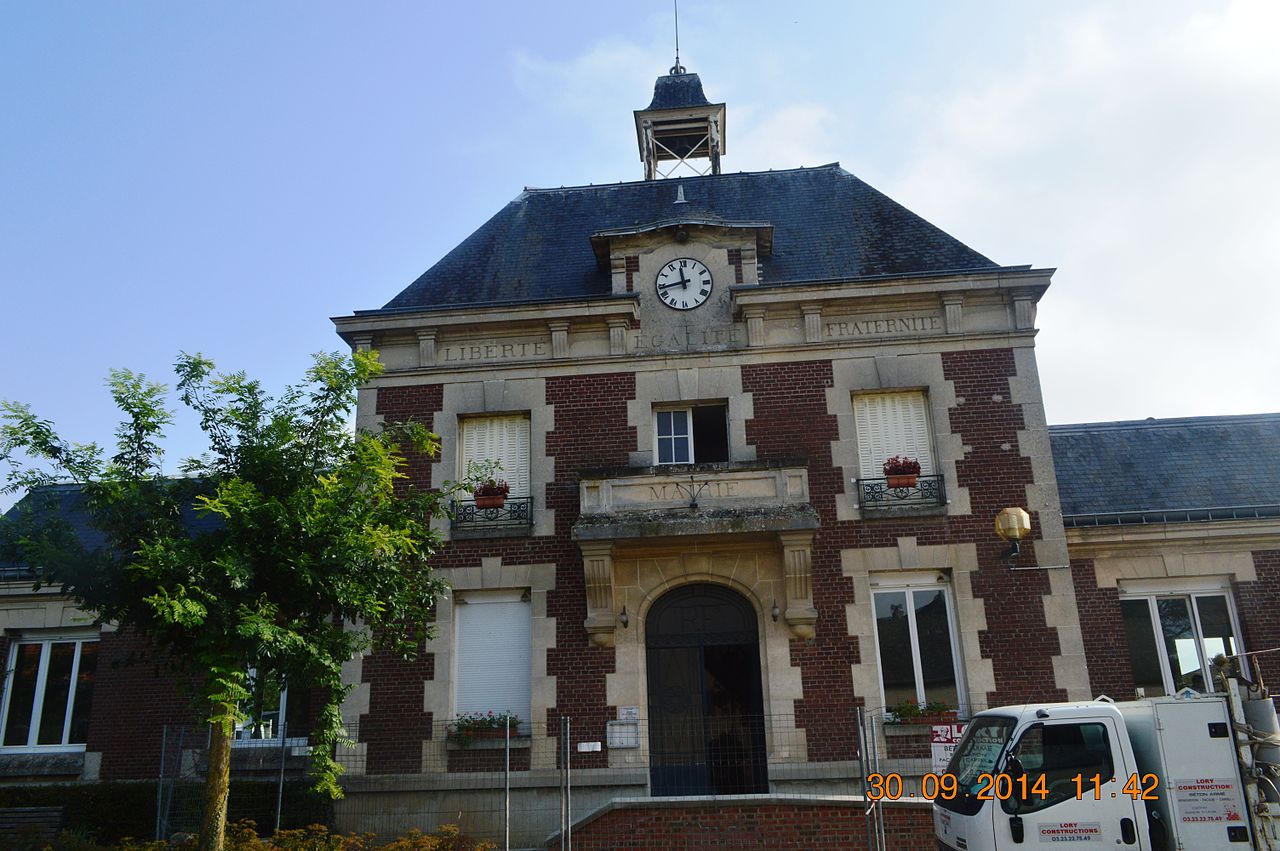
The history of many communes like Anguilcourt-le-Sart stretches back to the Middle Ages, when rural estates and cleared lands expanded. Local heritage typically includes a parish church, a town hall (mairie) and vernacular houses built in masonry and brick. While not a major urban centre, the village contributes to the layered history of rural Picardy and Aisne through its landscape, place-name and built fabric.
Administration, life and visiting
As a commune it functions as the lowest level of local government in France, with responsibilities for basic services, local planning and community life. Visitors and researchers looking for more detailed information—administrative contacts, heritage listings or maps—should consult official departmental or regional resources. The village exemplifies the small communes that together form the rural backbone of northern France.
Notable aspects
- Toponymy reflecting medieval land use: "-court" and "sart".
- Predominantly agricultural setting and village-centered life.
- Part of the historic Picardy cultural area, now within Hauts-de-France.
Related articles
Author
AlegsaOnline.com Anguilcourt-le-Sart Leandro Alegsa
URL: https://en.alegsaonline.com/art/4231