
Anhée, Belgium
Anhée is a municipality in Wallonia, province of Namur, lying in the Meuse valley. It is known for the water gardens at Annevoie and rural landscapes; population was about 6,958 in 2007.
Overview
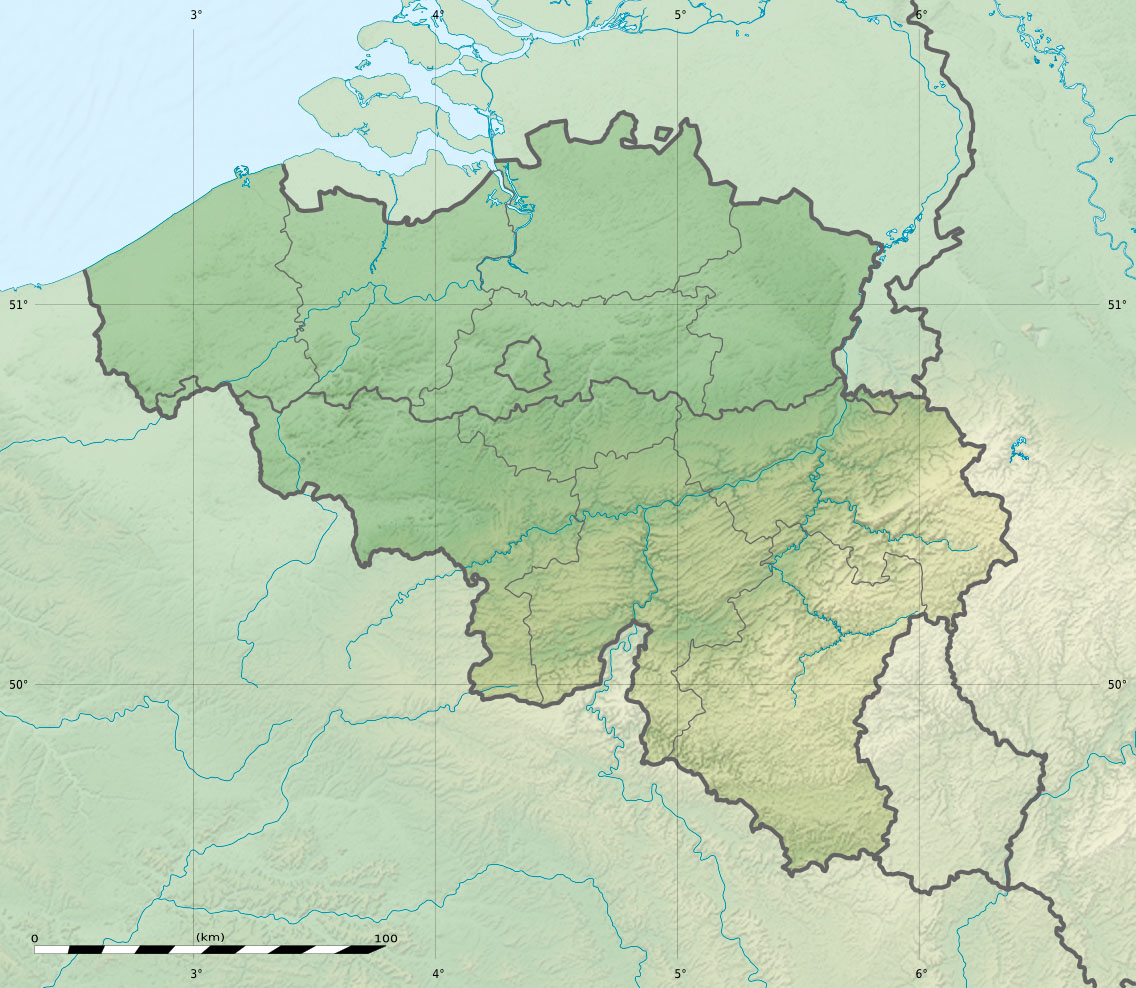
Anhée is a municipality in the French-speaking Wallonia region of Belgium, located in the province of Namur. It lies in the Meuse river valley between the cities of Namur and Dinant, at approximately 50°18′N, 4°52′E. The municipality had about 6,958 inhabitants in 2007; more recent figures are available from local demographic sources (population data). General information and municipal services may be found via the town's information pages (municipal website).

Image gallery
4 Images


Geography and characteristics
Anhée combines riverfront terrain with rolling agricultural hills. The Meuse and several small tributary streams shape the landscape, creating corridors of woodland, meadows and arable land. The area supports mixed farming, small businesses and a modest tourism sector focused on natural and cultural heritage. The municipality is administratively part of the province of Namur (province of Namur).
Historically the settlements in and around Anhée grew up along the river and on defensible high ground. Like many communities in this part of Belgium, its development reflects medieval land divisions, later rural modernization, and a 19th–20th century increase in transport and communication along the Meuse.
Attractions, economy and recreation
One of the most visited sites in the municipality is the Jardins d'Annevoie, famous landscaped water gardens that combine architecture and flowing water features; these gardens attract visitors interested in horticulture and historic estates. Local income derives from agriculture, small industry, and tourism; businesses include hospitality services that cater to day-trippers and regional visitors.

Outdoor activities are common: riverside walking and cycling, boating on parts of the Meuse, and visiting small heritage churches and manor houses. Practical visitor information is available through regional tourist offices and local guides.
Administratively, Anhée is governed by a municipal council as are other Belgian communes. Its location in the Meuse valley gives it regional importance as a peaceful rural community with accessible cultural attractions and straightforward links to larger urban centers in Namur province.
Related articles
Author
AlegsaOnline.com Anhée, Belgium Leandro Alegsa
URL: https://en.alegsaonline.com/art/4252
Sources
- statbel.fgov.be : Werkelijke bevolking per gemeente op 1 januari 2007 / Population de droit par commune au 1 janvier 2007 (.xls)
- statbel.fgov.be : Geografische coördinaten van de gemeenten (.xls)
- commons.wikimedia.org : Anhée