
Hang gliding: unpowered flight by foot‑launched, weight‑shift aircraft
Hang gliding is a recreational and competitive air sport using a flexible or rigid, unpowered wing controlled by the pilot’s weight‑shift and harness; practiced worldwide with formal training and safety standards.
Overview
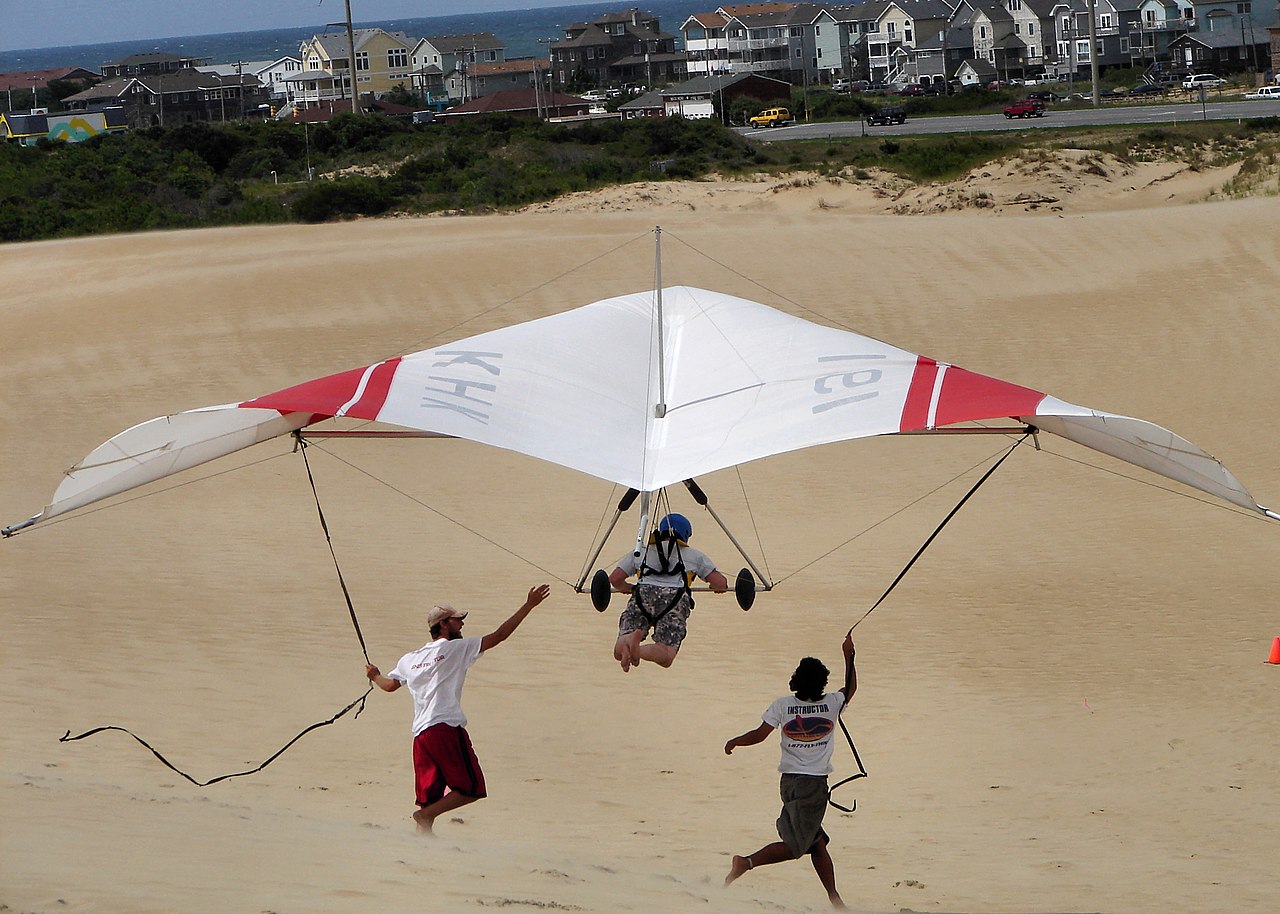
Hang gliding is an air sport in which a pilot flies a lightweight, unpowered aircraft called a hang glider. The pilot is suspended in a harness beneath a wing and controls the aircraft primarily by shifting body weight relative to the frame. Flights range from short recreational slopes to long cross‑country flights that use thermals, ridge lift and other rising air. For general information and organizations, see sport resources.
Image gallery
10 Images





Equipment and design
Modern hang gliders are built with aluminum or composite frames and synthetic sailcloth. Designs vary from traditional flexible wings to more recent rigid or semi‑rigid wings; each offers different handling and performance. Common items include a triangular control frame, a harness, and attachments for safety equipment.
- Wing: fabric or composite surface providing lift.
- Control frame: the base for weight‑shift steering.
- Harness and fittings: connect pilot to glider and affect comfort and control.
- Instruments and safety gear: variometer, altimeter or GPS, helmet and reserve parachute.
History and development
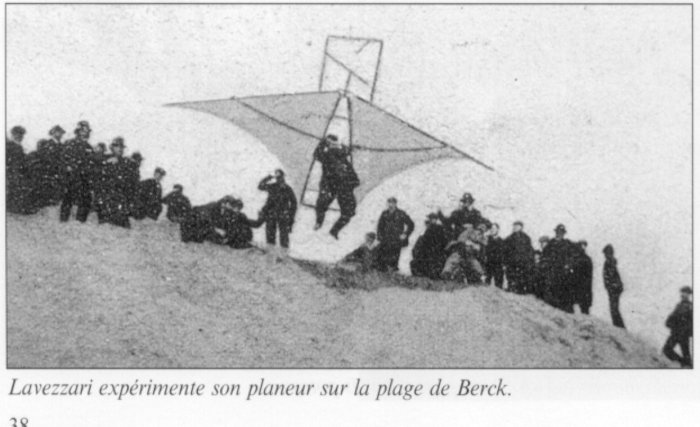
Practical gliding experiments in the 19th and early 20th centuries laid the groundwork for hang gliding; pioneers such as Otto Lilienthal influenced later designs, and mid‑20th century developments including the Rogallo flexible wing helped popularize foot‑launched flight. The sport expanded in the 1960s and 1970s with organized clubs, training systems and improvements in materials.
Flight techniques and safety
Pilots learn to read weather, locate and centre thermals, and use ridge lift to stay aloft. Launch methods include foot launch from slopes, aero‑towing behind a powered aircraft and ground tow; landing requires planning and familiarity with local sites. Training emphasizes meteorology, preflight checks, emergency procedures and conservative decision making; for formal programs and safety guidance consult training and safety.
Launch, landing and operations
Safe operations include site assessment, briefing, equipment inspection and clear communications. Good launch and landing technique reduces risk: pilots practise inflating and controlling the wing on the ground, aligning into wind, and selecting landing patterns and fields. Many areas have published site rules and local procedures.
Community, competition and regulation
The hang gliding community includes clubs, schools and competitive events that promote skill development and safety. Cross‑country and aerobatic competitions are held internationally, governed by national and international flying associations. Pilots must observe airspace rules and local regulations; the activity is often praised for its low environmental impact and direct, unpowered flying experience. For historical overviews and reference material see background sources and for clubs and events consult community links.
Related articles
Author
AlegsaOnline.com Hang gliding: unpowered flight by foot‑launched, weight‑shift aircraft Leandro Alegsa
URL: https://en.alegsaonline.com/art/42197