
Halabja: city, tragedy and memorial in Iraqi Kurdistan
Halabja is a Kurdish city in Iraqi Kurdistan and the capital of Halabja Governorate. It is known for the 1988 chemical attack, ongoing reconstruction, a memorial complex and its role in regional memory and culture.
Halabja (Kurdish: Helebce, هەڵەبجە) is a city in Iraqi Kurdistan and serves as the administrative centre of Halabja Governorate. It lies near the Iran border on the eastern edge of the Zagros foothills, roughly 240 kilometres northeast of Baghdad. The town is predominantly Kurdish and functions as a local market, service hub and cultural focal point for surrounding rural communities.
Image gallery
1 Image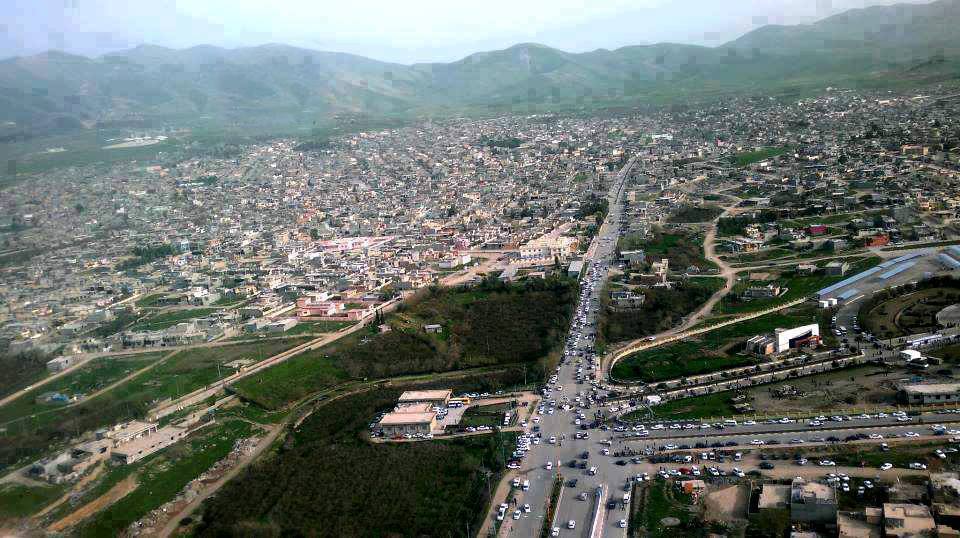
Geography and administration
Halabja occupies a mountainous, semi-arid landscape with agricultural activity concentrated in river valleys and irrigated plots. The city provides municipal services, health clinics and schools for the governorate. The administrative status of the area was elevated in the 2010s to strengthen local governance and development; local authorities manage reconstruction programmes, basic infrastructure and cross-border trade links.
1988 chemical attack and aftermath
Halabja is internationally known for the chemical weapons attack of March 1988, carried out during the closing stages of the Iran–Iraq War. Chemical agents were used against the town’s civilian population, causing very large numbers of deaths and injuries and creating long-term medical, psychological and environmental consequences for survivors and the surrounding area. The attack prompted international condemnation, led to investigations and deepened global awareness of the humanitarian impact of chemical weapons.
Health, environment and justice
The consequences included acute fatalities as well as chronic illness, birth defects and mental health needs that continue to require medical and social support. Environmental contamination of some sites has been reported and remains a concern for remediation efforts. The event has been the subject of human rights documentation and legal and policy discussions about accountability, war crimes and the prohibition of chemical weapons.
Memorial, culture and reconstruction
A memorial complex and museum near the attack site preserves testimony, photographs and material evidence, and annual commemorations draw families, local officials and international visitors. Reconstruction and development programmes have aimed to rebuild housing and services while addressing long-term health care and social welfare. Cultural activities and educational initiatives in the city emphasise remembrance alongside everyday civic life.
Economy and significance
The local economy combines agriculture, small-scale manufacturing, public services and cross-border commerce; relief and reconstruction work, plus memorial-related visits, have also contributed to employment. Halabja remains a powerful symbol of suffering and resilience for many Kurds and others affected by the conflict. For administrative and geographic details consult regional municipal sources and guides to city and governorate information or broader introductions to Iraqi Kurdistan. Basic maps and travel references commonly state the town lies about 240 km from central Baghdad.
Related articles
Author
AlegsaOnline.com Halabja: city, tragedy and memorial in Iraqi Kurdistan Leandro Alegsa
URL: https://en.alegsaonline.com/art/41846
Sources
- cabinet.gov.krd : "The Kurdistan Region in brief"
- milletpress.com : milletpress.com
- rudaw.net : "Remembering Victims of Genocide: The Chemical Attack on Halabja 1988"
- news.bbc.co.uk : "1988: Thousands die in Halabja gas attack"
- news.bbc.co.uk : "Iraqi Kurds recall chemical attack"
- hrw.org : "Whatever Happened To The Iraqi Kurds?"
- bt.cdc.gov : "Facts About Cyanide"
- news.bbc.co.uk : "Iraq events – Chemical warfare"
- theguardian.com : "The Kurdish victims caught unaware by cyanide"
- aknews.com : AK News, 1 March 2010 · web.archive.org