
Halbur, Iowa
Halbur is a small city in Iowa, United States, characterized by its rural setting, agricultural surroundings, and community institutions typical of Midwestern small towns.
Halbur is a small city in Iowa located in the central United States region, part of the broader landscape of rural Midwestern communities. Like many towns of its size, Halbur functions as a local center for nearby farms and residences, offering basic services, community institutions, and a quiet residential character.
Image gallery
3 Images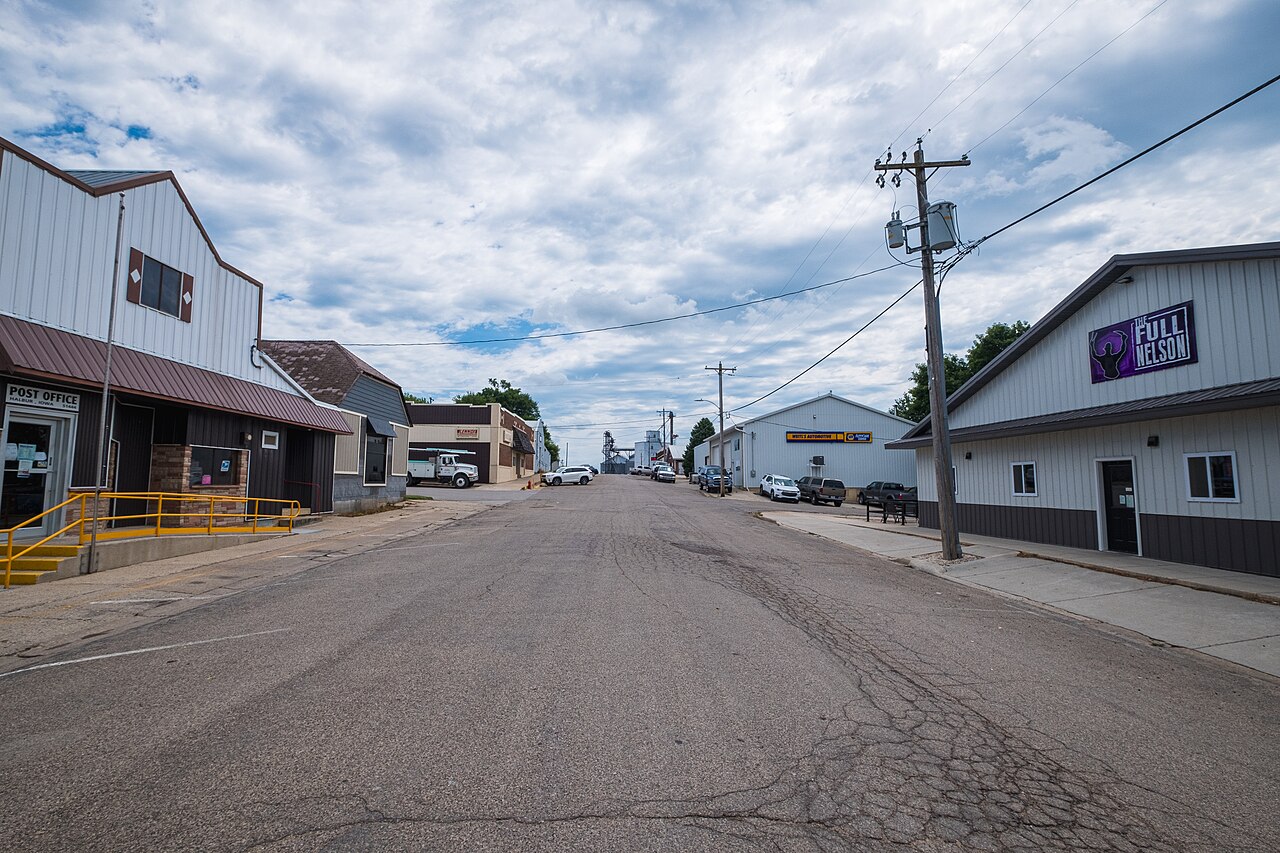


Overview
The city serves a primarily rural population and is surrounded by agricultural land. Residential areas mix with agricultural infrastructure such as barns and grain storage. Public amenities typically include a post office, local businesses, places of worship, and recreational space used by residents and families.
Characteristics and infrastructure
Small cities like Halbur often have a compact downtown or main street with a handful of shops and services, and a residential grid of single-family homes. Transportation connections are generally by county roads and state highways, and the nearest larger towns provide expanded services, healthcare, and retail. Public utilities, volunteer emergency services, and community organizations play an important role in daily life.
History and development
Halbur’s origins reflect patterns common across the Midwest: settlement linked to agriculture and local commerce. Many such towns grew up alongside rail lines or crossroads in the late 19th and early 20th centuries, providing a trade and service base for surrounding farms. Over time, changes in agriculture, transportation, and economy have shaped local growth and population.
Economy, community and culture
The local economy is historically and presently tied to farming and related services — crop production, equipment, storage, and transportation. Community life centers on schools, churches, volunteer organizations, annual events, and sports that bind residents together. Small‑town festivals, parish activities, and high school athletics are common focal points.
Notable facts and distinctions
- Halbur exemplifies the small rural municipalities that form the social and economic fabric of the American Midwest.
- Local identity often emphasizes neighborliness, self-reliance, and traditions tied to the agricultural calendar.
- For official records, maps, and administrative details, consult state and federal resources about cities and towns in the United States via this link: more information.
Related articles
Author
AlegsaOnline.com Halbur, Iowa Leandro Alegsa
URL: https://en.alegsaonline.com/art/41853