
Habkern — Swiss mountain municipality in the canton of Bern
Habkern is a small German‑speaking municipality in the Interlaken‑Oberhasli district of the canton of Bern, Switzerland, known for alpine pastures, forested slopes and outdoor recreation.
Overview
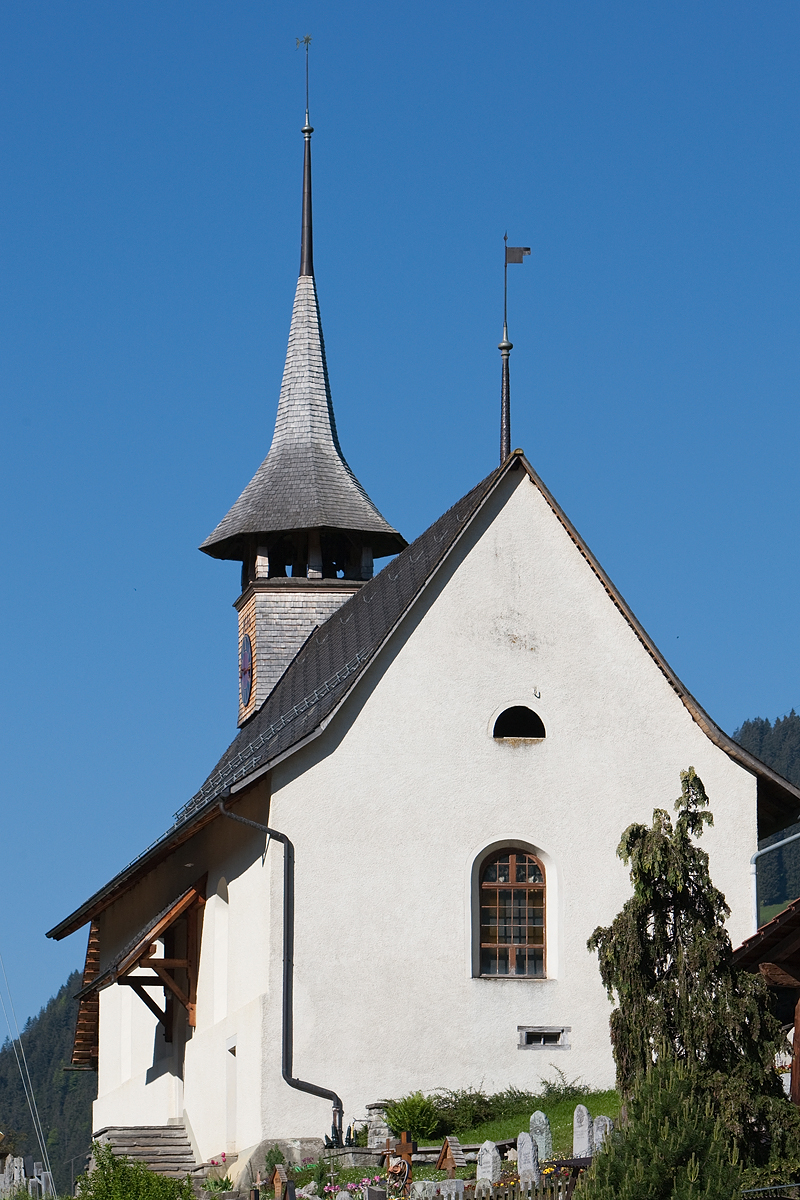
Habkern is a rural municipality in the administrative district Interlaken‑Oberhasli of the canton of Bern in Switzerland. It belongs to the Bernese Oberland region and is typically described as a small mountain community with a dispersed settlement pattern. The local language is Swiss German and the settlement combines residential hamlets with farming land and woodland.
Image gallery
8 Images


Geography and environment
Habkern lies on slopes and plateaus above the valley bottoms of the Interlaken area. The landscape includes alpine meadows, forests and rocky outcrops, and it provides vantage points toward nearby lakes and high peaks of the Bernese Alps. The area is valued for its scenic views, quiet trails and relatively low levels of development compared with tourist centers.
History and development
Like many communities in the Bernese Oberland, Habkern developed around mountain agriculture and local forestry. Its history reflects traditional alpine land use: seasonal pasturing, haymaking and smallholdings. Over time, improved roads and modern services connected the municipality more closely to larger towns while preserving much of its rural character.
Economy and local life
The local economy is a mix of agriculture, forestry and small‑scale tourism. Farms maintain pastures and hayfields; guest accommodations and hiking routes attract visitors in summer, and the area appeals to people seeking nature, walking paths and panoramic viewpoints. Residents commonly travel to nearby towns for additional employment, education and services.
Activities and points of interest
- Outdoor recreation: hiking, nature observation and winter walking on prepared routes.
- Rural culture: alpine pastures, local architecture and seasonal farming practices.
- Scenic viewpoints that offer views of the surrounding Bernese Alps and lake basins.
Administration and notable facts
As a Swiss municipality, Habkern is governed by a local council responsible for community services, planning and local schools. Its small scale and mountain setting make it an example of a Swiss alpine community that balances traditional land use with modest tourism and modern connectivity.
Related articles
Author
AlegsaOnline.com Habkern — Swiss mountain municipality in the canton of Bern Leandro Alegsa
URL: https://en.alegsaonline.com/art/41681
Sources
- bfs.admin.ch : "Arealstatistik Standard - Gemeinden nach 4 Hauptbereichen"
- bfs.admin.ch : "Ständige Wohnbevölkerung nach Staatsangehörigkeitskategorie Geschlecht und Gemeinde; Provisorische Jahresergebnisse; 2018"