
Gwar: Satirical Shock-Rock Band Known for Monster Costumes and Theatrics
Gwar is a U.S. satirical thrash-punk band formed in 1984, famous for grotesque monster costumes, violent theatrical shows, dark political satire, and a lasting influence on shock rock and metal performance.
Overview
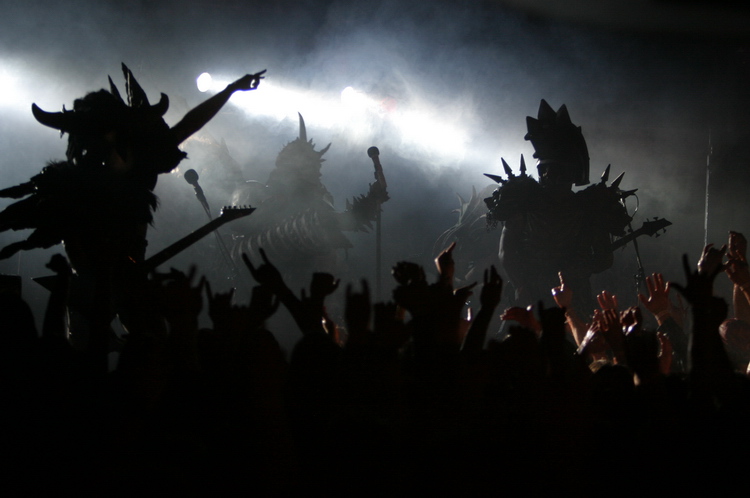
Gwar (often stylized GWAR) is an American satirical rock collective that emerged in Richmond, Virginia, in 1984. Combining elements of thrash metal and punk, the group built a fictional mythology in which its members portray grotesque extraterrestrial warriors. Their work blends aggressive music with dark comedy, social commentary and deliberately provocative stagecraft. For a concise profile see band background.
Image gallery
7 Images




Characteristics
Gwar's performances are notable for a few consistent features that distinguish them from conventional rock acts:
- Elaborate, hand-crafted monster costumes and armor that transform musicians into characters.
- Broadly theatrical stage shows featuring simulated violence, props, and copious fake blood designed to shock and amuse.
- Lyrics and skits that mix profanity, satire and political or cultural lampooning.
- A theatrical continuity: members adopt permanent stage personas and backstories.
- Multimedia output beyond music, including videos, comics and film projects tied to the band's mythos; see material about their costumes at costume and prop art.
These elements serve both as entertainment and as a vehicle for parodying authority, media and political targets. Audiences are drawn by the spectacle as much as by the music.
History and development
Gwar grew out of an underground art and performance scene in the 1980s. Early lineups experimented with punk and hardcore before expanding into heavier metal styles and more elaborate stage design. Over decades the band released numerous albums, toured internationally, and underwent lineup changes. Their longtime frontman, Dave Brockie (stage name Oderus Urungus), was a central creative force until his death in 2014; the project has continued with new members preserving the theatrical continuity.
Performances, reception and legacy
Live Gwar shows are intentionally confrontational: routines often include scripted mock executions, political parody and sprayed stage fluids. Reactions range from devoted fandom to controversy and venue restrictions; the band has been defended as performance art by supporters and criticized by detractors who find the acts offensive. Despite mixed critical responses, Gwar has achieved mainstream recognition and industry attention, including a noted industry award nomination reported in some sources for their work recording and live performance.
Gwar's influence is visible in the continued popularity of theatrical metal and shock-rock; they remain a reference point for bands that fuse music with elaborate visual storytelling. For more on their cultural impact and fan activities see archived and fan-curated materials at band background and media retrospectives at genre histories and punk scene.
Questions and answers
Q: When was Gwar formed and what is their music style?
A: Gwar was formed in 1984, and their music style can be described as satirical thrash metal/punk.
Q: What is Gwar best known for?
A: Gwar is best known for their very strange monster costumes and their use of vulgar language in their songs.
Q: What kind of stage performances does Gwar deliver?
A: Gwar delivers obscene stage performances that involve violence, slaughter, profanity and obscene comments about politics.
Q: What is the purpose of Gwar's stage performances?
A: The purpose of Gwar's stage performances is meant to scare, frighten, shock and amuse people.
Q: Has Gwar won any awards?
A: Yes, Gwar has won a Grammy Award.
Q: What makes Gwar's performances different from other bands?
A: Gwar's performances are different from other bands because of their use of monster costumes and their shocking and obscene stage performances.
Q: What impact has Gwar had on the music scene?
A: Gwar has had a significant impact on the music scene due to their unique and controversial approach, which has attracted a loyal fanbase.
Related articles
Author
AlegsaOnline.com Gwar: Satirical Shock-Rock Band Known for Monster Costumes and Theatrics Leandro Alegsa
URL: https://en.alegsaonline.com/art/41581
Sources
- allmusic.com : GWAR at Allmusic