
Gwangju (South Korea)
Gwangju is a major city in southwest South Korea, a cultural and economic center of the Honam region, known for contemporary art, higher education, industry, and its role in the country's modern democratization.
Overview
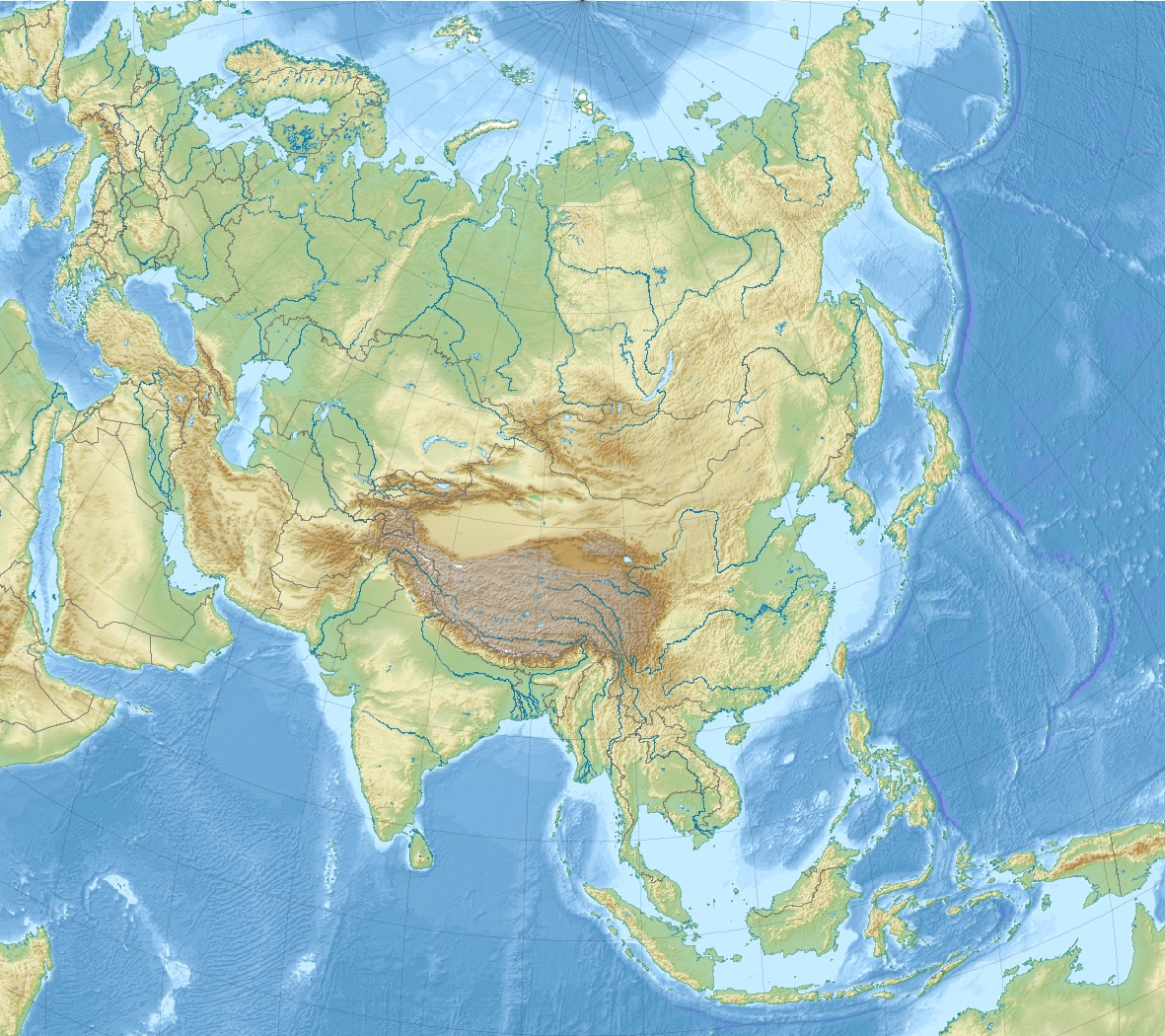
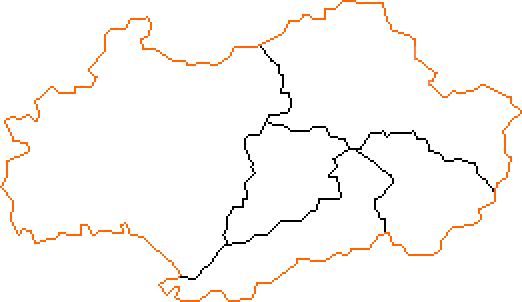
Gwangju is a metropolitan city in the southwest of the Korean Peninsula and is widely regarded as the principal urban hub of the Honam region. It is one of South Korea's largest cities and functions as a center for administration, commerce, education and culture in the surrounding agricultural provinces. For general information see Gwangju.
Image gallery
10 Images

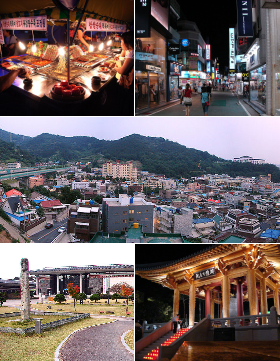


Geography and urban character
The city sits inland from the southern coast and is framed by hills and national parkland, with Mudeungsan mountain a prominent natural landmark nearby. Urban Gwangju combines dense commercial districts, residential neighborhoods and green public spaces. It serves as a transportation and logistics node for the surrounding rice- and vegetable-producing plains.
History and civic importance
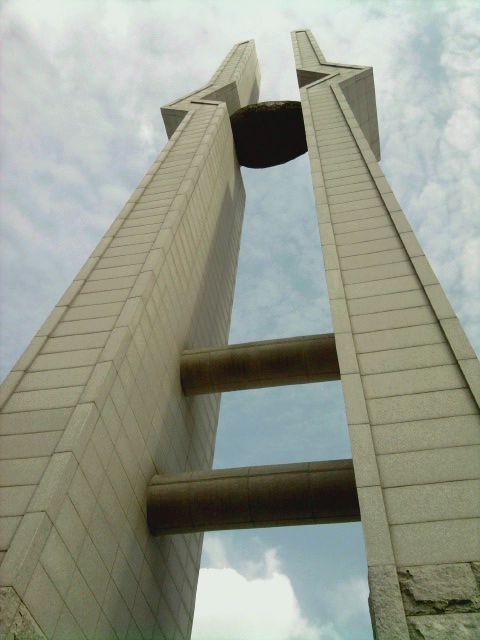
Historically an administrative and market center for the Honam area, Gwangju expanded rapidly in the twentieth century with industrialization and improved transport links. It is internationally known for the pro-democracy demonstrations of May 1980, often called the Gwangju Uprising, which became a defining episode in South Korea's transition to democracy and remains central to the city's civic identity.
Culture, education and the arts
Gwangju has a vibrant cultural life and hosts major contemporary art events that attract international attention. The city supports several universities and research institutions, contributing to a cluster of education and technology activities. Galleries, museums and public art projects coexist with traditional markets and a lively local food scene.
Economy and role
The local economy blends manufacturing, including automotive and machinery supply chains, with services, education and cultural industries. Gwangju functions as a regional center for finance, healthcare and higher education, providing services to the wider Honam population.
Notable distinctions
Gwangju is often highlighted both for its contributions to contemporary art in East Asia and for its symbolic role in South Korea's modern political history. Visitors encounter a mix of modern civic institutions, memorials related to the city's democratic movement, and natural areas that offer hiking and outdoor recreation.
Related articles
Author
AlegsaOnline.com Gwangju (South Korea) Leandro Alegsa
URL: https://en.alegsaonline.com/art/41580