
Gurugram (Gurgaon) — Indian satellite city and corporate hub
Gurugram, formerly Gurgaon, is a major satellite city in Haryana near Delhi. It is a fast-growing corporate and residential centre in the National Capital Region, known for IT, finance, modern infrastructure and urban challenges.
Overview
Gurugram (commonly still called Gurgaon) is a prominent city in the northern Indian state of Haryana, located near the border with Delhi. Situated roughly 30 kilometres southwest of New Delhi and several hundred kilometres from the state capital Chandigarh, it forms part of the National Capital Region (NCR). The city experienced rapid growth from the 1990s onward and had a population of about 876,900 at the 2011 census, with a much larger daily commuter population.
Image gallery
10 Images


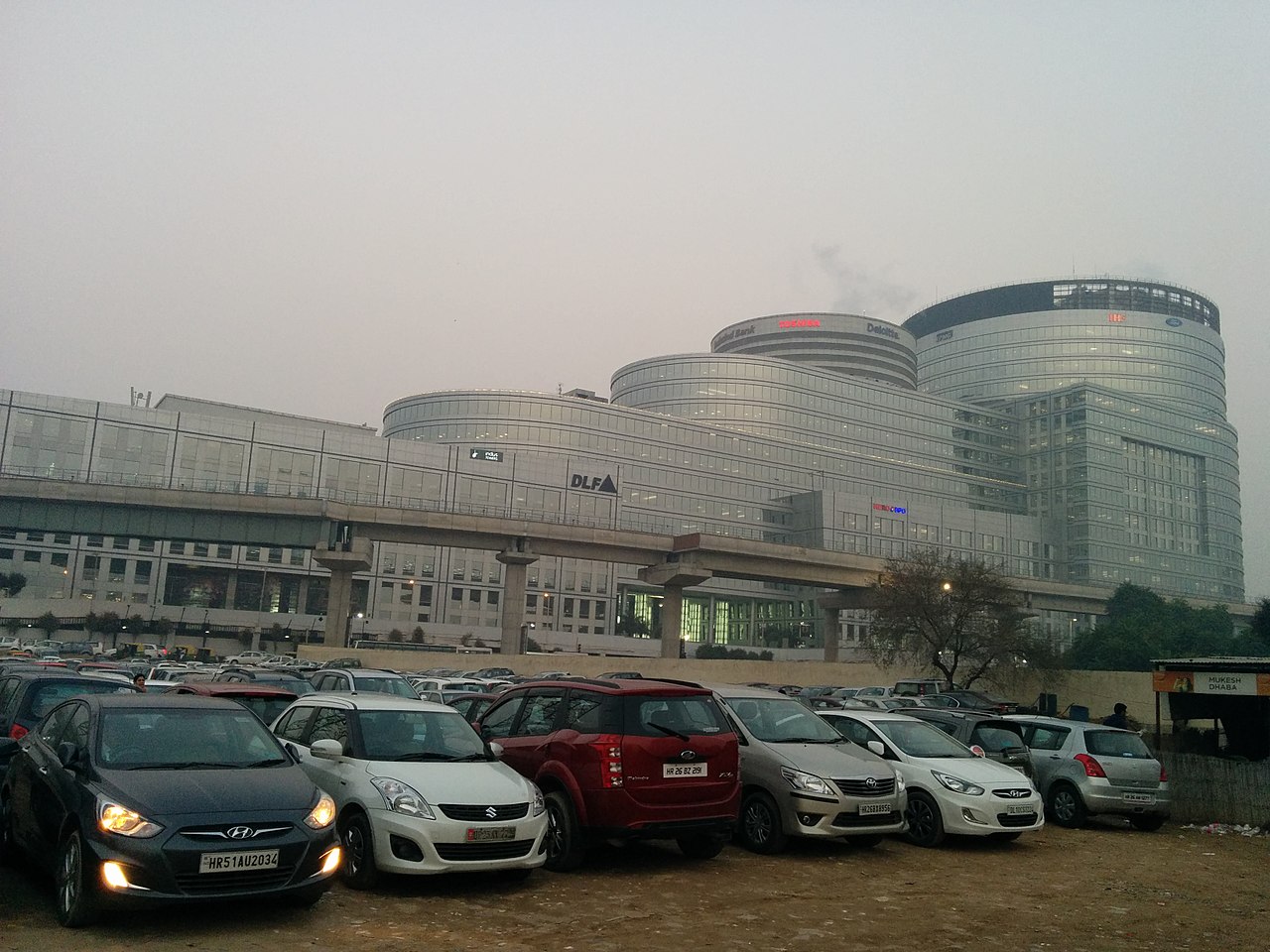


Characteristics and urban form
Gurugram combines high-rise corporate campuses, gated residential developments and older village settlements that have been absorbed by urban expansion. Modern business districts, large shopping malls, and technology parks coexist with industrial estates and informal markets. Transport connections include major highways linking to Delhi and other states, as well as metro and local rapid transit services that serve commuters.
History and development
Historically an agricultural and market area, Gurugram transformed after India’s economic liberalization as companies sought space near the capital. The city’s name change from Gurgaon to Gurugram reflects a revived emphasis on local history and identity; in recent decades investment in offices, real estate and services reshaped the skyline and economy.
Economy, infrastructure and examples
The local economy is driven by information technology, business process outsourcing, finance, real estate and related services. Many multinational and domestic firms maintain offices in the city’s corporate parks. Infrastructure highlights include expressways connecting to Delhi and other regions, extensions of the city metro, and numerous commercial complexes. Typical features include:
- Corporate and IT parks hosting service-sector employers
- Large retail centres and entertainment complexes
- Residential townships and rapid real estate development
Challenges and governance
Rapid growth has brought persistent challenges: traffic congestion, water supply stresses, air quality concerns and uneven municipal services. Local governance involves municipal and state bodies responsible for planning, utilities and development. Urban planners and authorities continue to work on public transport, drainage, and long-term zoning to manage further expansion.
Notable facts and distinctions
Gurugram is widely recognized as one of India’s major corporate and suburban centres within the NCR. Its mix of new-economy offices and fast-developing residential districts makes it a key case study in contemporary urbanization and the consequences of rapid economic change in a metropolitan hinterland.
Related articles
Author
AlegsaOnline.com Gurugram (Gurgaon) — Indian satellite city and corporate hub Leandro Alegsa
URL: https://en.alegsaonline.com/art/41477
Sources
- makemytrip.com : makemytrip.com/routeplanner/gurgaon-new-delhi.html
- thecityfix.com : "How a Small Experiment in Delhi's Suburbs Sparked a National Car-Free Movement —"