
Hand washing: purpose, technique, history and public-health importance
Hand washing is the routine of cleaning hands with water and soap or sanitizer to remove dirt, germs and toxins. This article explains methods, when and why to wash, historical context, and common misconceptions.
Overview
Hand washing is the act of cleaning the hands using water and a cleansing agent to remove visible dirt, infectious microbes and harmful chemicals. Typical cleansing agents include plain soap, detergent-based soap, or alcohol-based hand rubs; directions and product information are available from official guidance such as soap and cleansing recommendations and local water-supply guidance at water safety sources. The general aim is to reduce the number of bacteria, viruses and other organisms that can cause disease, as described in summaries about germs and infection control.
Image gallery
10 Images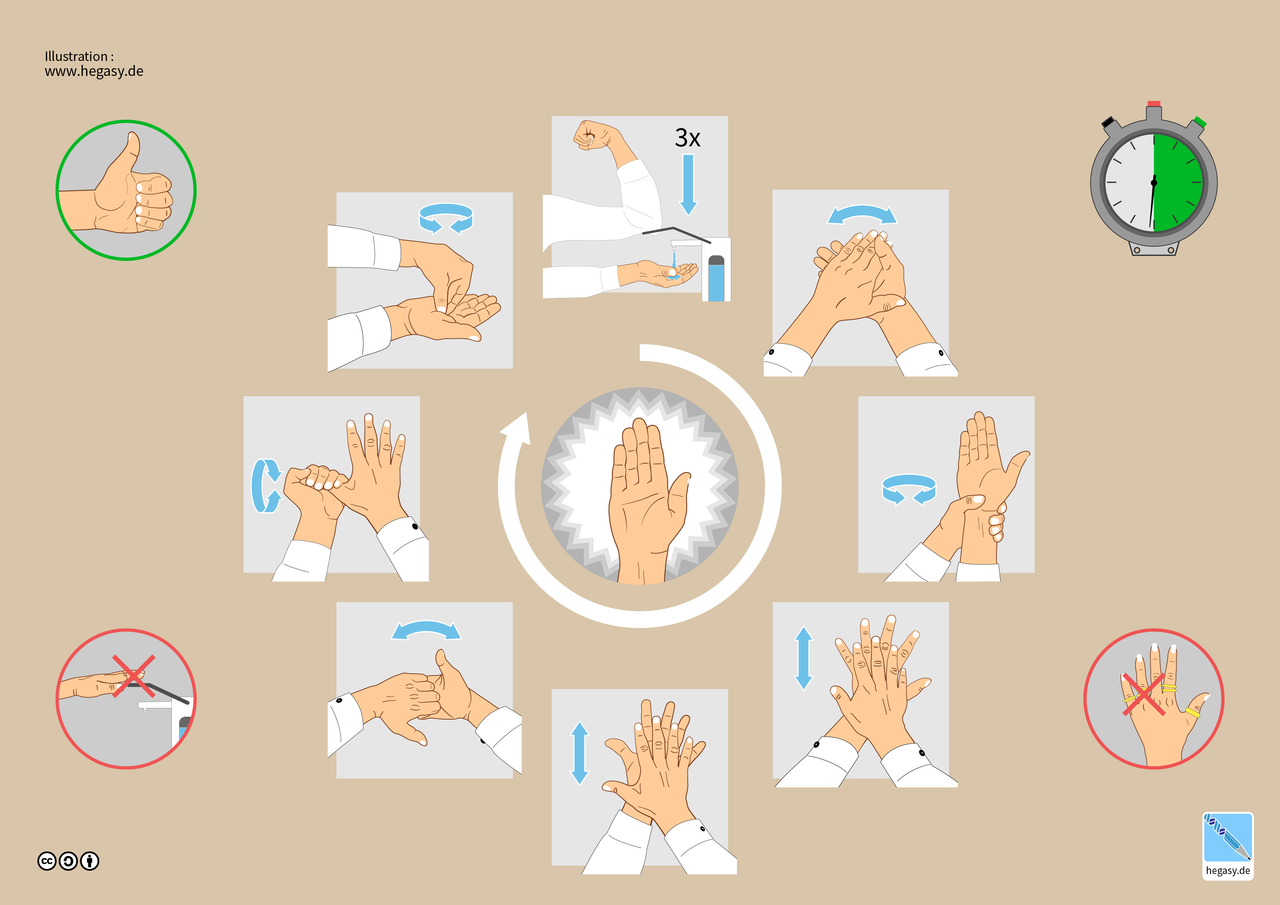



Technique and key steps
Effective hand washing combines time, friction and rinsing. A common stepwise routine is:
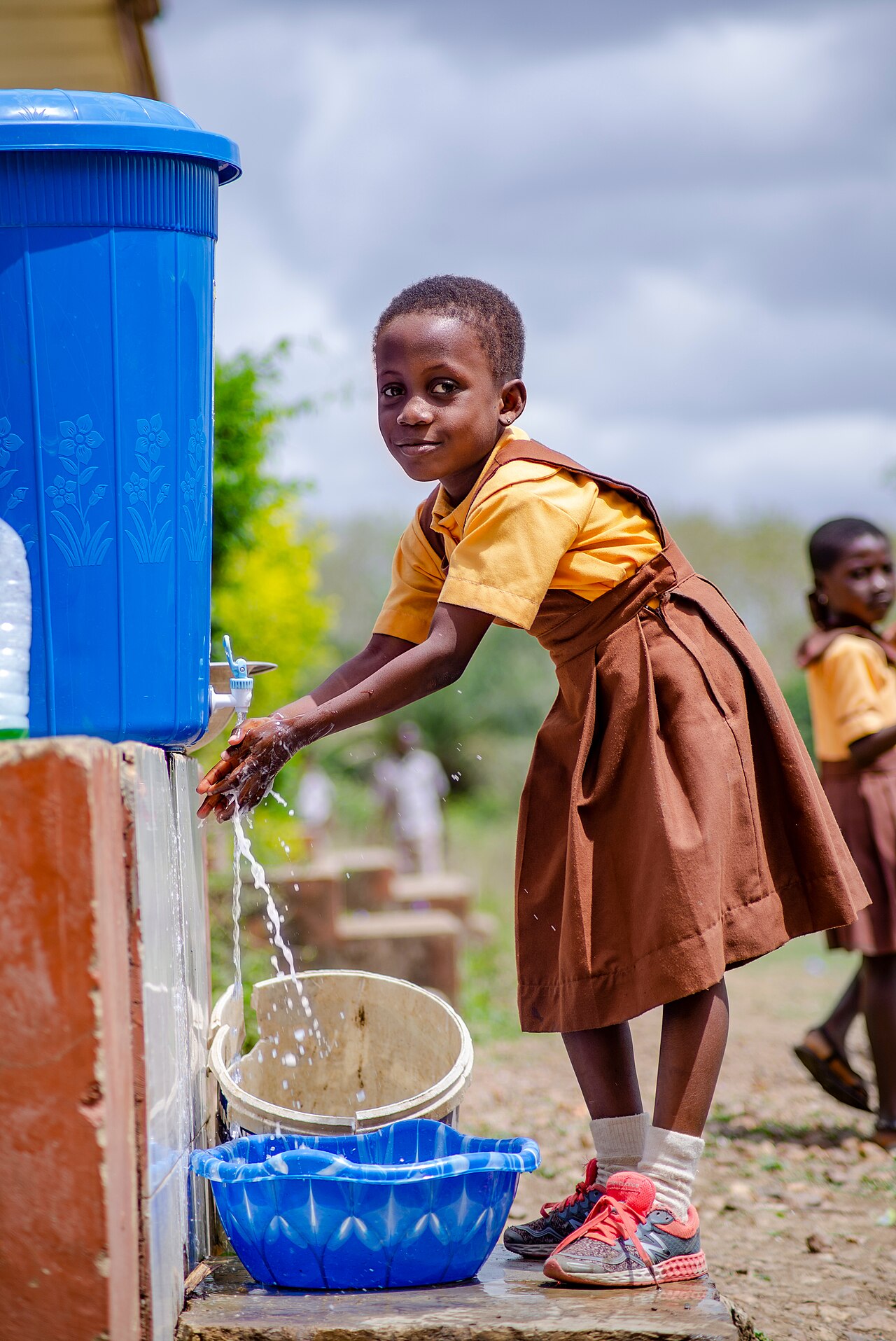
- Wet hands with clean running water (water), apply soap (soap) or hand rub.
- Rub all surfaces—backs of hands, between fingers, under nails—typically for at least 20 seconds.
- Rinse thoroughly and dry on a clean towel or air dryer.
Alcohol-based hand rubs are an accepted alternative when hands are not visibly soiled; they are effective against many pathogens but not all chemical contaminants or some spores. For information on hazards, consult material safety guidance about poisons and chemicals.
When and why to wash
Hand washing is recommended before preparing or eating food, after using the toilet, after coughing, sneezing or caring for someone who is ill, and after touching surfaces in public places. Regular hand hygiene reduces transmission of respiratory and gastrointestinal illnesses and lowers the chance of contaminating food or wounds—outcomes discussed in reviews of disease prevention.
Germs and scientific context
Microorganisms commonly associated with handborne transmission include bacteria, viruses and fungi. General resources explain categories such as bacteria, viruses and fungi, and how they differ in structure and susceptibility to soaps, disinfectants and antibiotics. Overuse of antibiotics does not eliminate the need for good hygiene, since many infections spread by touch and some pathogens are resistant to drugs.
History and public-health impact
Awareness of hand hygiene as a medical and public-health measure developed over the 19th and 20th centuries and became central during infectious-disease outbreaks. Modern campaigns emphasize accessible techniques that individuals and institutions can adopt to lower infection rates and protect vulnerable populations.
Common misconceptions and notable facts
Washing hands for a short splash is usually insufficient; thorough rubbing and drying matter. Antibacterial soaps are not always superior to ordinary soap for most everyday uses and can contribute to environmental concerns and antibacterial resistance if misused. Hand washing remains one of the simplest, most effective ways to prevent many common illnesses when paired with other good hygiene practices.
Questions and answers
Q: What is hand washing?
A: Hand washing is the process of cleaning hands with water and soap or other special liquids.
Q: Why is hand washing important?
A: Hand washing is important because it helps take off dirt, germs, and poisons that cause diseases and other health problems.
Q: What are germs?
A: Germs are bacteria, viruses, or fungi that can cause diseases.
Q: How does hand washing prevent new diseases?
A: Hand washing prevents new diseases by removing germs and poisons from hands that can cause illness.
Q: What are the risks of not washing hands before cooking or touching food?
A: Not washing hands before cooking or touching food is risky because it can lead to the spread of germs and cause foodborne illnesses.
Q: Can all diseases be stopped with antibiotic drugs?
A: No, some diseases are not stopped by antibiotic drugs.
Q: What does hand washing specifically prevent?
A: Hand washing specifically prevents the spread of germs and poisons that can cause diseases and other health problems.
Related articles
Author
AlegsaOnline.com Hand washing: purpose, technique, history and public-health importance Leandro Alegsa
URL: https://en.alegsaonline.com/art/42170