
Gulliver's Travels
Jonathan Swift's 1726 satirical novel about Lemuel Gulliver's voyages. It critiques politics, science and human nature across four fantastic voyages, and has inspired adaptations and scholarly debate.
Gulliver's Travels is a satirical novel first published in 1726 by Jonathan Swift. Written as a travel narrative, it follows the voyages of Lemuel Gulliver and uses imaginary lands and peoples to examine human behavior, politics, reason and the limits of knowledge. Swift's voice blends irony, moral outrage and comic description to make serious points about society while entertaining a wide readership. For basic author information see Jonathan Swift and for discussion of the work's satirical aims consult general resources on satire.
Image gallery
10 Images


Structure and principal voyages
The book is divided into four main voyages, each a self-contained episode that also contributes to the whole. The best known are:
- Lilliput: Gulliver encounters a nation of people a few inches tall; their petty politics and court intrigues parody contemporary British life and diplomacy.
- Brobdingnag: A land of giants where Gulliver’s smallness forces him into a humbling and revealing position, reversing the earlier perspective.
- Laputa and related islands: Satire of abstracted science, theoretical knowledge and the disconnect between intellect and practical life.
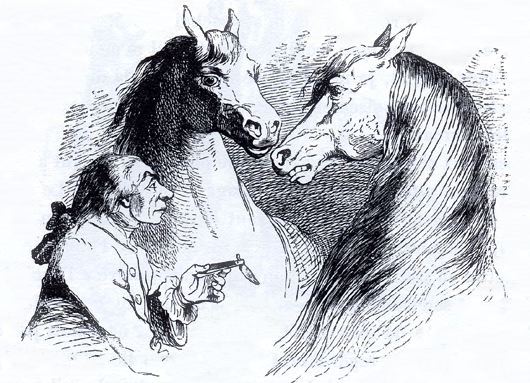
- The land of the Houyhnhnms: A society of rational horses contrasted with the degraded, quarrelsome humans called Yahoos, pushing Swift’s exploration of reason, virtue and misanthropy to a striking conclusion.
Themes and style
Swift combines travel‑writing conventions with fantasy and moral satire. Major themes include the folly of pride, the corruption of political institutions, the abuses of learning when detached from ethics, and competing definitions of reason and humanity. Swift’s irony can be severe; readers and critics debate whether the concluding vision is reformist, cynical, or deliberately provocative. For reflections on the book’s treatment of human nature see human nature.
History, reception and influence
On publication the book quickly became popular across social classes, praised and debated by contemporaries for its wit and moral force. It has been translated, adapted for stage and screen, and frequently abridged for younger readers. Scholarly attention has considered its historical targets, narrative voice and philosophical implications, making it a staple of literary study and cultural reference.
Notable facts and modern responses
The vivid physical contrasts in the story have led curious readers to play with measurements and hypothetical calculations of Gulliver’s size. Such exercises are modern amusements rather than scholarly claims: for example, a locally publicized estimate originating in Townsville cited a numerical height and was reported in Australia, but these figures are speculative and depend on arbitrary assumptions about map scales and narrative detail. The enduring importance of Gulliver’s Travels lies less in such curiosities and more in its capacity to provoke reflection on human society and reason.
Related articles
Author
AlegsaOnline.com Gulliver's Travels Leandro Alegsa
URL: https://en.alegsaonline.com/art/41395