
Guanacaste Province, Costa Rica
Northwestern Costa Rica province noted for its Pacific coastline, Nicoya Peninsula, seasonal dry forests, national parks, and the capital city of Liberia.
Overview
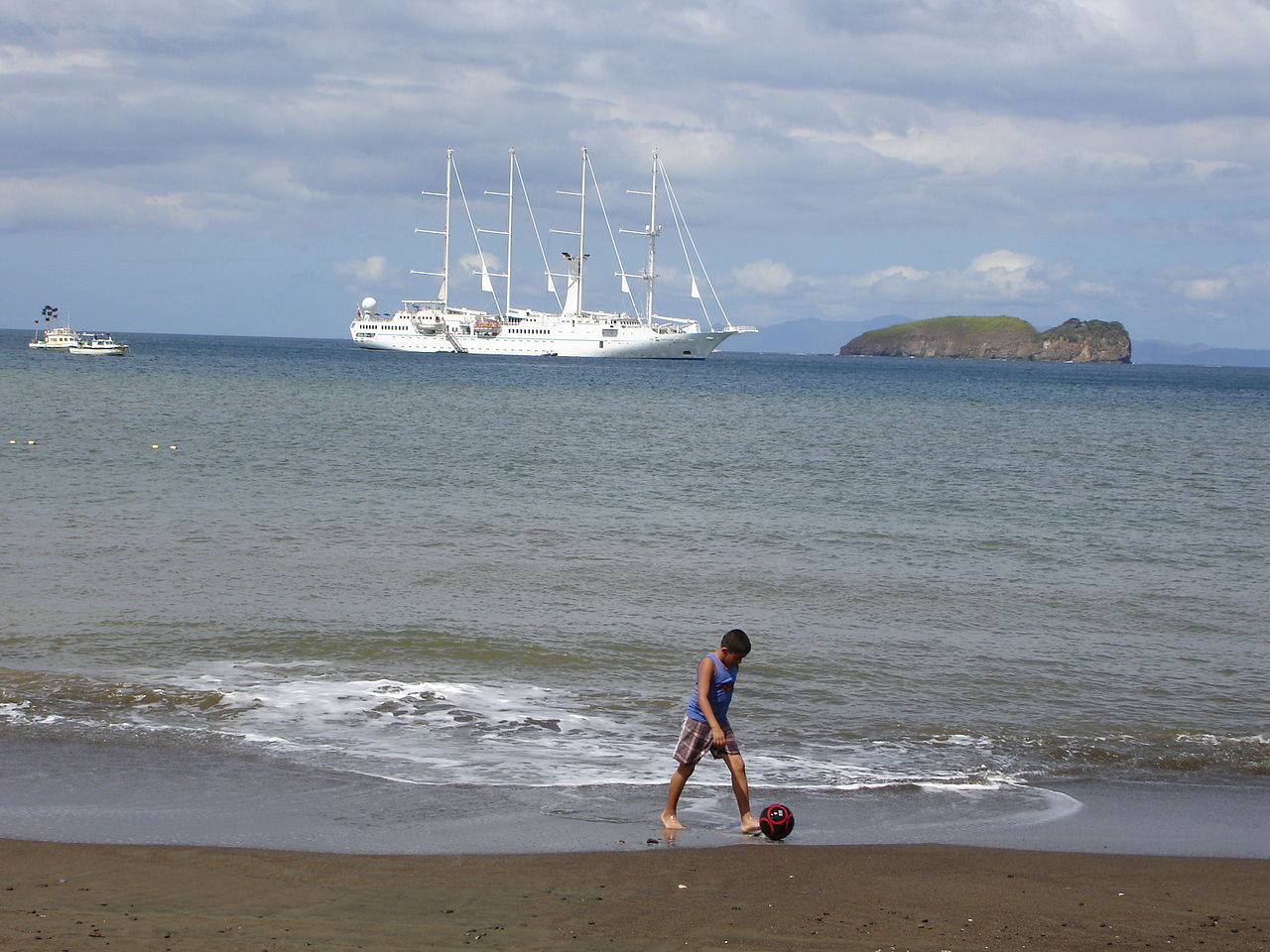
Guanacaste is a province in the northwestern part of Costa Rica, occupying extensive Pacific shoreline and the western portion of the Nicoya Peninsula. It borders Nicaragua to the north and is known for a warm, seasonally dry climate. The provincial capital is the city of Liberia, which serves as the region's main administrative and transportation hub.
Image gallery
9 Images


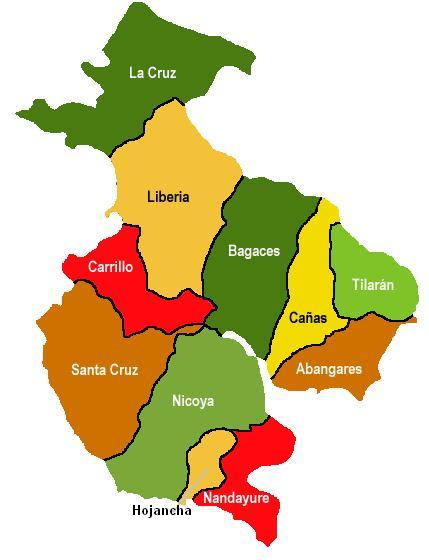

Geography and climate
The landscape combines long sandy beaches, coastal estuaries, plains and low hills. Much of the province is characterized by tropical dry forest that loses its leaves in the pronounced dry season, a contrast to Costa Rica's more humid interior. The province gives its name to the guanacaste tree (Enterolobium cyclocarpum), a widespread species that is also a national symbol.
History and cultural identity
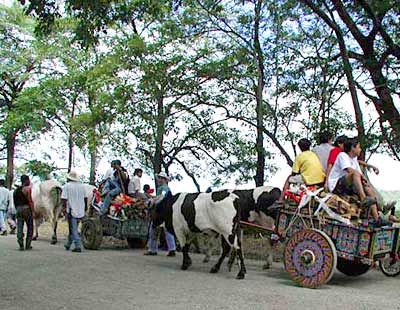
Before Spanish colonization the area was inhabited by indigenous peoples, including groups of the Chorotega cultural sphere. In the early 19th century the Nicoya region voted to join Costa Rica, an event remembered as part of the country’s nation-building. Guanacaste preserves strong rural traditions: cattle ranching, horseback festivals, folk music and the brightly painted ox cart are visible elements of local identity.
Economy and tourism
Agriculture and cattle ranching have long been important to the province's economy, but tourism is now a dominant sector. Visitors come for surf, sport fishing and beaches as well as for eco-lodges and wildlife viewing. Well-known beach areas and resort developments attract both domestic and international travelers. The province is served by Daniel Oduber Quirós International Airport in Liberia, which functions as a gateway for many visitors, and by regional services and roads that link coastal towns to inland communities. For official visitor information see provincial resources.
Biodiversity and protected areas
Guanacaste contains important conservation sites that protect dry forest and coastal habitats and support ecotourism and scientific research. Key protected areas include:
- Santa Rosa National Park, noted for its historical sites and dry forest ecosystems;
- The Area de Conservación Guanacaste (Guanacaste Conservation Area), a large complex of parks and reserves recognized for biodiversity and restoration efforts;
- Marine and coastal reserves that protect beaches, estuaries and nesting sites for sea turtles.
These reserves play a major role in conserving species adapted to seasonal dryness and in sustaining eco-tourism that supports local communities.
Notable facts
Guanacaste is one of Costa Rica’s larger provinces by land area and has a distinctive cultural and ecological profile within the country. Its mixture of ranching tradition, coastal tourism and conservation initiatives makes it a prominent region for visitors interested in beaches, wildlife and rural Costa Rican culture.
Related articles
Author
AlegsaOnline.com Guanacaste Province, Costa Rica Leandro Alegsa
URL: https://en.alegsaonline.com/art/41155
Sources
- inec.go.cr : "Anuario Estadístico 2012 - 2013"
- guiascostarica.com : "Provincia: Guanacaste"