
Guantánamo Bay — geography, history and contemporary significance
A sheltered bay at Cuba's southeastern tip, Guantánamo Bay is a deep natural harbor and the site of a long-standing U.S. naval base and controversial detention facility amid a disputed legal status.
Overview
Guantánamo Bay (Spanish: Bahía de Guantánamo) is a large, sheltered inlet on the southeastern coast of Cuba, set within Guantánamo province. The bay lies near 19°54′N 75°9′W and forms the island's largest natural harbor on the southern shore. Flanked by steep hills, the bay forms a distinct maritime enclave that is physically and administratively separate from much of its immediate hinterland. Its combination of deep water and protective topography has long given it strategic importance.
Image gallery
5 Images


Geography and physical characteristics
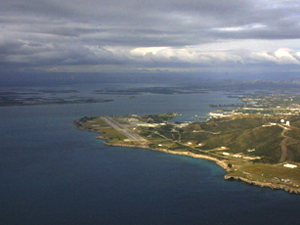
The bay opens to the Caribbean and comprises several coves and peninsulas that create calm anchorages. Its shoreline includes rocky headlands and narrower inlets that provide shelter for vessels. The surrounding land is generally dry and hilly, influencing local drainage and limiting overland access to some parts of the coast. The bay's value as a deep-water harbor is central to its historical and contemporary uses.
History and legal status
Following the Spanish–American War, the area became the site of a long-term agreement between the United States and Cuba. A U.S. naval station was established in the early 20th century, and the facility developed into a permanent base under lease arrangements that have been the subject of diplomatic dispute. The Cuban government has contested the legal and moral basis of the U.S. presence, while the United States maintains control of the naval station under standing agreements.
Uses and contemporary importance
The bay is best known internationally for the U.S. naval base often referred to simply as "Guantánamo". The base serves multiple functions: a naval anchorage, logistic hub, and—since the early 21st century—a detention facility for individuals captured in the context of counterterrorism operations. That detention component has attracted sustained public attention, legal challenges, and debate over human rights and international law.
Key features and notable facts
- Natural harbor with protected anchorages that have long served naval and commercial ships.
- Site of a long-standing foreign military presence established after the 1898–1902 period.
- Subject to ongoing diplomatic disagreement between the governments involved.
- Often cited in discussions about detainee treatment, jurisdiction, and the limits of wartime detention.
Further context
For concise geographic identification see maps and nautical guides. For administrative background and provincial context consult material about Guantánamo province. Discussions of the site as a separated territory use terms such as enclave in legal and political analyses. These resources provide additional perspectives on why the bay remains significant regionally and internationally.
Questions and answers
Q: What is Guantánamo Bay?
A: Guantánamo Bay is a bay located in Guantánamo province, Cuba.
Q: Where is Guantánamo Bay situated?
A: Guantánamo Bay is located at the southeastern end of Cuba, at 19°54′N 75°9′W.
Q: What is the size of Guantánamo Bay harbor?
A: Guantánamo Bay is the largest harbour on the south side of the island.
Q: What is the geographical feature surrounding Guantánamo Bay?
A: Guantánamo Bay is surrounded by steep hills that create an enclave and cut off the bay from its immediate hinterland.
Q: What is the significance of Guantánamo Bay?
A: Guantánamo Bay has become significant because of the presence of the United States Naval Base and the detention center for terrorist suspects.
Q: What is the history of Guantánamo Bay?
A: Guantánamo Bay was leased to the United States government in 1903 by the newly independent government of Cuba, and has been a site of conflict and controversy ever since.
Q: What is the population of Guantánamo Bay area?
A: There is no information on the population of the Guantánamo Bay area as it mostly consists of the United States Naval Base and surrounding facilities.
Related articles
Author
AlegsaOnline.com Guantánamo Bay — geography, history and contemporary significance Leandro Alegsa
URL: https://en.alegsaonline.com/art/41169
Sources
- untreaty.un.org : Vienna Convention on the Law of Treaties