
Greyhound racing: sport, mechanics, history and welfare issues
Overview of greyhound racing: how the sport works, track and lure mechanics, betting role, historical development, current status, and animal welfare controversies and reforms.
Greyhound racing is a track sport in which greyhounds compete by chasing a moving object around a circuit. Races are typically staged on oval tracks and the dogs pursue a mechanical device commonly called a mechanical lure. Organized events are closely linked to wagering — whether informal or regulated — so gambling is often an integral element of the activity.
Image gallery
6 Images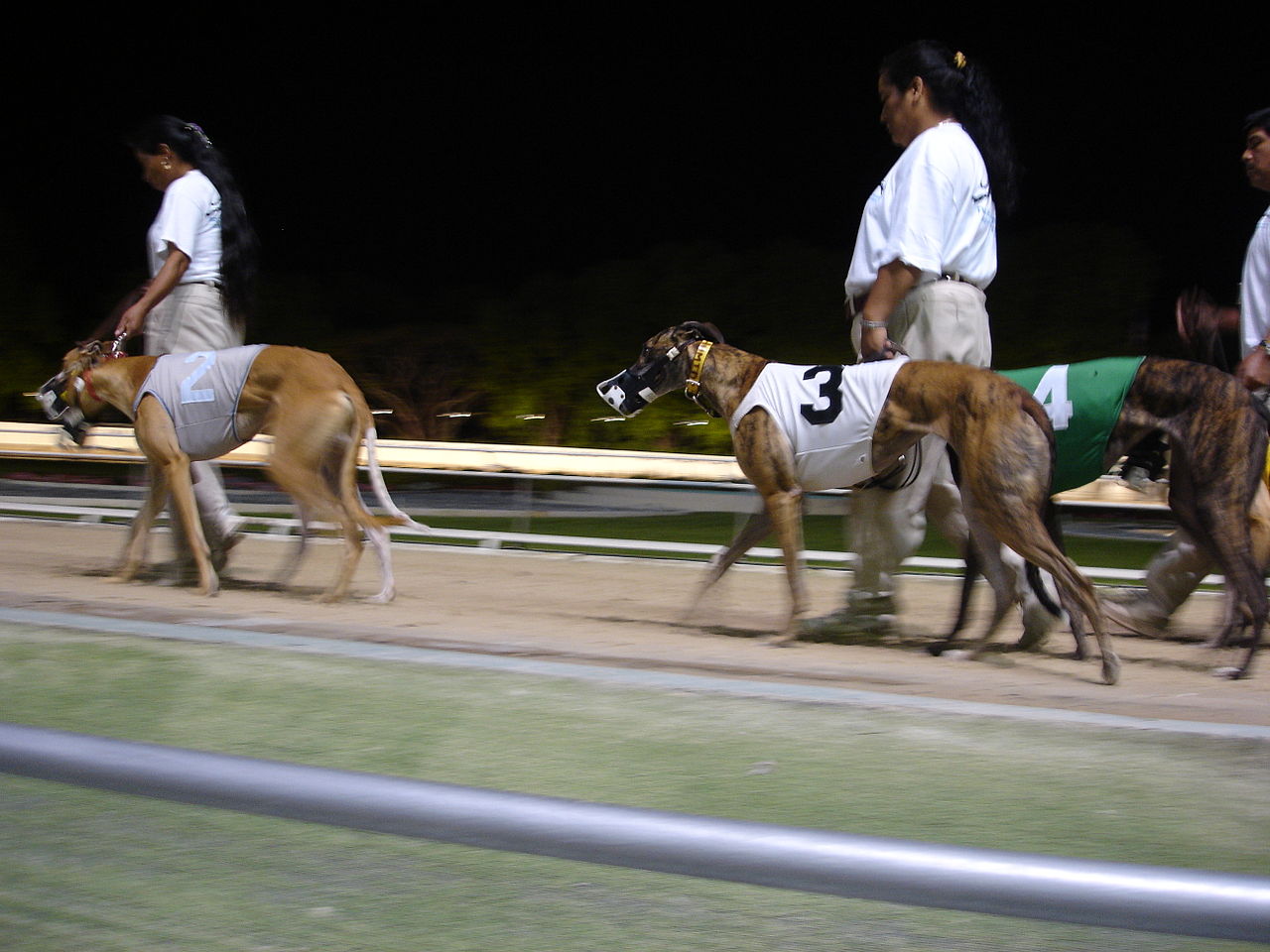


How it works
Meetings normally consist of a series of short sprints. Greyhounds start from boxes or traps and the lure follows a rail to encourage pursuit. Tracks vary in surface and length; facilities include starting traps, a safety rail for the lure, and areas for kennel care. Races emphasize speed and positioning rather than endurance.
Structure, rules and betting
Race rules address eligibility, weight, and equipment. Betting systems range from fixed-odds to pari-mutuel pools; stakes and regulatory oversight differ by jurisdiction. Training, veterinary checks and drug testing are routine in regulated jurisdictions to protect both competition integrity and animal welfare.
History and development
The modern track form developed in the early 20th century as mechanical lures replaced live quarry used in earlier coursing traditions. The sport spread internationally and became linked to commercial tracks and betting. Over time, rules, track design and kennel practices evolved alongside advances in veterinary care and transport.
Welfare, controversy and reforms
Animal welfare groups have criticized historical practices such as overbreeding, injury management, and post-care outcomes. Allegations of poor treatment prompted legal changes, increased regulation and the creation of adoption and retirement programs for ex-racing greyhounds. Many jurisdictions now require microchipping, vaccinations, and traceable records; in some places racing has been banned or curtailed for welfare or social reasons.
Contemporary status and distinctions
- Track racing differs from coursing, where dogs pursue live game in open fields under different rules and cultural contexts.
- Some national and regional bodies maintain registries and standards aimed at improving safety and post-racing outcomes.
- Public attitudes and regulation continue to shape where and how the sport operates today.
For more detailed technical rules, career pathways for competing animals, or regional legal status, consult governing organizations and regulatory sources specific to the country or state where races are held: see governing bodies and informational resources via sport overview and regulatory guides (track rules).
Related articles
Author
AlegsaOnline.com Greyhound racing: sport, mechanics, history and welfare issues Leandro Alegsa
URL: https://en.alegsaonline.com/art/40891