
Great Yarmouth: English seaside town on the River Yare
Overview of Great Yarmouth, a coastal town in Norfolk at the mouth of the River Yare, covering geography, history, economy, attractions and notable features.
Overview
Great Yarmouth, commonly called Yarmouth by locals, is a coastal town in the county of Norfolk. It sits where the River Yare meets the North Sea and has long combined maritime activity with seaside tourism. The town is known for its long sandy beaches, promenades and a history shaped by fishing, trade and holidaymakers.
Image gallery
10 Images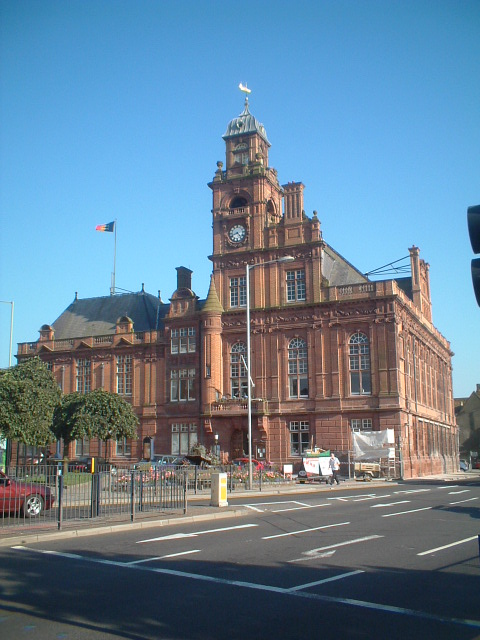


Geography and layout
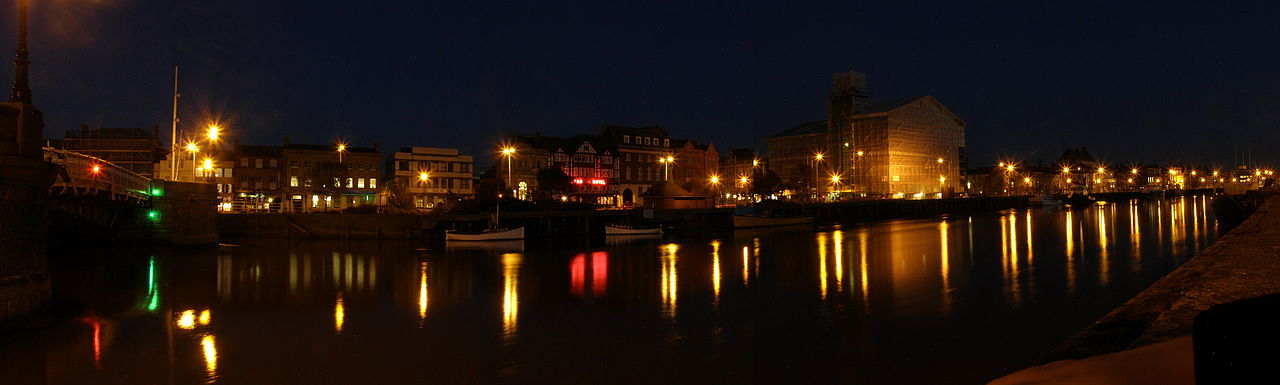
Located at the mouth of the River Yare, the town occupies a mix of riverine, coastal and low-lying land. Its shoreline stretches along beaches and dunes, while the harbour and channels form an important working waterfront. The urban area includes a traditional town centre, seafront promenades and suburbs that connect to neighbouring settlements and the Broads inland.
History and development
Great Yarmouth developed as a fishing and trading port. Over centuries its economy shifted between maritime trades and leisure: from a busy herring industry and ship-related commerce to a Victorian and 20th‑century seaside resort welcoming day-trippers and holiday families. Remnants of older town walls, historic streets and maritime infrastructure reflect this layered past.
Economy, transport and industry
The town’s economy combines tourism, local services, port activity and links to wider energy and maritime sectors. Transport connections include road and rail routes inland that serve visitors and freight. The harbour continues to accommodate fishing, recreational craft and commercial vessels, while nearby waters contribute to regional marine industries.
Culture, attractions and uses
Visitors come for the beach, piers, arcades and promenades that characterise traditional British seaside resorts. Notable visitor areas include promenades sometimes called the "Golden Mile", amusement attractions and historic marketplaces. The town hosts local events, fairs and seasonal activities that draw families and day visitors.
Notable facts and distinctions
- Maritime heritage: a long connection to fishing and seafaring life.
- Seaside resort tradition: developed as a leisure destination in the 19th and 20th centuries.
- Gateway location: positioned at a river mouth with easy access to inland waterways and coastal routes.
For further local information and visiting details, consult regional guides or municipal sources that specialise in Norfolk and coastal towns.
Related articles
Author
AlegsaOnline.com Great Yarmouth: English seaside town on the River Yare Leandro Alegsa
URL: https://en.alegsaonline.com/art/40571
Sources
- commons.wikimedia.org : Great Yarmouth
- ons.gov.uk : ons.gov.uk/ons/rel/census/census-2001-key-statistics/urban-areas-in-england-and-wales/urb…