
Greater Blue Mountains Area
World Heritage Area in New South Wales, Australia, recognised for vast eucalypt ecosystems, sandstone plateaus, rare species such as the Wollemi pine, and longstanding Aboriginal cultural connections.
Overview
The Greater Blue Mountains Area is a protected World Heritage property on the western fringe of the Sydney basin in New South Wales, Australia. Inscribed on the UNESCO World Heritage List in 2000, the site comprises a large, connected network of protected parks and reserves that together conserve more than one million hectares of largely intact eucalypt-dominated ecosystems. The listing recognises the area's outstanding natural values, including its role in the evolution and diversity of the eucalypt group and its dramatic sandstone landscapes. For official details about the inscription see the World Heritage listing: Greater Blue Mountains Area (World Heritage).
Image gallery
10 Images


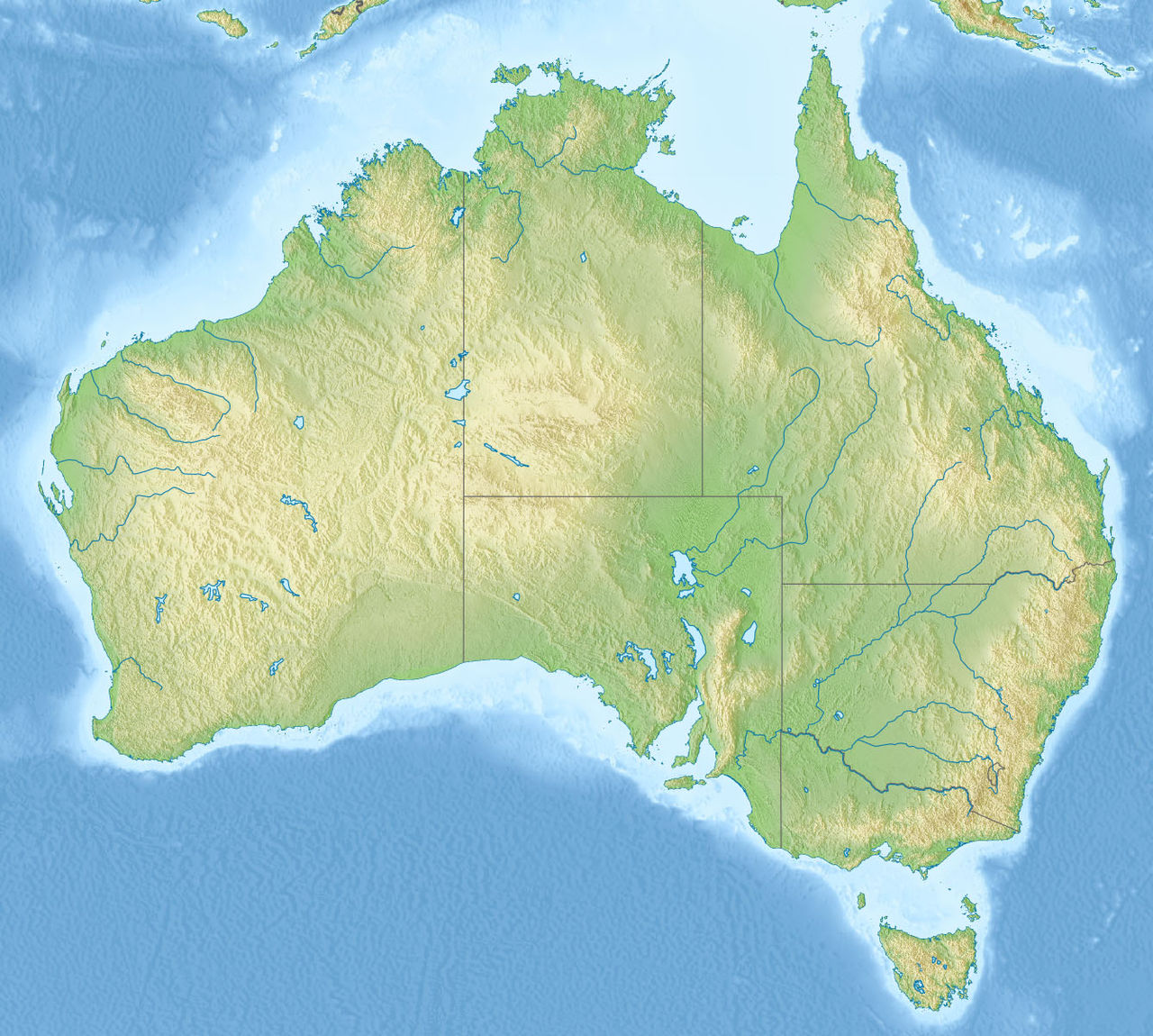


Landscape and biodiversity
The area is characterised by extensive sandstone plateaus, escarpments, deep gorges, river valleys and cascades. A blue haze, caused by volatile oils released by eucalyptus vegetation combined with atmospheric scattering, gives the cliffs and ridges their familiar hue. Vegetation ranges from open eucalypt woodlands and tall forests to heathlands, wetlands and pockets of cool temperate rainforest. The site is notable for exceptional diversity within the eucalypt group, high levels of plant endemism, and for harbouring rare, relict species such as the Wollemi pine, discovered in the 1990s. Fauna includes a variety of marsupials, birds, reptiles and invertebrates typical of eastern Australian forests, and many species depend on the mosaic of habitats maintained by natural fire regimes.
History and cultural significance
Indigenous peoples have lived in and managed the Blue Mountains landscape for thousands of years. The region contains numerous Aboriginal cultural sites, traditional travel routes and places linked to spiritual and resource use. European exploration and crossing of the mountain barrier in the early 19th century opened access for settlement and resource use, but large tracts remain relatively undeveloped. State and regional authorities work with local Aboriginal communities to recognise and protect cultural values alongside natural heritage; see regional information: Blue Mountains region and New South Wales government resources.
Conservation, research and recreation
Management of the Greater Blue Mountains Area focuses on conserving ecological processes, protecting endemic and threatened species, and enabling sustainable, nature-based recreation. Fire management, pest and weed control, visitor management and scientific research are central to long-term conservation. The area is valued by researchers as a living laboratory for studies of evolution, ecology and fire ecology. Popular recreational activities include bushwalking, camping, canyoning, rock climbing and wildlife observation; managers aim to balance public access with measures that reduce visitor impacts. Information for visitors and management plans are available through national and regional resources: Australian government resources and the record of the Cairns meeting where inscription was confirmed: World Heritage Committee meeting archive.
Notable facts
- The property comprises a network of protected areas managed to conserve a single World Heritage property rather than a single contiguous park.
- Recognised principally for the exceptional diversity and evolutionary significance of eucalypt species.
- Contains rare and ancient plant species and many sites of Aboriginal cultural importance.
- Offers a wide range of outdoor recreation opportunities while serving as a focus for conservation science and education.
Questions and answers
Q: What is the Greater Blue Mountains Area?
A: The Greater Blue Mountains Area is a World Heritage Site located in the Blue Mountains of New South Wales, Australia.
Q: When was the Greater Blue Mountains Area added to the World Heritage List?
A: The Greater Blue Mountains Area was added to the World Heritage List in November 2000, at a meeting of the World Heritage Committee held in Cairns.
Q: What is the significance of the Greater Blue Mountains Area being a World Heritage Site?
A: Being a World Heritage Site signifies that the Greater Blue Mountains Area is of exceptional universal value and is recognized as a place of significant cultural and natural heritage importance to the entire world community.
Q: Where is the Greater Blue Mountains Area located?
A: The Greater Blue Mountains Area is located in the Blue Mountains of New South Wales, Australia.
Q: How did the Greater Blue Mountains Area become a World Heritage Site?
A: The Greater Blue Mountains Area became a World Heritage Site after meeting the criteria for inscription under the World Heritage Convention, specifically meeting criteria for its outstanding natural and cultural value.
Q: What is the World Heritage Committee?
A: The World Heritage Committee is a group of representatives from different countries responsible for reviewing nominations and inscriptions of sites to the World Heritage List, as well as monitoring the status of existing World Heritage Sites.
Q: Why is the Greater Blue Mountains Area important?
A: The Greater Blue Mountains Area is important because it is home to a diverse range of plant and animal species, as well as culturally significant sites, and serves as a vital natural resource for the local community and the world community as a whole.
Related articles
Author
AlegsaOnline.com Greater Blue Mountains Area Leandro Alegsa
URL: https://en.alegsaonline.com/art/40578
Sources
- whc.unesco.org : "Unesco Entry"
- dx.doi.org : online Abstract
- birdata.com.au : "IBA: Greater Blue Mountains"
- whc.unesco.org : whc.unesco.org/en/list