
Great Yeldham: village and civil parish in Essex, England
Great Yeldham is a rural village and civil parish in the Braintree district of Essex, England, with a recorded population of 1,715 at the 2001 census and a long agricultural and community tradition.
Overview
Great Yeldham is a village and civil parish in the Braintree district of Essex, England. The parish recorded a population of 1,715 at the 2001 census. Located in a predominantly rural part of north‑east Essex, the village functions as a local centre for surrounding farms and smaller settlements.
Image gallery
1 Image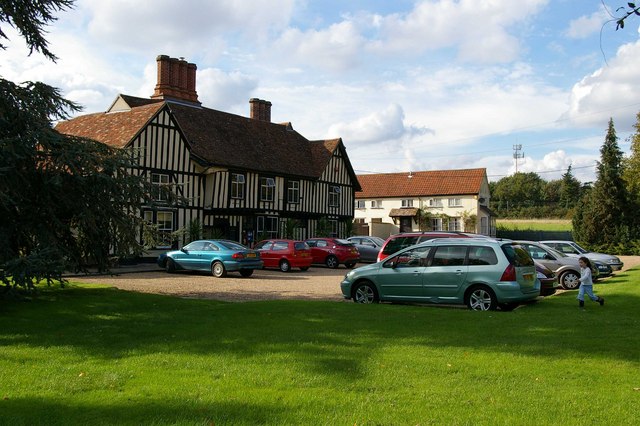
Character and features
The village retains a mix of historic and more recent housing, with a compact centre of community facilities. Typical features include a parish church, a village hall, a primary school, local shops and at least one public house. The surrounding landscape is largely agricultural, with hedgerows, small woodlands and a network of lanes and footpaths popular for walking and informal recreation.
History and development
Great Yeldham has a history that reflects its agricultural roots. Buildings, field patterns and place‑name evidence point to several centuries of settlement and rural economy. Over time the village expanded modestly in response to changes in farming, local trade and transport, and many surviving houses and farm buildings date from the 18th and 19th centuries.
Community, governance and services
The civil parish is administered locally by a parish council and falls within the wider responsibilities of Braintree District Council and Essex County Council. Residents rely on local services for daily needs while also travelling to larger towns for secondary schools, hospitals and major shopping. Public transport is limited; private cars are the most common means of travel.
Points of interest and local life
- Community amenities: village hall, recreational ground and sports clubs
- Historic and vernacular buildings reflecting the agricultural past
- Local events such as fairs and seasonal gatherings that sustain village life
- Network of lanes and footpaths suited to walking and enjoying the countryside
Great Yeldham is representative of many English villages where a blend of history, community institutions and farmland shapes everyday life. The parish is closely associated with nearby hamlets and smaller settlements, and it continues to balance rural identity with the needs of a modern community.
Related articles
Author
AlegsaOnline.com Great Yeldham: village and civil parish in Essex, England Leandro Alegsa
URL: https://en.alegsaonline.com/art/40572
Sources
- neighbourhood.statistics.gov.uk : Neighbourhood Statistics