
Great Waltham — village and civil parish in Essex
Great Waltham is a village and civil parish in the Chelmsford district of Essex, England, with historic roots, a rural character, local amenities and a recorded population of 2,228 in 2001.
Overview
Great Waltham is a village and civil parish in the Chelmsford district of Essex, England. It sits within a predominantly rural landscape and forms part of the network of villages surrounding the city of Chelmsford. The settlement combines residential areas, agricultural land and a compact village core where community life is focussed.
Image gallery
1 Image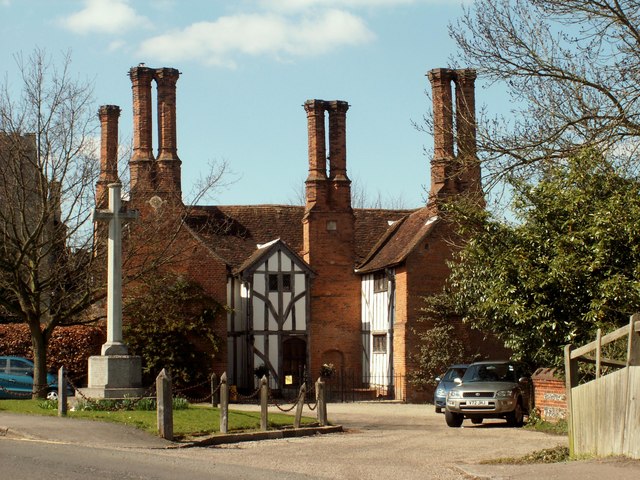
Characteristics
The parish typically includes a mix of housing, a parish church, a village hall and local businesses such as shops, pubs or small enterprises that serve residents and neighbouring hamlets. The surrounding countryside provides farmland, hedgerows and lanes used for walking and local recreation. The built environment often reflects traditional local materials and several buildings may date from the 18th or 19th centuries.
History and development
Like many English villages, Great Waltham has medieval origins and developed around agricultural activity and its parish institutions. Over centuries the village evolved with changes in farming, local trades and transport links. The historic core and church usually document this long continuity, and later 19th- and 20th-century development added housing and public amenities.
Community life and amenities
Community life in a parish such as Great Waltham often centres on events at the village hall, church and public houses, together with schools and clubs. Local organisations may run fetes, markets and recreational activities. The rural setting also makes the area important for outdoor pursuits and local conservation projects.
Administration and population
Administratively the village is governed as a civil parish within the Chelmsford district of Essex. Census returns recorded a population of 2,228 in 2001; later counts and estimates will reflect subsequent growth, housing changes and demographic shifts. Great Waltham remains representative of small English parishes balancing heritage, community and rural life.
Notable facts
- Its status as a civil parish gives residents a local council or parish meeting to handle community matters.
- Historical buildings and the village church are focal points for local history and identity.
- Proximity to Chelmsford means access to wider services while retaining a village atmosphere.
Related articles
Author
AlegsaOnline.com Great Waltham — village and civil parish in Essex Leandro Alegsa
URL: https://en.alegsaonline.com/art/40563
Sources
- ons.gov.uk : "Local statistics - Office for National Statistics"