
Great Hurricane of 1780 — the deadliest Atlantic storm on record
A comprehensive overview of the Great Hurricane of 1780, its path through the Caribbean, estimated intensity, human and naval losses, historical context and lasting significance.
Overview
The Great Hurricane of 1780 is widely considered the deadliest tropical cyclone in Atlantic history. Striking the eastern Caribbean in October 1780, it produced catastrophic loss of life and property at a time when systematic meteorological records did not exist. Contemporary accounts and later reconstructions provide the basis for modern understanding but leave many details uncertain.
Image gallery
5 Images

Path and intensity
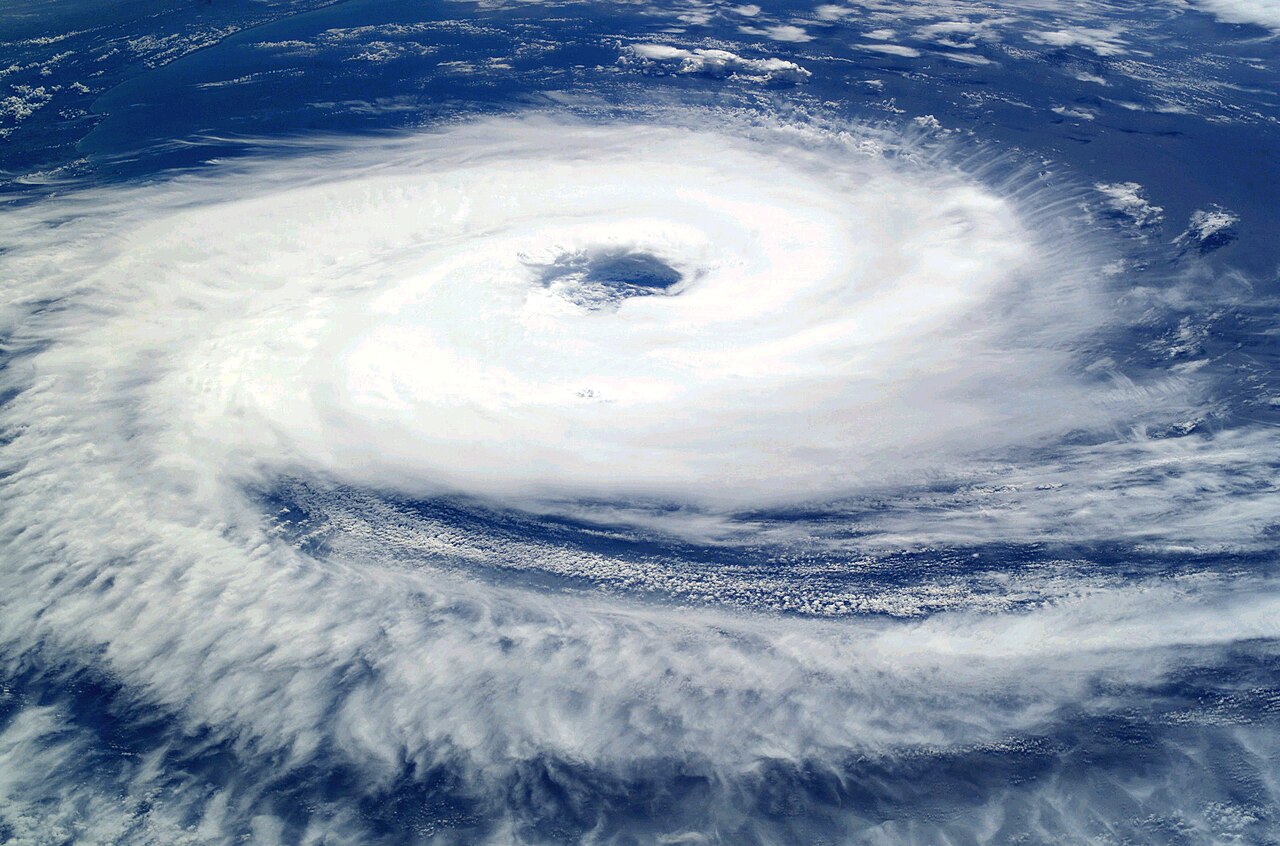
Reconstructed tracks place the storm moving westward through the eastern Caribbean before turning north and eventually being last observed southeast of Newfoundland. It made destructive passes near or over several islands, with some reports suggesting wind speeds of extraordinary magnitude. Modern estimates of peak winds vary, and most descriptions emphasize the storm’s exceptional ferocity rather than an exact metric.
Islands and human impact
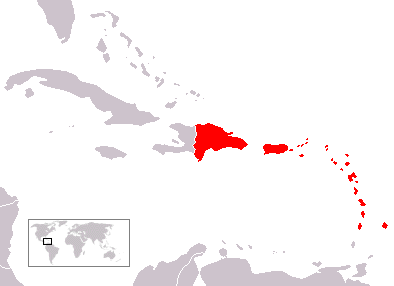
The hurricane devastated multiple islands. Reports from the period indicate severe damage and very high casualties in places including:
- Barbados — struck violently and reported among the highest numbers of fatalities;
- Martinique and Saint Lucia — sustained widespread destruction of towns and plantations;
- Puerto Rico and the eastern part of the Dominican Republic — experienced heavy winds and flooding.
Contemporary estimates of the death toll vary; many compilations place the total at over 20,000 and often cite figures exceeding 27,000. The uncertainty stems from sparse record-keeping and population dislocation during the era.
Military and economic consequences
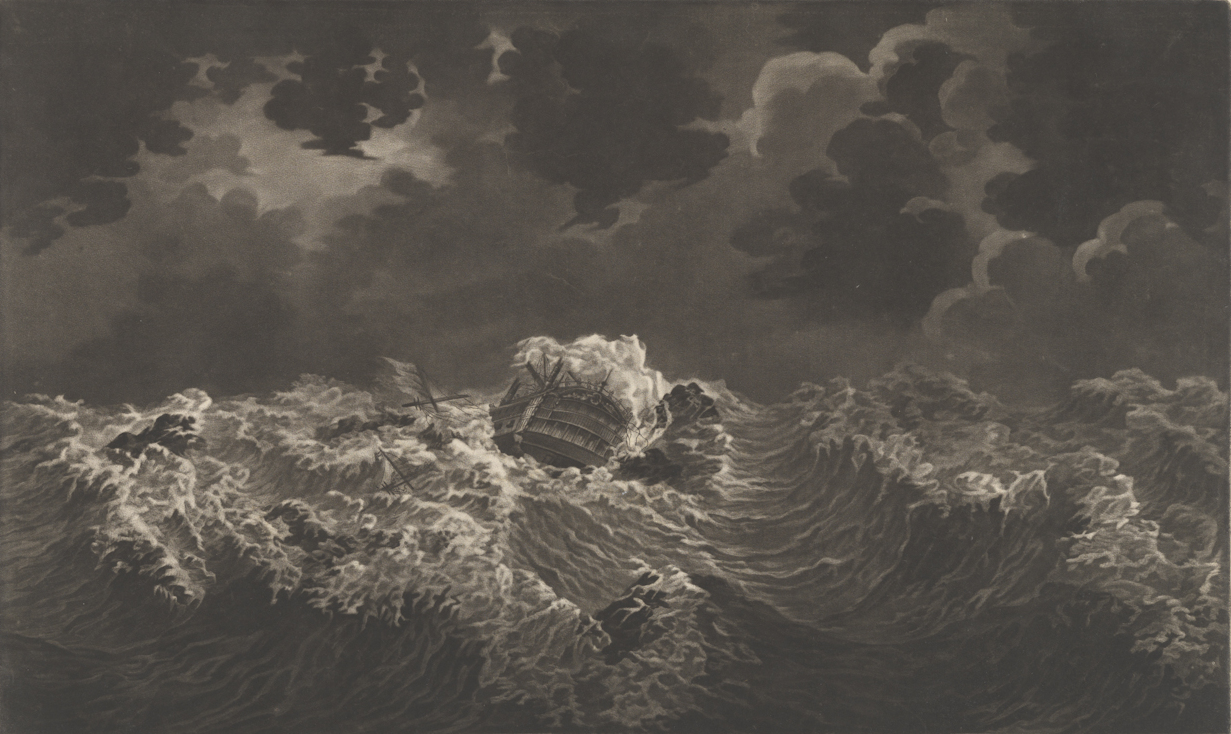
The hurricane struck during the American Revolutionary period and inflicted substantial losses on both British and French naval forces operating in the Caribbean, destroying ships and stores. The storm also devastated the plantation economies of affected islands, destroying crops, infrastructure and records, and contributing to years of economic hardship for colonists and enslaved populations alike.
Seasonal context and comparisons
The event occurred in what is now called the 1780 Atlantic hurricane season, a year notable for multiple deadly storms. Comparisons are often made between the Great Hurricane and other catastrophic Atlantic events such as Hurricane Mitch. Although direct comparisons are difficult because of changing populations and reporting, the 1780 hurricane remains the deadliest in the recorded Atlantic record.
Significance and legacy
Beyond immediate destruction, the Great Hurricane of 1780 is significant as a reminder of how severe tropical cyclones affected the Caribbean and colonial geopolitics before modern forecasting. It helped shape naval operations, colonial administration, and contemporaneous perceptions of natural disaster. For general context on storms of this type see discussions of the Atlantic hurricane phenomenon and historical overviews of hurricane impacts in the Atlantic Ocean.
Further reading: contemporary narratives and later historical reconstructions remain the primary sources for study; surviving accounts should be read critically given the limitations of eighteenth-century observation and reporting.
Questions and answers
Q: What was the Great Hurricane of 1780?
A: The Great Hurricane of 1780 was the deadliest Atlantic hurricane ever recorded.
Q: How many people did the Great Hurricane of 1780 kill?
A: The Great Hurricane of 1780 killed more than 27,500 people.
Q: Why is there not much known about the Great Hurricane of 1780?
A: There is not much known about the Great Hurricane of 1780 because it happened before people took official records of hurricanes.
Q: Which islands did the Great Hurricane of 1780 hit?
A: The Great Hurricane of 1780 hit Barbados, Martinique, Saint Lucia, and Saint Eustatius.
Q: What was the impact of the Great Hurricane of 1780 on the British and French fleets?
A: In the middle of the American Revolution, the Great Hurricane of 1780 caused heavy losses to British and French fleets.
Q: Where did the Great Hurricane of 1780 track after passing near Puerto Rico?
A: After passing near Puerto Rico, the Great Hurricane of 1780 tracked over the eastern portion of the Dominican Republic.
Q: How does the death toll of the Great Hurricane of 1780 compare to that of Hurricane Mitch?
A: The Great Hurricane of 1780 killed more than twice as many people as Hurricane Mitch did (Hurricane Mitch was the second deadliest hurricane in the Atlantic Ocean).
Related articles
Author
AlegsaOnline.com Great Hurricane of 1780 — the deadliest Atlantic storm on record Leandro Alegsa
URL: https://en.alegsaonline.com/art/40515
Sources
- nhc.noaa.gov : "The Deadliest Atlantic Tropical Cyclones, 1492-1996"
- ncdc.noaa.gov : "Most Deadly Western Hemisphere Hurricanes on Record"
- aoml.noaa.gov : "Re-Analysis Project"