
Grand Cross (honorific grade)
Grand Cross is a top-grade rank in many orders of chivalry and state honors, signifying the highest or near-highest class and associated insignia such as sashes, stars, collars, and badges.
Grand Cross is a term used across many orders of knighthood and state honors to denote one of the most senior grades awarded for merit, service, or distinction. The phrase can refer to either the rank held by a person (often styled "Knight Grand Cross" or "Dame Grand Cross") or, by extension, to the physical insignia worn by that person. The exact standing of a grand cross varies between orders: in some systems it is the supreme class, while in others it ranks just below a special collar or cordon.
Image gallery
4 Images

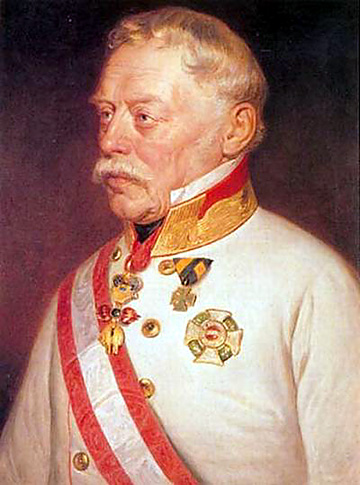
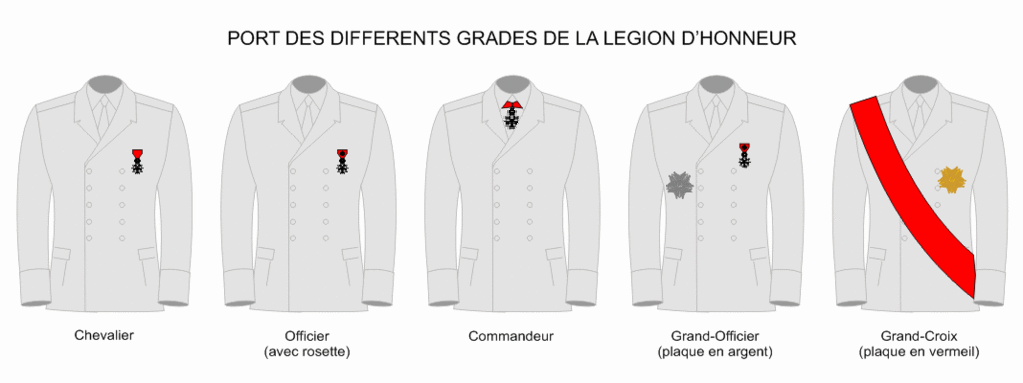
Typical insignia and appearance
Recipients of a grand cross are usually presented with a set of insignia that mark the grade visually in formal and ceremonial contexts. These items commonly include:
- a sash or broad ribbon worn across the shoulder, from which a pendant badge hangs;
- a breast star or plaque worn on the chest, often highly decorated and enamelled;
- in some cases a collar — a heavy chain of office reserved for sovereigns and very senior members;
- smaller forms for less formal wear, such as miniature badges and rosettes.
Because the insignia itself is prominent, the phrase "the grand cross" may be used to mean the medal or ribbon as well as the appointment. For examples of common insignia types and variations, see further information on insignia.
Origins and development
The concept of graded membership within chivalric orders grew out of medieval systems of knighthood and courtly precedence. Over centuries, monarchs and states formalized orders of merit into multi-tier hierarchies, with the grand cross emerging as one of the top tiers in many continental and British-style systems. As modern nation-states developed their honours systems, the grand cross grade became a familiar way to recognize heads of state, senior officials, military commanders, diplomats and exceptional civilians.
Uses, eligibility and forms of address
Grand cross appointments are typically conferred on individuals who have reached the highest levels of public life or who have provided extraordinary services. They are frequently used for domestic recognition and as a diplomatic honor presented to visiting foreign leaders. In anglophone systems that grant knighthood, the holders may be entitled to the honorific "Sir" or "Dame" and post-nominal letters corresponding to the order; in other systems the appointment is mainly a rank without a change in personal style. Female recipients are commonly styled "Dame Grand Cross" or granted the feminine equivalent used by the particular order.
Hierarchy and notable distinctions
Not all grand crosses occupy the same position in every order. Some orders have a higher grade called a "grand collar" or use the term "grand cordon" for comparable senior levels. In such hierarchies the sequence might run from commander grades up to grand cross, with a collar reserved as the pinnacle for heads of state or a limited class of members. Because these terms and ranks vary by country and by order, it is important to consult the statutes of a specific order for precise precedence and privileges.
In summary, the grand cross is a widely recognized senior class within orders of chivalry and state honours. It combines ceremonial insignia with high rank and often carries social and diplomatic significance. The precise privileges, form of address and relative standing depend on each order's traditions and legal framework, which can make the title both a personal decoration and an instrument of state protocol.
Related articles
Author
AlegsaOnline.com Grand Cross (honorific grade) Leandro Alegsa
URL: https://en.alegsaonline.com/art/40178