
Grain elevator
Facility and machinery for lifting, storing and moving bulk cereal grain; covers bucket elevators, storage silos, handling buildings and safety considerations.
Overview
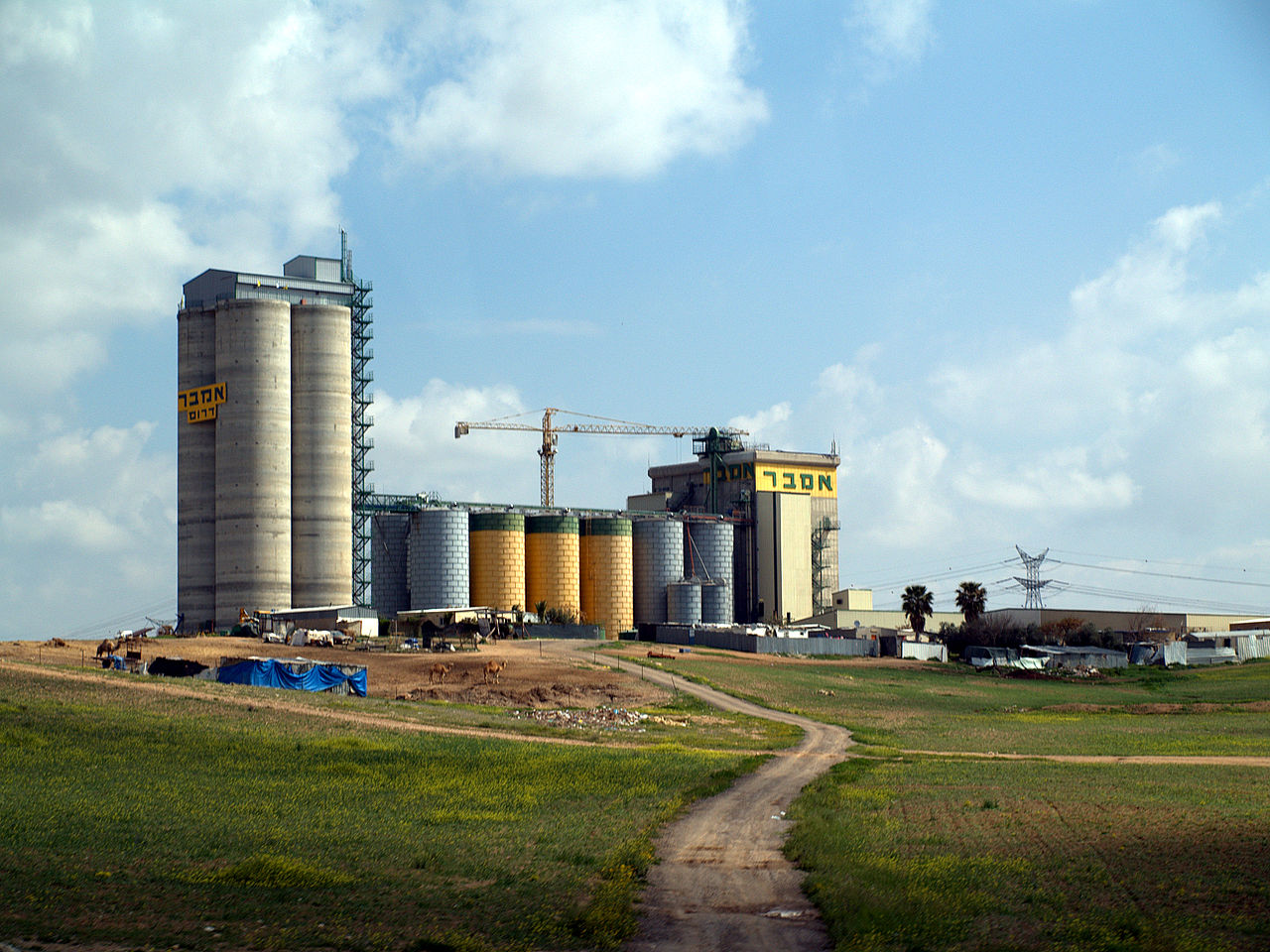
A grain elevator is both a machine and, in many places, a building complex used to move, store and distribute loose cereal grains such as wheat, corn and barley. Mechanically, the term refers to a lifting device that raises grain from a lower level into storage or transport. More broadly, especially in some regions, a "grain elevator" can mean the whole installation that receives, cleans, weighs and stores grain before shipment.
Image gallery
10 Images




Main parts and how it works
At the simplest level a grain elevator uses a continuous series of scoops or buckets attached to a belt or chain (the leg) that lift grain from a receiving pit to a headhouse. From the headhouse the grain is routed by spouts and conveyors into storage bins or silos. Modern facilities add mechanized conveyors, pneumatic movers, scales, dust collection and computerized controls to manage flow and records.
Typical components
- Receiving pit and initial conveyor for incoming load
- Bucket elevator or belt "leg" that lifts grain vertically
- Headhouse where material is distributed
- Storage bins, silos or bunkers
- Cleaning, drying and weighing equipment
- Dust control, ventilation and fire-suppression systems
History and development
Mechanized grain handling began with inventions that automated the movement of grain in mills and early warehouses. Over the 19th and 20th centuries, the combination of rail, port terminals and larger-scale agriculture led to specialized elevators at country collection points and major terminals. These installations reduced labor compared with handling bagged grain and enabled bulk trading of commodities.
Uses, variations and importance
Grain elevators are essential to modern agriculture and food commerce. Small farm elevators or augers serve local storage needs, while larger country elevators consolidate crops from many farms. Terminal elevators at ports load ships and manage export shipments. The facility type and capacity vary widely by region, crop and transport mode.
Safety, risks and regional terms
Handling dry grain produces dust that can be explosive; poor ventilation, ignition sources and static can lead to fires or explosions. Good housekeeping, dust control, confined-space procedures and monitoring are standard safety measures. In places such as Canada, the phrase "grain elevator" commonly denotes the entire complex of storage and handling buildings rather than just the lifting machine, a useful regional distinction when reading historical or agricultural records.
For more detail on equipment types and operational best practices see resources that describe bucket elevators, conveyors and storage design, and consult local regulations on grain storage safety.
Related articles
Author
AlegsaOnline.com Grain elevator Leandro Alegsa
URL: https://en.alegsaonline.com/art/40103