
Grafschaft — former municipality in the canton of Valais, Switzerland
Grafschaft was a former municipality in the district of Goms, canton of Valais, Switzerland. Formed by a 2001 merger and incorporated into Goms in 2017, it lies in the Upper Valais mountain valley.
Grafschaft was a Swiss municipality located in the high Rhone valley of the canton of Valais. It belonged to the district of Goms and comprised several small villages and alpine hamlets. The name Grafschaft literally means "county" in German and in this context denotes a local municipal entity in a strongly rural, German-speaking part of Valais.
Image gallery
7 Images




Overview
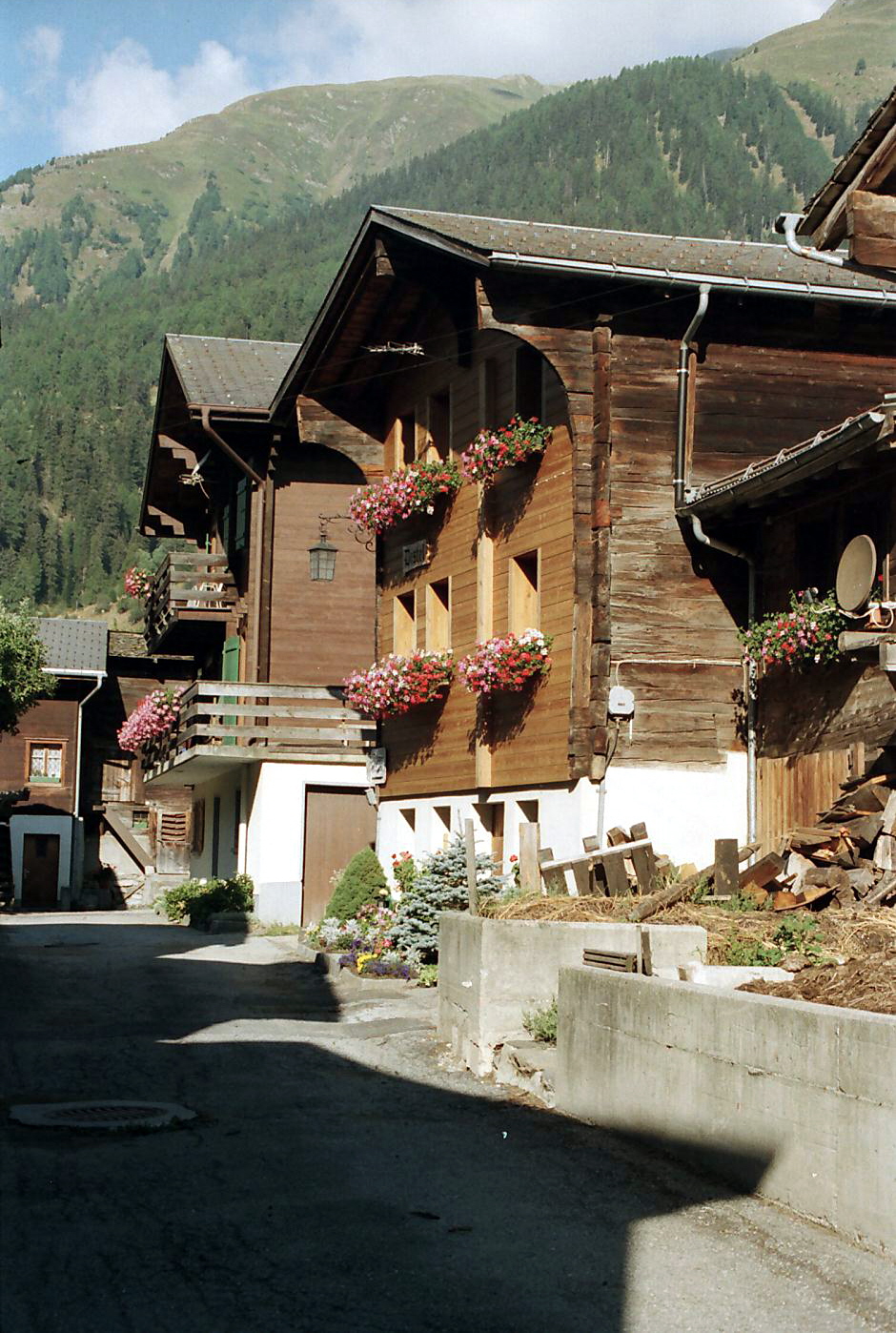
Administratively, Grafschaft functioned as a municipality until its merger into a larger communal unit in 2017. It occupied a predominantly mountainous area of the Upper Valais (Oberwallis) and combined traditional agriculture, alpine pastures and seasonal tourism. The territory and communities that formed Grafschaft were typical of the Goms valley: scattered settlements, stone houses with wooden balconies and a cultural landscape shaped by centuries of mountain farming.
History and municipal changes
The modern municipality of Grafschaft was created on 1 January 2001 when three formerly independent municipalities joined: Biel, Ritzingen and Selkingen. This consolidation was part of a broader Swiss pattern of municipal mergers intended to streamline administration and public services in small communities. Later, on 1 January 2017, Grafschaft itself merged with neighboring municipalities—Blitzingen, Münster-Geschinen, Niederwald and Reckingen-Gluringen—to form the new, larger municipality of Goms.
Geography and economy
Grafschaft sat within the upper reaches of the Rhone valley where elevations and alpine terrain shape land use and settlement. Agricultural activities focused on hardy cereals, fodder and cattle grazing on summer pastures; many farms used transhumance patterns that move stock seasonally between valley floors and high pastures. Tourism—especially hiking, cross-country skiing and nature-oriented stays—has grown in importance alongside traditional livelihoods, offering a seasonal boost to the local economy.
Transport, culture and notable features
While small and dispersed, the communities of the former Grafschaft are connected by valley roads, bus routes and regional rail services that link the Goms valley with larger centers. Cultural life reflects Upper Valais traditions: local dialects of German, woodcraft architecture, historic chapels and village festivals. As with many Swiss municipal reorganizations, the principal aim of the mergers that created Grafschaft and later Goms was to preserve services and cultural identity while improving administrative efficiency.
Further information and references
- Former municipal structure and merger details: see entries for Grafschaft and the component villages.
- Original member localities: Biel, Ritzingen, Selkingen.
- 2017 consolidation partners and the new municipality: Blitzingen, Münster-Geschinen, Niederwald, Reckingen-Gluringen, assembled as Goms.
- District and cantonal context: Goms district in the canton of Valais (Wallis), Switzerland (Swiss Confederation).
Related articles
Author
AlegsaOnline.com Grafschaft — former municipality in the canton of Valais, Switzerland Leandro Alegsa
URL: https://en.alegsaonline.com/art/40083