
Gothic metal: origins, characteristics, and notable bands
Gothic metal is a heavy metal fusion that combines the dark atmospheres of gothic rock with doom and death metal elements; it emphasizes mood, contrasting vocals, keyboards and romantic or melancholic themes.
Overview
Gothic metal is a subgenre of heavy metal defined by a persistent emphasis on atmosphere, melody and dark thematic content. It emerged as a hybrid approach that draws on the brooding textures of gothic rock, the slow heaviness of doom metal and, in some strains, the aggressive tones of death metal. Rather than a single strict formula, gothic metal is a broad umbrella that accommodates a range of tempos, arrangements and vocal styles while retaining a characteristic sense of drama and melancholy.
Image gallery
10 Images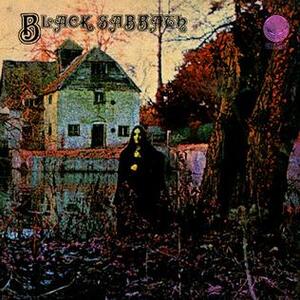


Musical characteristics
The sound typically features distorted guitars and strong rhythm sections anchored by bass and drums, with keyboards or orchestral arrangements adding layered, often melancholic textures. Vocally the genre is notable for contrasts: operatic or ethereal female singers paired with harsh male growls or clean baritones, and sometimes for the use of choral or spoken-word passages. Production values often favor reverb and an expansive sonic space to enhance mood.
Common themes and instrumentation
- Lyric themes: romance, loss, existential reflection, gothic literature and mythology.
- Instruments: electric guitar, bass, drums, keyboards, strings or synthesized orchestration.
- Techniques: melodic hooks, harmonic minor modes, slow-to-mid tempos and dynamic shifts.
History and development
Gothic metal developed in the late 1980s and early 1990s in Europe as bands experimented by combining doom's heaviness with the somber aesthetics of gothic rock. Early practitioners expanded the palette of metal by introducing keyboards, female vocalists and literary themes, helping the style to diversify into more symphonic and more extreme variants. Throughout the 1990s and 2000s the genre spread across the United Kingdom, Scandinavia, the Netherlands and Italy, appearing on independent labels and at metal festivals.
Substyles and notable examples
Subgenres include symphonic or orchestral gothic metal, doom-influenced gothic-doom, and more commercially oriented gothic-pop hybrids. Notable bands associated with the style span a range of approaches, from heavier, doom-rooted acts to accessible, melody-driven groups that achieved wider recognition. These artists helped establish the visual and musical vocabulary that defines gothic metal today.
Legacy and distinctions
Gothic metal occupies a distinctive place within the metal world by marrying romantic and theatrical sensibilities with metallic instrumentation. It differs from straight gothic rock by its heavier, guitar-driven foundation, from pure doom by its greater melodic and vocal variety, and from symphonic metal by its often darker, more introspective tone. The genre continues to evolve, influencing contemporary metal and alternative music scenes while maintaining dedicated festival and fan communities.
Related articles
Author
AlegsaOnline.com Gothic metal: origins, characteristics, and notable bands Leandro Alegsa
URL: https://en.alegsaonline.com/art/39874