
Gothenburg (Göteborg) — Swedish west coast port, history, culture and economy
Second-largest city in Sweden, founded in 1621; a major Scandinavian port on the Göta älv, known for industry, universities, parks, Liseberg and a strong cultural festival scene.
Overview
Gothenburg is Sweden's second-largest city and a principal seaport on the west coast. Often called Göteborg in Swedish, the city serves as a commercial and cultural hub distinct from Stockholm to the east. The municipal population is commonly cited in the mid-hundreds of thousands, while the wider metropolitan area counts roughly around a million residents.
Image gallery
10 Images





Location and layout
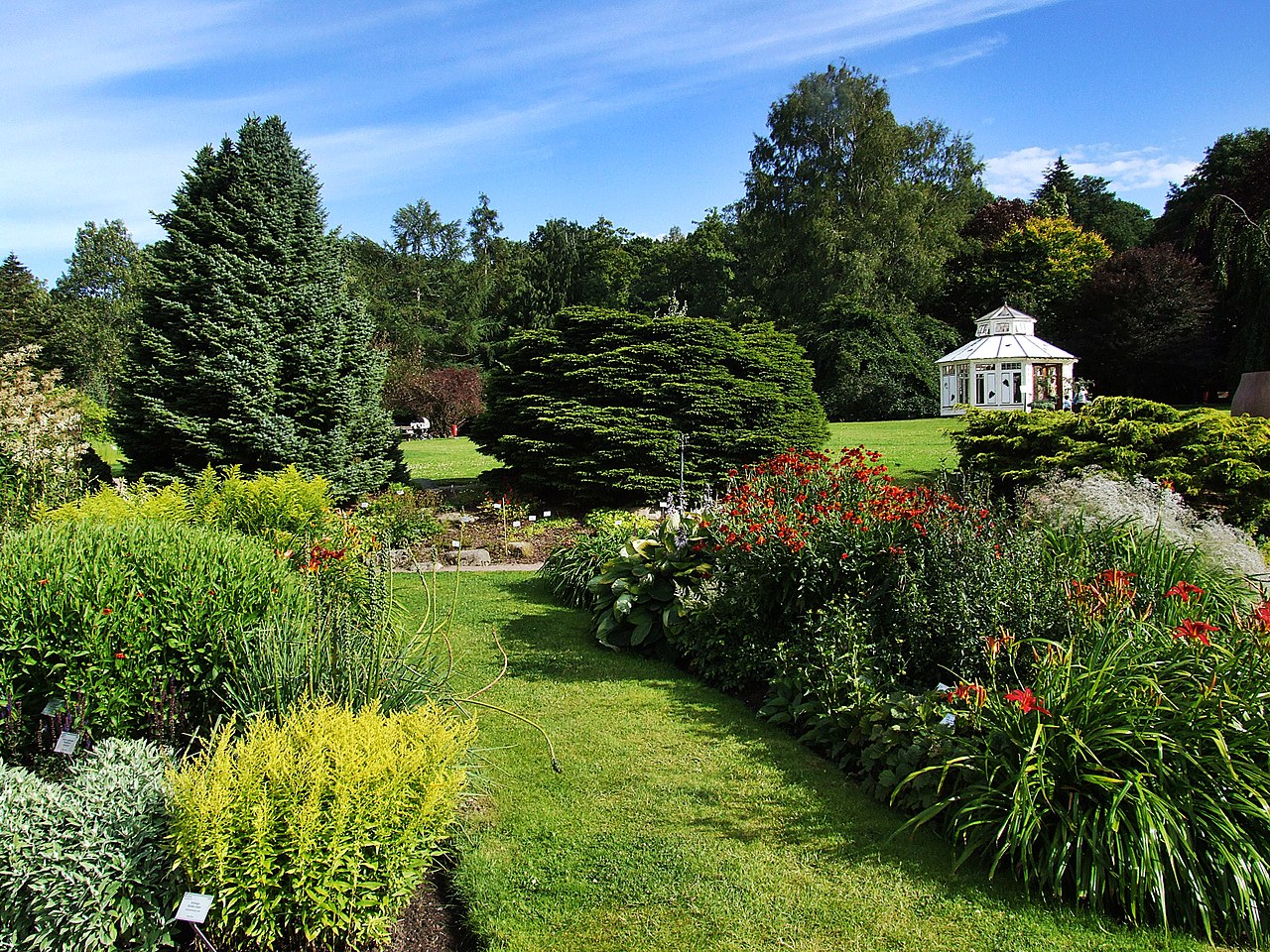
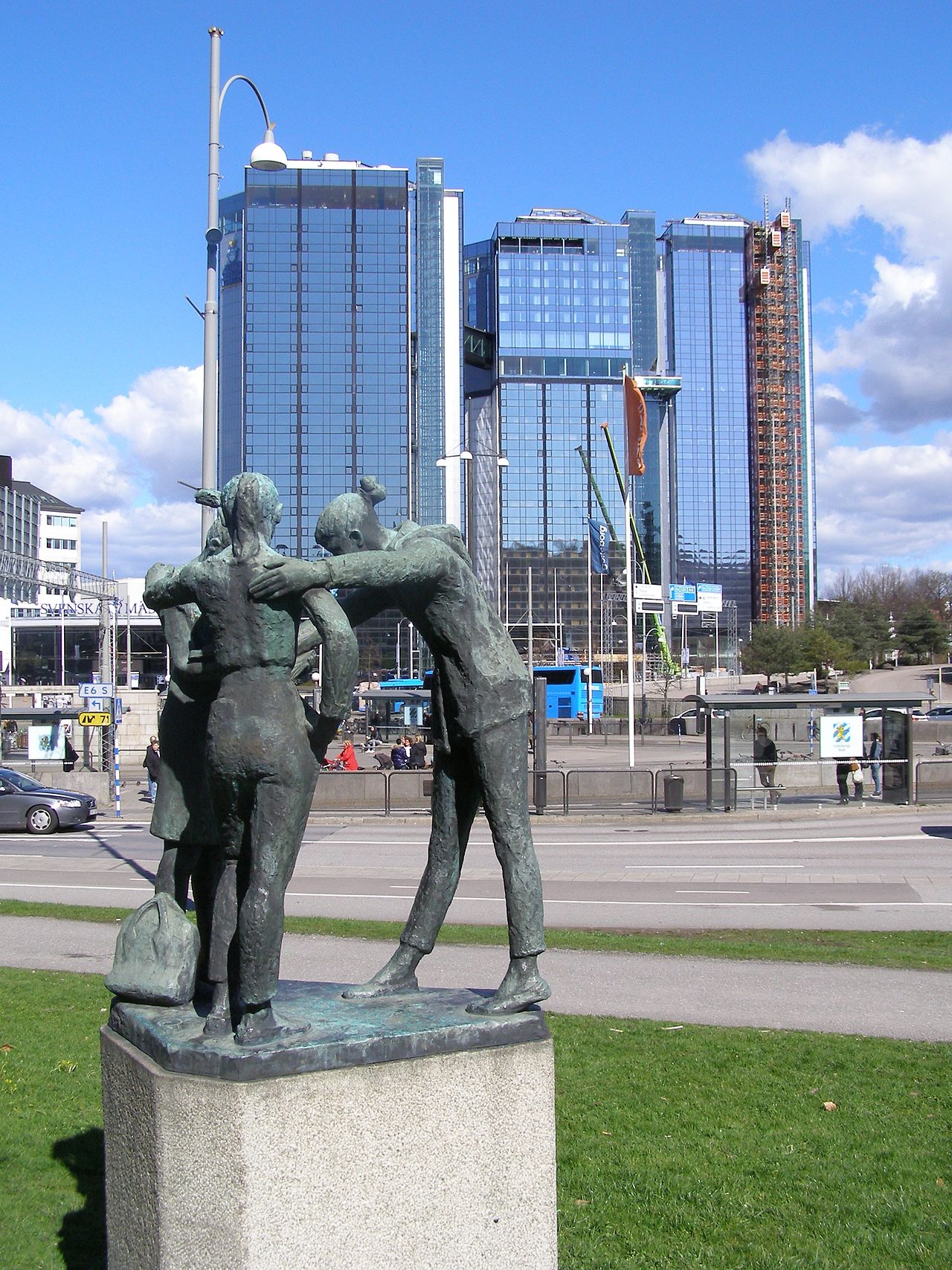
Located where the Göta älv meets the North Sea, Gothenburg's setting includes riverfront quays, canals and a nearby archipelago of rocky islands. The city center combines 19th-century boulevards and parks with modern waterfront developments. Its layout reflects both maritime functions and planned urban promenades that encourage pedestrian use.
History and origins
Gothenburg was officially founded in 1621 by King Gustavus Adolphus as a fortified trading town and a Swedish alternative to Danish-controlled harbors. Over centuries it developed from a defensive outpost into a major trading and shipbuilding center, influenced by immigrant craftsmen and maritime commerce.
Economy, education and industry
The port of Gothenburg is one of the busiest in the Nordic countries, handling container shipping, roll-on/roll-off cargo and ferry traffic. The city has a strong industrial base, historically in shipbuilding and heavy engineering, and later in automotive and technology sectors. Higher education and research institutions such as Chalmers University of Technology and the University of Gothenburg contribute to a knowledge-driven regional economy.
Culture, attractions and events
Gothenburg is known for lively cultural events and public attractions. Highlights include the amusement park Liseberg, the fish market Feskekôrka, major festivals such as the Gothenburg Film Festival and a prominent book fair. The city also has active music, culinary and design scenes that attract both residents and visitors.
Notable distinctions
- Anglicized as Gothenburg; Swedish name Göteborg remains widely used.
- Serves as a key maritime gateway for Sweden and northern Europe.
- Combines industrial heritage with universities and contemporary culture.
- Founded as a strategic royal initiative in 1621 — see Gustavus Adolphus for the founder's role.
For further introductions and practical information about travel, economy and local institutions see regional guides and municipal resources: general city information here, and comparisons with the national capital there.
Related articles
Author
AlegsaOnline.com Gothenburg (Göteborg) — Swedish west coast port, history, culture and economy Leandro Alegsa
URL: https://en.alegsaonline.com/art/39869
Sources
- scb.se : "Tätorternas landareal, folkmängd och invånare per km2 2005 och 2010"
- scb.se : Statistics Sweden: Folkmängd i riket, län och kommuner 31 december 2011 och befolkningsförändringar 1 oktober - 31 december 2011