
Göttingen — University city in Lower Saxony, Germany
Göttingen is a historic university town in central Germany's Lower Saxony, noted for its research institutions, medieval centre, Gänseliesel fountain and a strong student presence.
Overview
Göttingen is a medium-sized city in central Germany, located in the federal state of Lower Saxony. With a population of roughly 130,000 people it combines the scale of an urban centre with the character of a university town: a significant share of residents are students, researchers and academic staff.
Image gallery
10 Images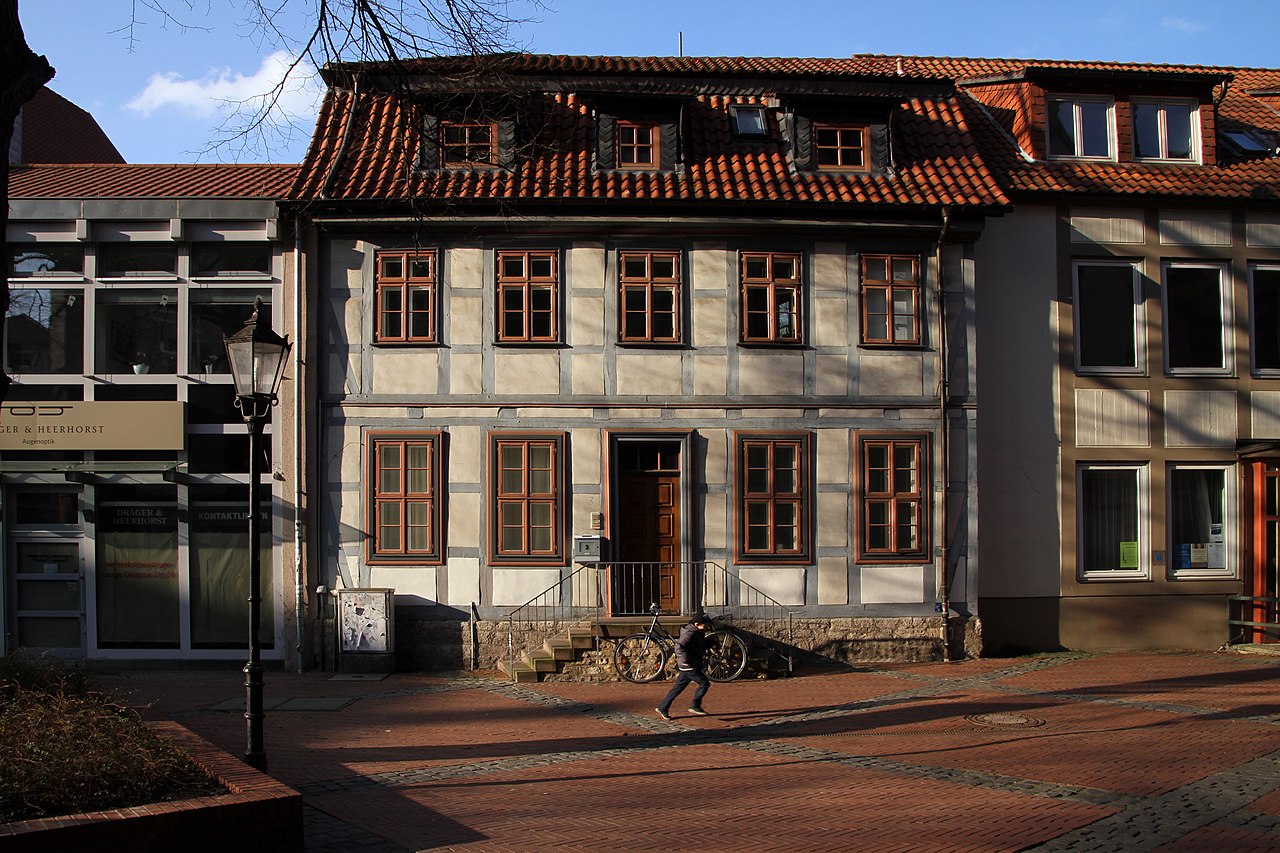


Historical background
The settlement that became Göttingen is first recorded in the 10th century (commonly cited as 992 AD). During the medieval and early modern periods it developed into a regional market town and later grew in importance with the rise of higher education and scientific activity. Many of the city’s street patterns, churches and public squares reflect this layered history.
University and research
The University of Göttingen (Georg‑August‑Universität), founded in the 18th century, has been central to the city's identity. It is a major research university and has attracted prominent mathematicians, physicists and scholars over the centuries. The city also hosts several research institutes and facilities, including branches of national research organizations, which contribute to a lively scientific and academic community. For more on academic life see the university.
Culture, landmarks and traditions
Göttingen’s compact old town contains historic architecture, museums and theatres. A well‑known symbol of the city is the Gänseliesel fountain on the town hall square, traditionally kissed by doctoral graduates in a long‑standing local custom. Cultural events, cafés and student societies play a large role in everyday life.
Notable associations and distinctions
- Göttingen has been associated with influential scientists and mathematicians across generations, and its university influenced mathematical and natural‑science research in Germany.
- The city has a high student‑to‑resident ratio, which shapes its economy and cultural scene.
- Several research institutes and technology spin‑offs make Göttingen an important regional centre for innovation.
Practical notes
Today Göttingen functions as a regional transport and service hub with connections to larger German cities. Its combination of historic fabric, active academic institutions and scientific infrastructure makes it notable both as a cultural destination and as a centre for research and higher education.
Related articles
Author
AlegsaOnline.com Göttingen — University city in Lower Saxony, Germany Leandro Alegsa
URL: https://en.alegsaonline.com/art/39890
Sources
- destatis.de : "Alle politisch selbständigen Gemeinden mit ausgewählten Merkmalen am 31.12.2018 (4. Quartal)" · web.archive.org
- destatis.de : destatis.de/DE/ZahlenFakten/LaenderRegionen/Regionales/Gemeindeverzeichnis/Administrativ/…
- www1.nls.niedersachsen.de : Landesbetrieb für Statistik und Kommunikationstechnologie Niedersachsen, 102 Bevölkerung - Basis Zensus 2011, Stand 31. Dezember 2015 (Tabelle K1020014)
- goethe.de : "History of Göttingen"
- commons.wikimedia.org : Göttingen