
Gong: form, history, and uses of the percussion instrument
A gong is a circular metal percussion instrument with a long resonance. This article explains its construction, common types, cultural roles (especially in East and Southeast Asia) and musical uses.
Overview — A gong is a circular, usually bowl-shaped metal disc struck with a mallet or padded beater to produce a sustained, ringing sound. It is widely associated with East and Southeast Asian musical and ritual traditions but is also used in modern orchestras, sound design and meditation. The term covers instruments that produce a clear pitched tone as well as those that yield a broad, crashing noise; both uses are common.
Image gallery
10 Images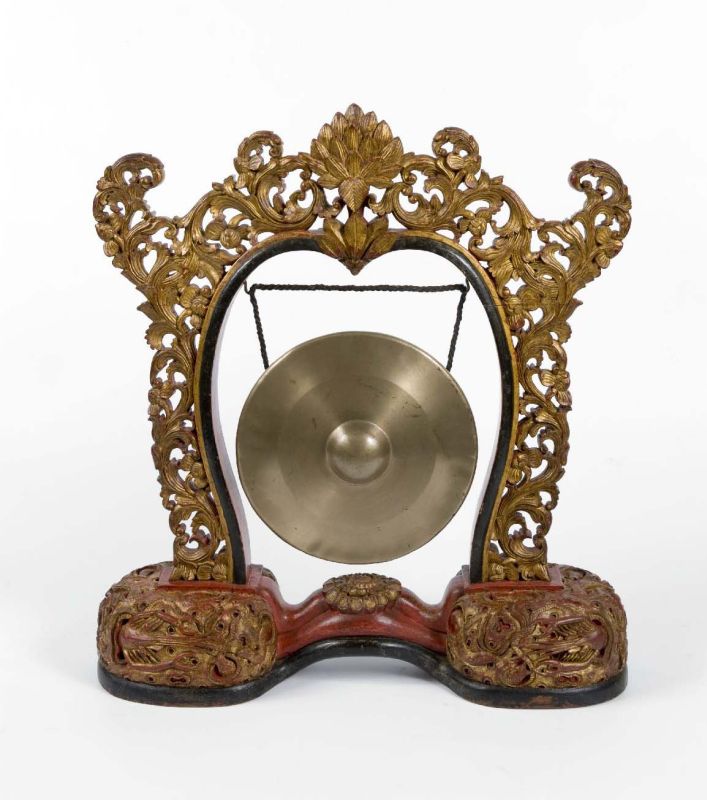


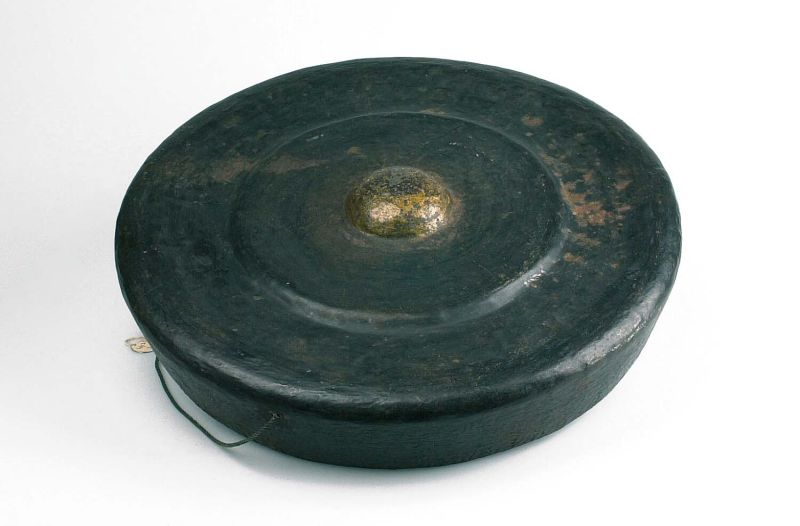
Characteristics and sound
Gongs vary greatly in diameter, thickness and profile. Their sound is defined by complex overtone spectra and long decay times: some gongs present a recognizable fundamental pitch with harmonic overtones, while others create inharmonic, noisy crashes. The place where the gong is struck, the type of mallet, and the gong's suspended mounting all shape the resulting timbre and volume. Musicians often strike near the center for lower, fuller tones or toward the rim for higher, more complex overtones. Historically they are made from bronze alloys, brass or modern metals.
Construction and tuning
Traditional manufacturing combines casting or sheet-forming with hammering, grinding and sometimes lathing to refine thickness and curvature. Careful shaping and surface finishing influence pitch and sustain; some gongs are deliberately tuned to produce a steady beat note or specific pitch when combined with others. The artisan can alter harmonic relationships by thinning, dishing or creating a raised central boss.
History and cultural context
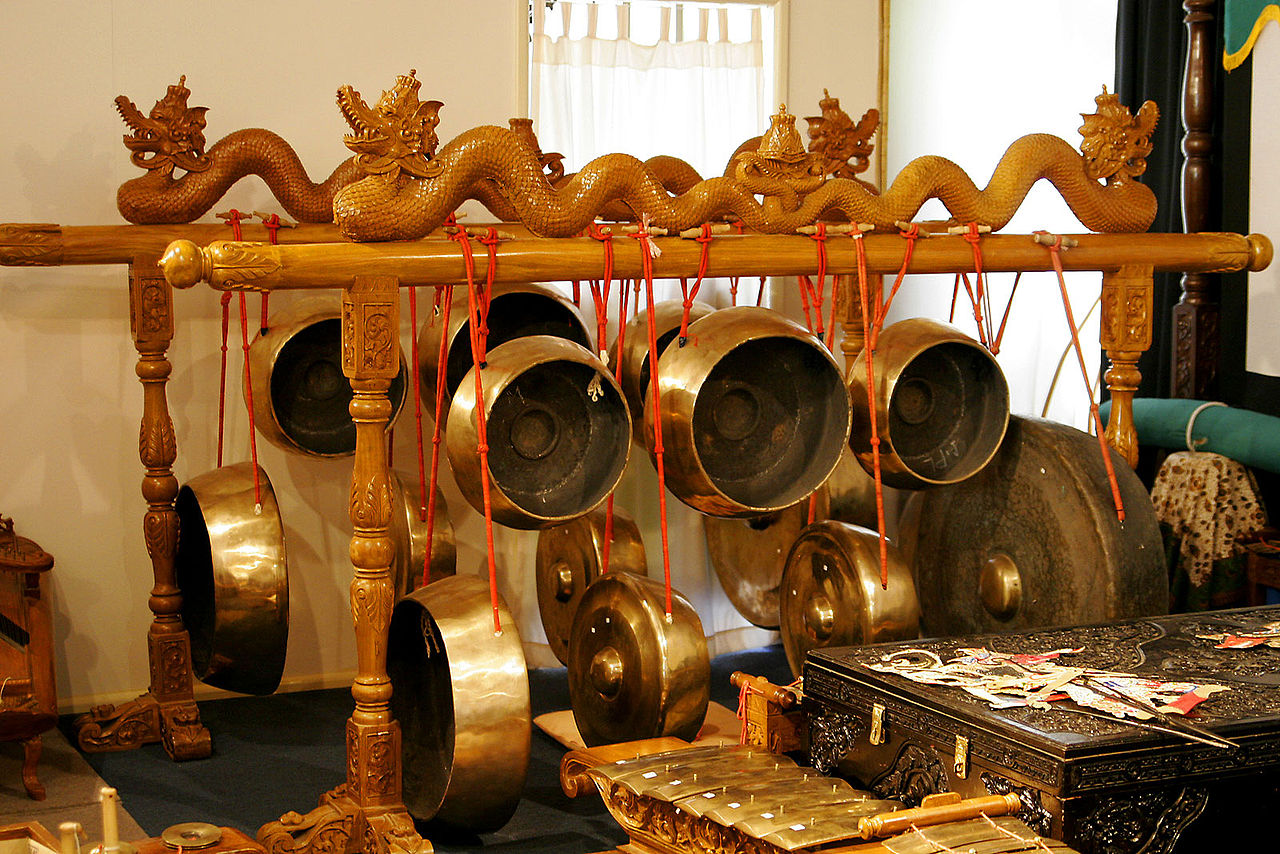
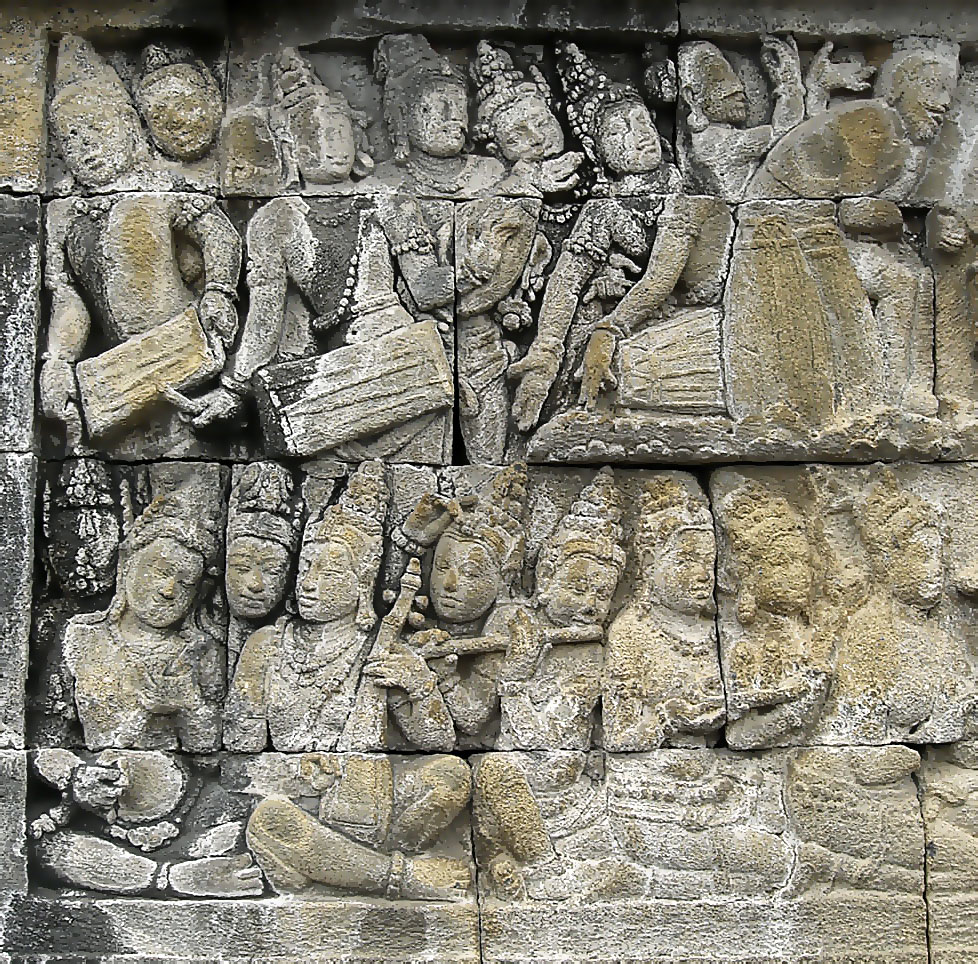
Gongs originated and developed across East and Southeast Asia and spread through trade and cultural exchange. They serve ceremonial, religious and signaling roles in addition to their musical functions. In Indonesian gamelan ensembles, specialized gongs mark structural points in the music and may be tuned to interact with other instruments; in Chinese and Southeast Asian rituals they often signify announcements or transitions.
Uses, examples and notable distinctions
- Musical ensembles: tuned gongs in gamelan and orchestral use for color or dramatic effect.
- Ceremonial and religious contexts: temple rites, inaugurations and processions.
- Sound design and therapy: film, meditation and contemporary composition where long resonance is valued.
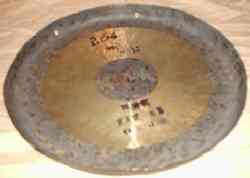
Instrument classification sometimes distinguishes bossed or "nipple" gongs, which have a central raised area and clearer pitch, from flat-faced gongs (often called tam-tams in Western usage) that give a broad, crash-like sound. For further reading on percussion and regional practices see percussion instrument, materials and form bowl-shaped construction notes, metallurgy metal considerations, and specific Indonesian traditions at Indonesian ensemble descriptions.
Related articles
Author
AlegsaOnline.com Gong: form, history, and uses of the percussion instrument Leandro Alegsa
URL: https://en.alegsaonline.com/art/39595