
Gommiswald — municipality in See-Gaster, Canton of St. Gallen, Switzerland
Gommiswald is a German-speaking municipality in the See-Gaster district of St. Gallen, Switzerland, formed in 2013 by the merger of Ernetschwil and Rieden. It combines rural character with commuter links to nearby towns.
Overview
Gommiswald is a municipality in the See-Gaster district of the canton of St. Gallen, in eastern Switzerland. The community is German-speaking and combines village settlements with surrounding farmland and wooded slopes. For official information see the municipal website and general cantonal resources at the Canton of St. Gallen. Gommiswald lies within the Swiss political framework and is part of the country of Switzerland.
Image gallery
7 Images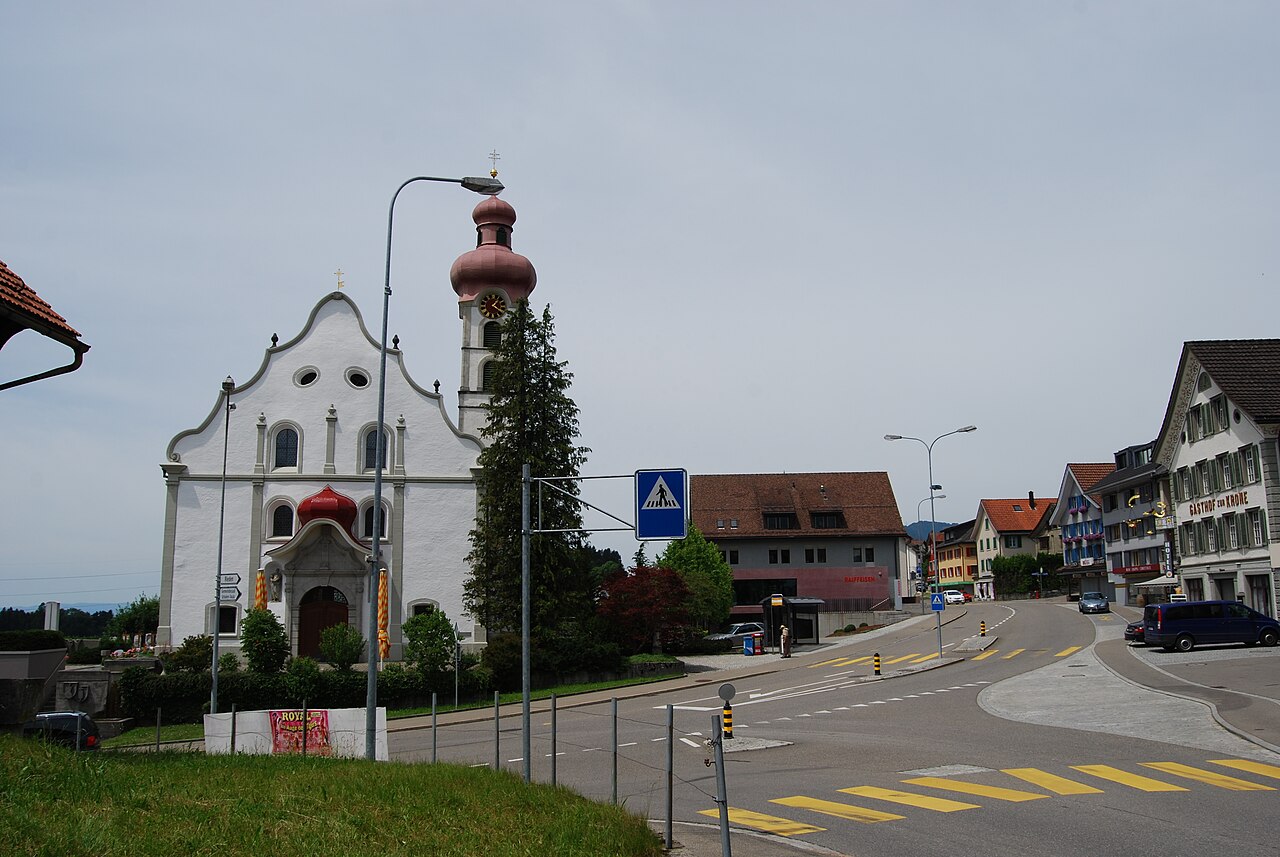


Geography and administration
The municipality covers a mix of settled areas, agricultural land and natural terrain typical of the pre-Alpine region. Local administration provides basic services, schools and infrastructure for residents and small businesses. In the administrative sense the modern municipality includes the territories of neighboring former municipalities that joined to form a single local government.
History
Gommiswald has older village roots but its present municipal form changed recently: on 1 January 2013 the neighbouring municipalities of Ernetschwil and Rieden were merged into Gommiswald. Such mergers are common in Switzerland as a way to streamline administration and pool resources while preserving local identity.
Economy and transport
The local economy combines agriculture, small and medium enterprises, craft workshops and service providers. Many residents commute to larger towns and employment centers nearby; public transport and regional roads link Gommiswald with the surrounding canton and beyond. Tourism plays a modest role, focused on countryside recreation and local cultural events.
Culture and points of interest
Gommiswald offers a traditional village centre, parish and community venues that host seasonal festivals and civic activities. Architecture and landscape reflect regional building traditions and the rural setting. Visitors often appreciate walking routes, local eateries and community markets that present the area's agricultural produce.
Practical notes
Local government handles schooling, municipal planning and services; community information is available through municipal channels. The 2013 merger reinforced administrative capacity while keeping local customs and neighbourhood identities intact. For further practical details consult the municipal and cantonal links above.
Related articles
Author
AlegsaOnline.com Gommiswald — municipality in See-Gaster, Canton of St. Gallen, Switzerland Leandro Alegsa
URL: https://en.alegsaonline.com/art/39574
Sources
- bfs.admin.ch : "Arealstatistik Standard - Gemeinden nach 4 Hauptbereichen"
- bfs.admin.ch : "Ständige Wohnbevölkerung nach Staatsangehörigkeitskategorie Geschlecht und Gemeinde; Provisorische Jahresergebnisse; 2018"
- bfs.admin.ch : Amtliches Gemeindeverzeichnis der Schweiz