
Gomel Region (Homiel Voblast) — overview, administration, and Chernobyl impact
Gomel Region (Homiel Voblast) is a southeastern province of Belarus centered on Gomel. It includes major industrial cities, extensive wetlands, and areas affected by the 1986 Chernobyl disaster.
Overview
The Gomel Region, also written Homiel Voblast or Homyel Oblast, is a province in southeastern Belarus. Its administrative centre is the city of Gomel (Gomel), a major urban, cultural and economic hub for the region. The oblast combines lowland plains, rivers, forests and wetlands and lies close to the border with Ukraine and Russia. Its landscape and settlement pattern reflect both long agricultural traditions and Soviet-era industrial development.
Image gallery
9 Images


Administrative structure and major towns
Gomel Region is subdivided into administrative districts and local councils. Officially it comprises 21 districts (raions), 278 selsovets (rural councils), 17 cities and 8 city municipalities. Important urban centres include Gomel, Mazyr, Zhlobin, Svetlahorsk, Rechytsia, Kalinkavichy, Rahachow and Dobrush. These cities serve as regional service, manufacturing and transport nodes.
Geography and natural features
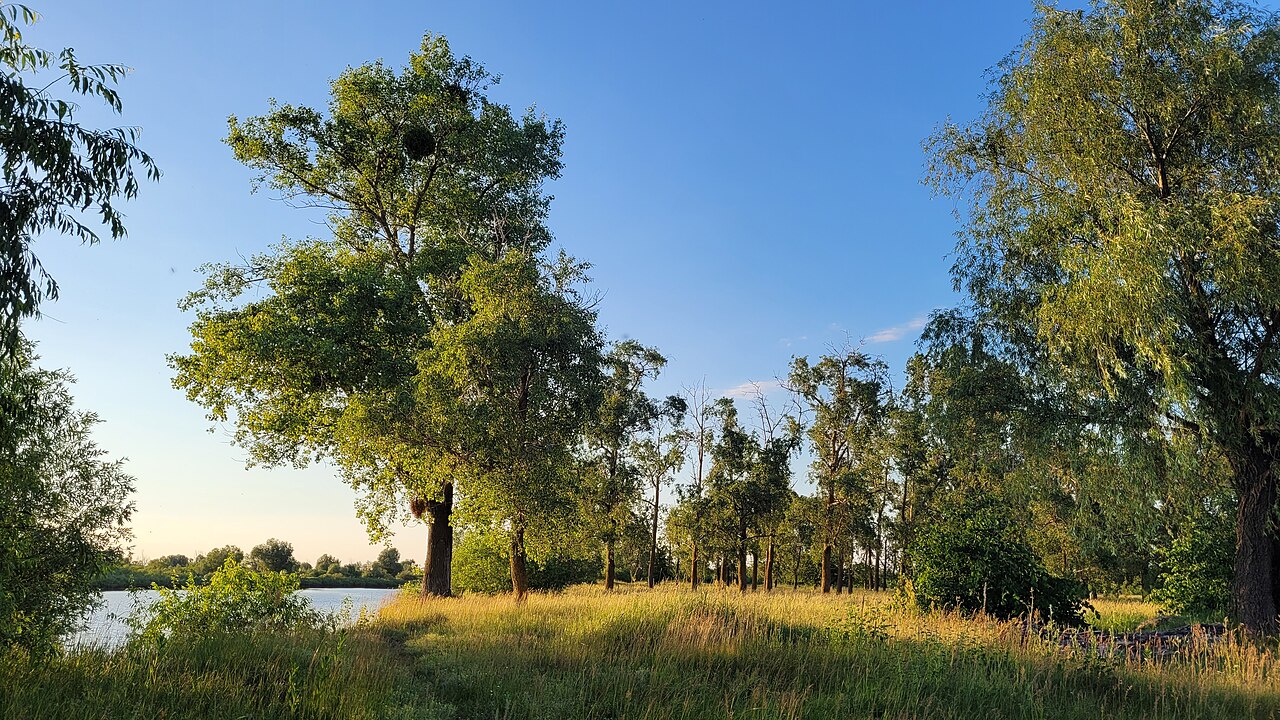
The region is dominated by flat terrain with soils and wetlands typical of the Polesie area. Several rivers cross the oblast and help shape its economy and settlements; river valleys support agriculture, fisheries and transport. Large forested tracts provide timber and habitat for wildlife, while low-lying marshes play a role in flood regulation and biodiversity.
History and the Chernobyl legacy
Gomel’s modern administrative boundaries and industrial profile were largely set during the Soviet period through planned development of industry, energy and transport. In 1986 the nearby Chernobyl accident at the nuclear reactor had profound consequences for the region. Gomel and neighbouring Mahilyow Voblast experienced significant contamination and social disruption after the catastrophe. Parts of the oblast border the Chernobyl Exclusion Zone and some districts were designated as compulsory or voluntary resettlement areas because of persistent radioactive contamination. Recovery, monitoring and long-term health and environmental programmes have shaped policy and land use since the accident.
Economy and land use
The region’s economy combines agriculture, food processing, heavy industry, energy production and timber. Urban centres host machine-building and chemical plants, while rural areas focus on crop growing and livestock. In contaminated zones, restrictions on agriculture and forestry have affected traditional livelihoods and prompted alternative land-use planning, environmental remediation and ongoing monitoring.
Importance and notable facts
- Gomel is the oblast capital and its largest city, serving as the administrative, transport and cultural centre.
- The oblast contains a mix of industrial towns and extensive natural landscapes, including wetlands important for regional ecology.
- The 1986 Chernobyl accident remains a defining event for parts of the region, influencing population movements, land management and public health initiatives.
- Administrative organization: 21 raions, 278 selsovets, 17 cities and 8 city municipalities reflect a varied urban-rural structure.
For further reading on the region’s administration, cities and the long-term environmental response to Chernobyl, consult regional sources and specialised studies on Belarusian geography and post-accident rehabilitation efforts. Links and resources are available through official and academic channels: see local government portals and scientific assessments for up-to-date information and maps. More on Belarus, Gomel administration, and detailed materials relating to Chernobyl and its consequences can provide deeper context.
Related articles
Author
AlegsaOnline.com Gomel Region (Homiel Voblast) — overview, administration, and Chernobyl impact Leandro Alegsa
URL: https://en.alegsaonline.com/art/39567