
Gondwana Rainforests: UNESCO World Heritage subtropical reserves of eastern Australia
Explore the Gondwana Rainforests, a UNESCO World Heritage network of 50 subtropical reserves along the NSW–Queensland border, preserving ancient plant lineages, waterfalls, trails and rich biodiversity.
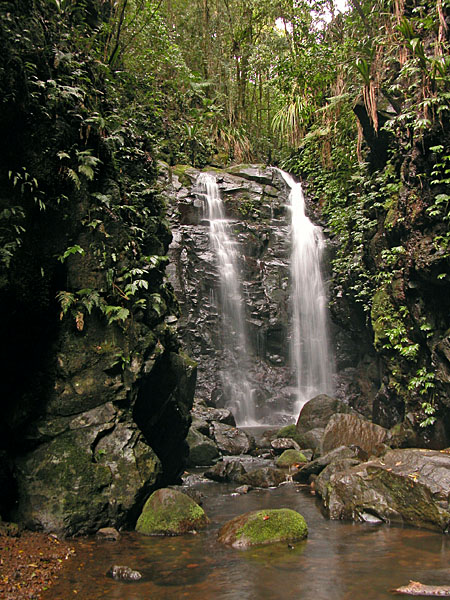
Gondwana Rainforests is a network of protected forest reserves in eastern Australia that contains large areas of subtropical rainforest. The group of reserves is recognised internationally and is listed by UNESCO as a World Heritage Site. It was previously designated the "Central Eastern Rainforest Reserves".
Image gallery
5 Images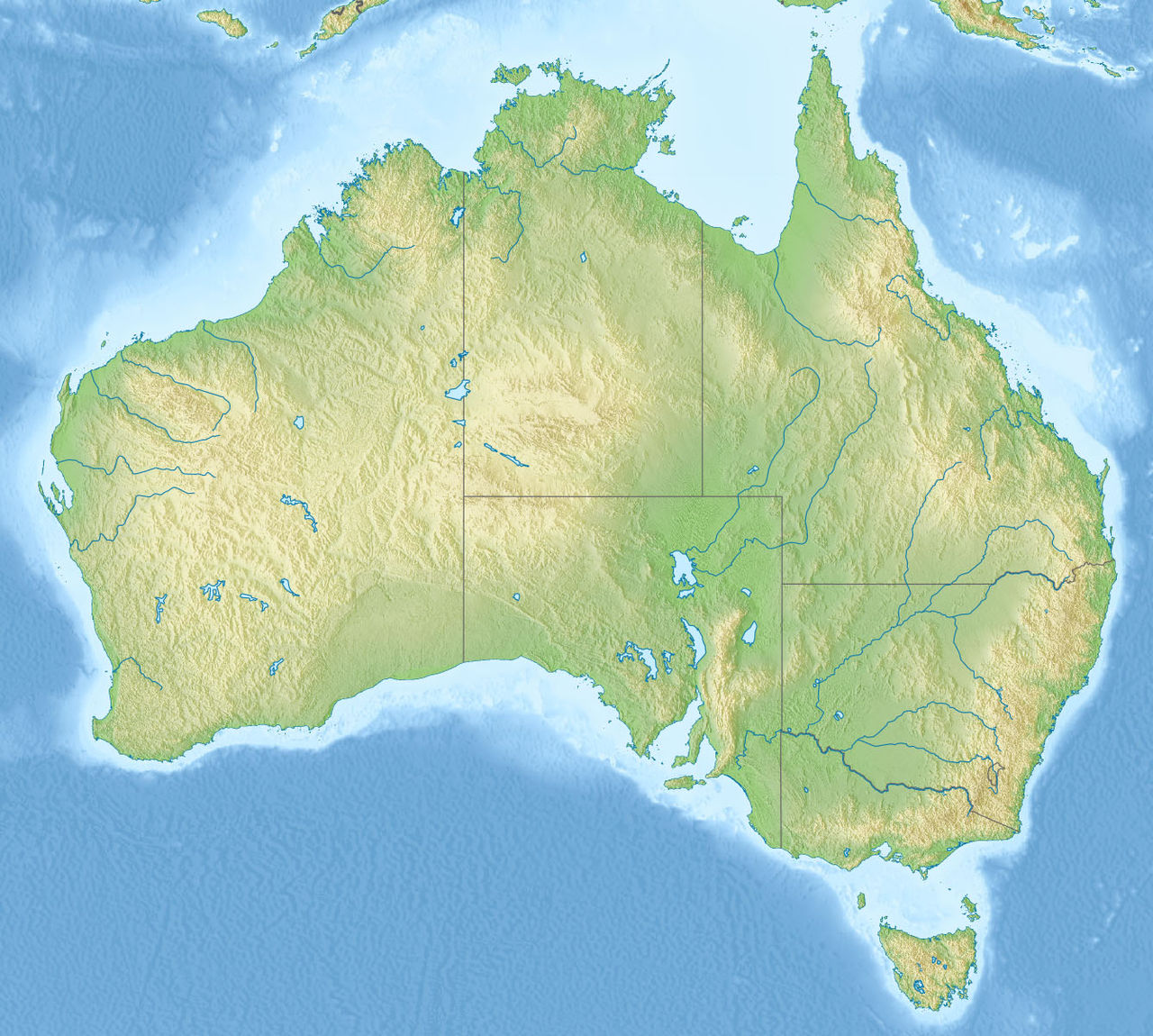


Location and extent
The property comprises fifty separate reserves that together cover about 3,665 square kilometres (1,415 sq mi). The reserves lie roughly along the border between New South Wales and Queensland, protecting forested ranges, gorges and volcanic plateaux.
Origins and scientific importance
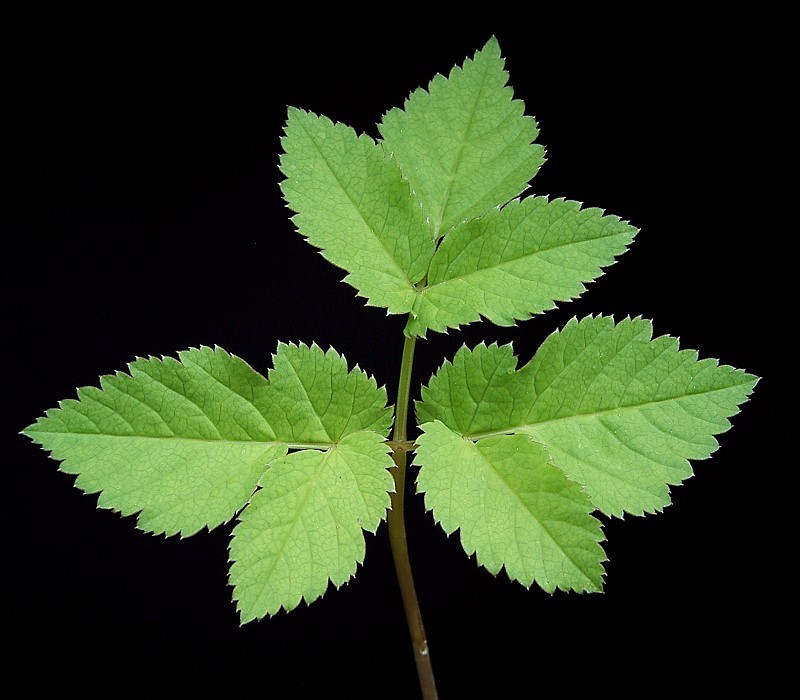
The name refers to the ancient supercontinent Gondwana. Fossil evidence indicates these forests contain living plant lineages that trace back to the time when Gondwana existed; the fossil record helps link current species with those ancient ecosystems. Because of these evolutionary connections and the high number of primitive plant groups, the area is important for understanding the history of rainforests in Australia and worldwide.
Conservation and visitors
The reserves are managed under a mix of national park and conservation arrangements by state authorities, with conservation objectives including protection of habitat, rare species and ecological processes. The Gondwana Rainforests attract significant public interest, receiving on the order of two million visitors each year to walk tracks, view waterfalls and learn about the region’s natural history.
Key facts
- Former name: "Central Eastern Rainforest Reserves"
- Number of separate reserves: 50
- Total area: about 3,665 km² (1,415 sq mi)
- Location: along the New South Wales–Queensland border
- International status: listed by UNESCO as a World Heritage Site
- Scientific interest: links to ancient Gondwana through the fossil record
- Main ecosystem: subtropical rainforest
- Estimated annual visitors: around two million
Questions and answers
Q: What is the former name of the Gondwana Rainforests of Australia?
A: The former name of the Gondwana Rainforests of Australia was 'Central Eastern Rainforest Reserves'.
Q: How many reserves make up the Gondwana Rainforests?
A: The Gondwana Rainforests are made up of 50 separate reserves.
Q: How large is the area covered by these reserves?
A: The area covered by these reserves is 3,665 square kilometres (1,415 sq mi).
Q: Where is this UNESCO World Heritage Site located?
A: This UNESCO World Heritage Site is located around the New South Wales–Queensland border.
Q: Why are they called 'Gondwana' rainforests?
A: They are called 'Gondwana' rainforests because when Gondwana existed it was covered by rainforests containing the same kinds of species that are living today.
Q: How many visitors come to this reserve each year?
A: Approximately 2 million visitors come to this reserve each year.
Related articles
Author
AlegsaOnline.com Gondwana Rainforests: UNESCO World Heritage subtropical reserves of eastern Australia Leandro Alegsa
URL: https://en.alegsaonline.com/art/39587
Sources
- environment.gov.au : "Gondwana Rainforests of Australia"
- whc.unesco.org : "Gondwana Rainforests of Australia" · webcitation.org