
Godfried Danneels (1933–2019), Belgian Cardinal and Archbishop
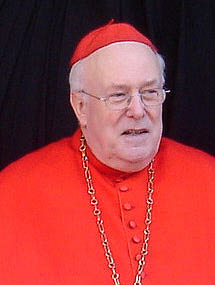
Cardinal Godfried Danneels was a leading figure in the Belgian Catholic Church, serving as Archbishop of Mechelen–Brussels (1979–2010) and as a long-time president of the national bishops' conference.
Overview
Godfried Maria Jules Danneels (4 June 1933 – 14 March 2019) was a prominent Belgian prelate of the Roman Catholic Church. He served as Metropolitan Archbishop of Mechelen–Brussels from 1979 until his resignation was accepted in 2010, and was elevated to the College of Cardinals in 1983. Danneels chaired the Belgian bishops' conference for many years and was a recognizable public voice of the Church in Belgian civic life.
Image gallery
3 Images
Career and roles
Danneels was born in Kanegem, in the municipality of Tielt, and spent most of his ministry in Belgium. He became Archbishop of Mechelen–Brussels in 1979 and was created a cardinal by Pope John Paul II in 1983. His resignation as archbishop was submitted at the customary retirement age and was formally accepted by Pope Benedict XVI on 18 January 2010. He died in Mechelen on 14 March 2019, aged 85.
Characteristics and influence
Danneels was generally regarded as a moderate and a mediator within the Church. He sought dialogue between the hierarchy and wider Belgian society during decades of rapid secular change. As head of the national episcopal conference he played a coordinating role on pastoral priorities, education, and the Church’s public presence in Belgium. His tenure coincided with debates about liturgy, social policy and the Church’s role in a pluralist culture.
Controversies and later years
During the 2000s the Belgian Church confronted painful revelations about clerical sexual abuse. Danneels’s handling of these cases attracted public scrutiny and criticism, as it did for many bishops worldwide. In response to criticism, the Belgian hierarchy initiated measures and reviews intended to improve transparency and victim support; Danneels participated in these institutional efforts while also remaining a controversial figure for some observers.
Legacy
Cardinal Danneels left a legacy as a long-serving leader who helped shape the Belgian Church through social change and institutional challenges. His influence is remembered for both his diplomatic style and the contested manner in which the Church addressed internal failures during his episcopate. He remained a cardinal until his death in 2019, and his career is often cited in discussions about episcopal leadership and accountability in the late 20th and early 21st centuries.
Related articles
Author
AlegsaOnline.com Godfried Danneels (1933–2019), Belgian Cardinal and Archbishop Leandro Alegsa
URL: https://en.alegsaonline.com/art/39396
Sources
- de.catholicnewsagency.com : "Kardinal Godfried Danneels ist tot"
- kerknet.be : "Kardinaal Godfried Danneels overleden"