
God Save the Queen (Sex Pistols song)
A 1977 punk single by the English band The Sex Pistols that attacked the British establishment, provoked censorship, and became an enduring emblem of the UK punk movement.
God Save the Queen is a provocative single by the English English punk rock band The Sex Pistols. Issued during the period of national celebration surrounding the monarch's Silver Jubilee, the record quickly became synonymous with 1970s British punk: confrontational in tone, brief and aggressive in performance, and deliberately aimed at questioning established institutions. The track later appeared on the band's only studio album, Never Mind the Bollocks, Here's the Sex Pistols.
Image gallery
2 Images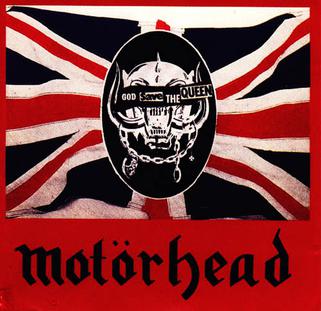

Musical style and lyrical themes
The song features driving guitar riffs, a raw rhythm section and snarling vocal delivery typical of the group's early sound. Lyrically it expresses disdain for the monarchy and for what the band presented as a complacent and decaying social order. Rather than a reasoned political essay, the piece functions as a blunt cultural provocation—its chorus and imagery were crafted to shock as much as to persuade.
Release, controversy and censorship
Upon release the single generated immediate controversy. The record sleeve and lyrics offended sections of the public and media, and several broadcasters and retailers refused to handle it. The national broadcaster BBC banned airplay of the song, a move that only intensified publicity. Distribution difficulties and censorship contributed to debates about free expression in popular music and helped cement the song's notoriety.
Reception and legacy
Despite—or because of—the backlash, the single sold strongly and is remembered as one of the defining recordings of British punk. It is frequently cited in discussions of music and political protest, and is included on numerous retrospective lists and compilations dealing with influential rock singles of the era. The release helped to crystallize the Sex Pistols' public image and to inspire subsequent generations of musicians who saw punk as a vehicle for cultural dissent.
Covers and notable versions
- Motörhead recorded a well-known cover, demonstrating the song's crossover appeal beyond the punk scene.
- It has also been interpreted by a variety of other artists in live performances and compilation releases, spanning punk, rock and alternative repertoires.
Over time the song's story—its ban, its role in the Sex Pistols' brief but influential career, and the tensions it revealed between popular music and establishment institutions—has taken on symbolic importance. Scholars, critics and fans continue to reference it when discussing censorship, youth culture, and the social impact of popular music.
Related articles
Author
AlegsaOnline.com God Save the Queen (Sex Pistols song) Leandro Alegsa
URL: https://en.alegsaonline.com/art/39384