
God (John Lennon song)
A concise, neutral overview of John Lennon’s song “God” from his 1970 album Plastic Ono Band: themes, recording, reception, and legacy, with context on its personal and cultural impact.
Overview
“God” is a stark, declarative track from John Lennon’s first widely recognized solo album, John Lennon/Plastic Ono Band. Recorded in 1970, the song departs from polished pop and presents a blunt, conversational vocal accompanied by sparse instrumentation. It is often discussed for its candid tone and the way it summarizes Lennon’s post-Beatles break with public identities.
Image gallery
1 Image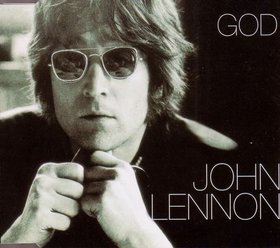
Composition and recording
The arrangement is intentionally minimal: lead voice, electric bass, and drums produce a close, almost confessional sound. Sessions for the album involved a small group of trusted musicians and were influenced by Lennon’s involvement with primal therapy, which aimed to strip away psychological defenses and favored plain, unvarnished performances.
Themes and lyrics
Rather than telling a story, the song lists institutions and beliefs the singer rejects, then contrasts that negation with a single personal affirmation. Its lyrical structure is repetitive and emphatic, creating the effect of a manifesto delivered in the first person. Critics and listeners have read it as both a statement of personal freedom and a provocation toward organized faith and celebrity worship. For background on Lennon’s life and ideas see John Lennon and discussions of religion and culture at related resources.
Release and reception
The song appeared on the album released in December 1970 in both the U.S. and the U.K.. Contemporary reactions ranged from praise for its honesty to controversy over its rejection of religious and popular symbols. Some commentators highlighted the song’s break with Lennon’s past as a Beatle; others treated it as part of a broader cultural conversation about faith, identity, and the role of public figures.
Personnel and notable facts
- Recorded with a small ensemble to preserve intimacy.
- Reflects Lennon’s psychological and artistic recalibration after leaving the Beatles.
- Seen as a defining statement of his early solo period and frequently cited in retrospectives.
Legacy
Over time “God” has been regarded as a key track in understanding Lennon’s solo work: blunt, personal and influential in shaping his public persona. It remains a touchstone in debates about celebrity, belief, and artistic candor, cited by scholars and fans when discussing the transition from 1960s pop to more introspective solo artistry.
Related articles
Author
AlegsaOnline.com God (John Lennon song) Leandro Alegsa
URL: https://en.alegsaonline.com/art/39381