
Irving Berlin — American composer and songwriter (1888–1989)
Irving Berlin, born Israel Baline in Imperial Russia, was a prolific American songwriter whose melodies and lyrics—such as "White Christmas" and "God Bless America"—shaped 20th-century popular music.
Overview
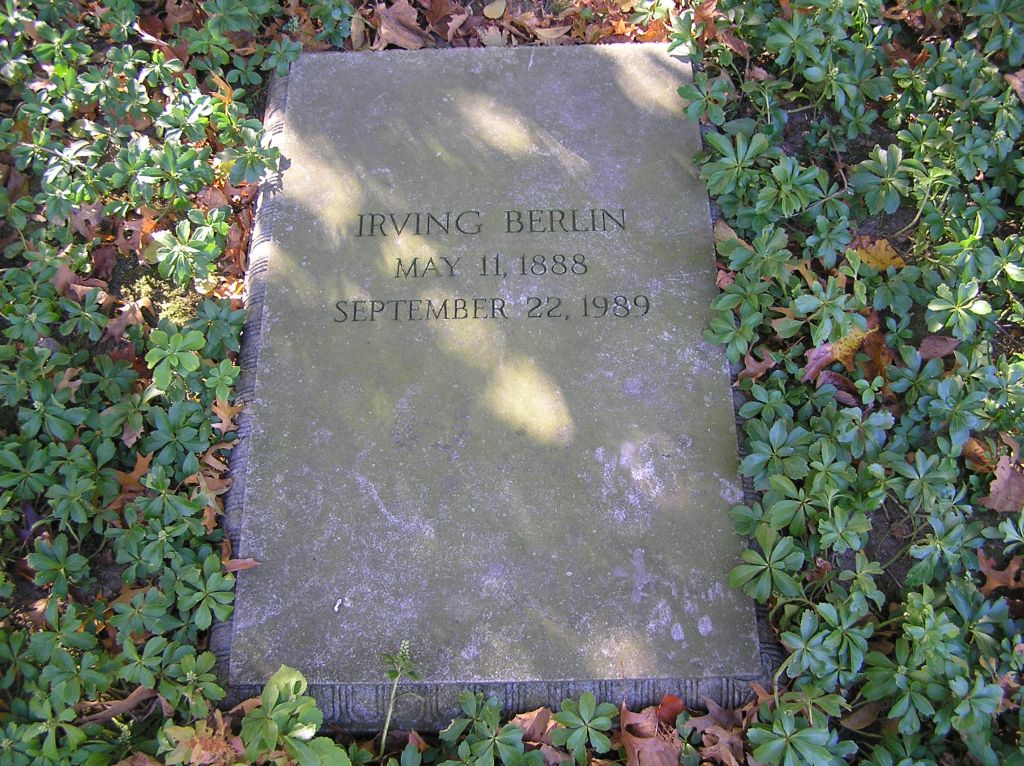
Irving Berlin (May 11, 1888 – September 22, 1989), born Israel Baline in Imperial Russia, emigrated to the United States as a child and became one of the most influential figures in American popular music. Known as a Jewish-American artist, he built a career that spanned Tin Pan Alley, Broadway and Hollywood, writing songs that entered the national consciousness and remain standards.
Image gallery
10 Images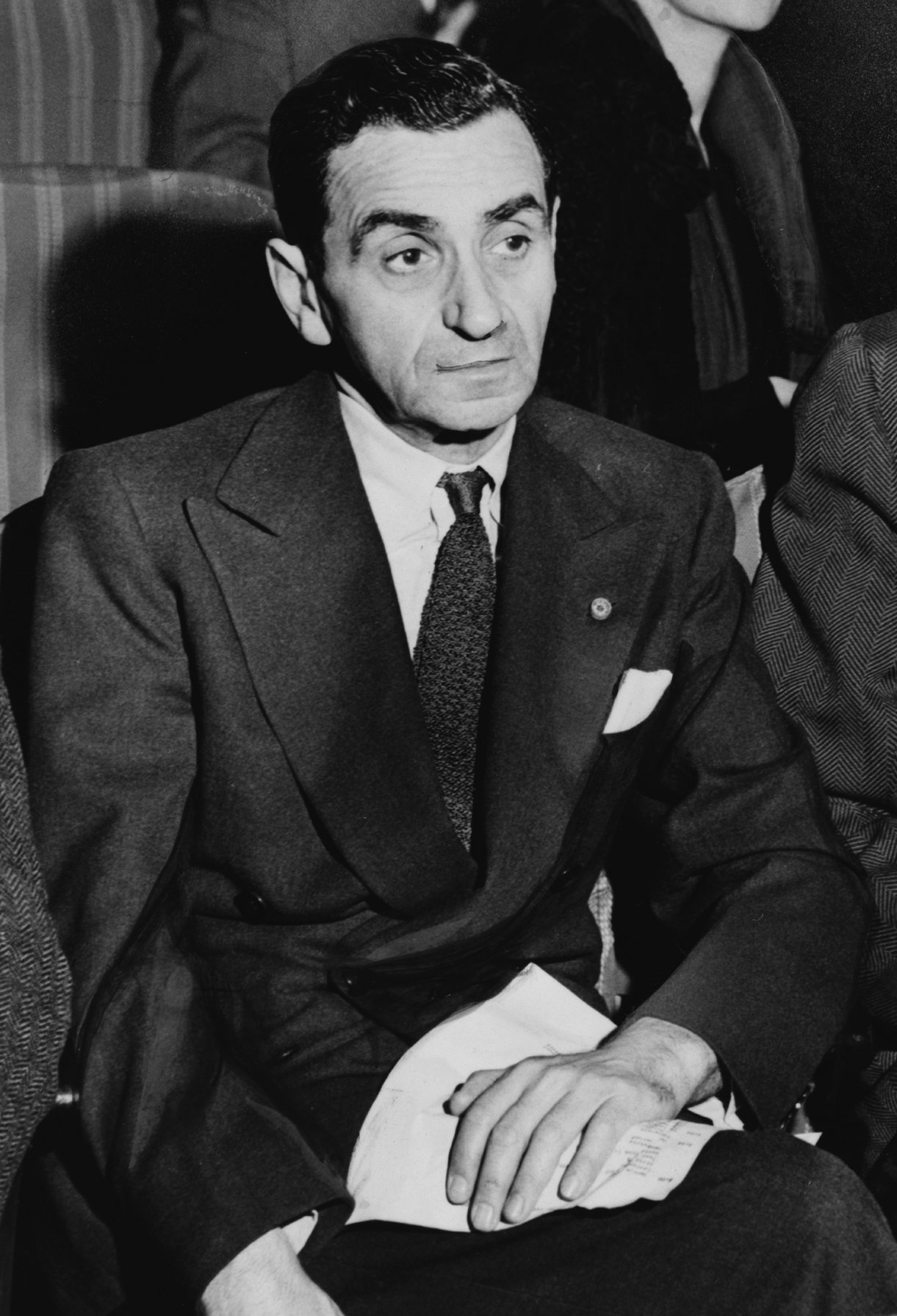


Work and style
Berlin was largely self-taught. He wrote both lyrics and melodies and typically composed at the piano by ear, often using a transposing instrument to match singers' ranges. Over the course of his life he produced an extensive catalogue—by common accounts numbering in the thousands—and his work combined elements of ragtime, early jazz, vaudeville and popular songcraft. He is widely regarded as a key figure in the development of 20th-century American songwriting.
Notable songs and stage works
Many of Berlin's songs became enduring hits and have been recorded by countless artists. Examples include:
- Alexander's Ragtime Band — an early breakout song that helped establish his reputation.
- White Christmas — associated with the film Holiday Inn and one of the best-selling singles ever.
- God Bless America — a patriotic ballad that grew in prominence during the 20th century.
- Cheek to Cheek, Puttin' on the Ritz, Blue Skies and There's No Business Like Show Business — songs that became standards on stage and screen.
Career highlights and context
Berlin's career included hit sheet music, Broadway scores and film songs. He wrote for revues and full-length musicals, and some of his works were adapted for movies. His songs were performed by marquee entertainers of the era and continue to appear in revivals and recordings. As a creative figure who began in the immigrant neighborhoods of New York, his trajectory exemplifies the close links between urban popular culture and American entertainment industries in the first half of the 20th century.
Legacy
Irving Berlin is remembered for his prolific output and for songs that became woven into American celebrations, holidays and public life. Critics and historians point to his melodies' accessibility, his skill with memorable refrains and his ability to write for specific performers as reasons his music endures. He is often described simply as a quintessential American songwriter—acknowledged in biographies, anthologies and collections devoted to the American songbook—and remains a frequent subject for study, performance and reinterpretation.
For further reading on his life and works, see general musical histories or archival collections that document Tin Pan Alley and Broadway songwriting. He is frequently discussed in accounts of American popular music, Jewish contributions to U.S. culture, and the development of 20th-century entertainment. More detailed biographical entries and source materials are available through library and scholarly resources as well as popular biographies and documentary collections; also consult dedicated entries by experts on songwriting history.
Related articles
Author
AlegsaOnline.com Irving Berlin — American composer and songwriter (1888–1989) Leandro Alegsa
URL: https://en.alegsaonline.com/art/120966
Sources
- online.wsj.com : "Irving Berlin's White Christmas,"