
Glam metal: origins, style, history and legacy
Glam metal (hair metal/pop metal) is a commercially driven hard rock subgenre from the 1970s–80s noted for flamboyant fashion, big production, guitar virtuosity and theatrical pop hooks.
Overview
Glam metal, also called hair metal, pop metal or sleaze metal, is a commercially oriented subgenre of hard rock and heavy metal that rose to prominence in the 1970s and especially the 1980s. It fused loud guitars and heavy rhythms with glossy production, melodic songwriting and a strong emphasis on visual presentation. The style produced charting singles, arena shows and heavy rotation on music television, while remaining distinct from underground metal scenes.
Image gallery
5 Images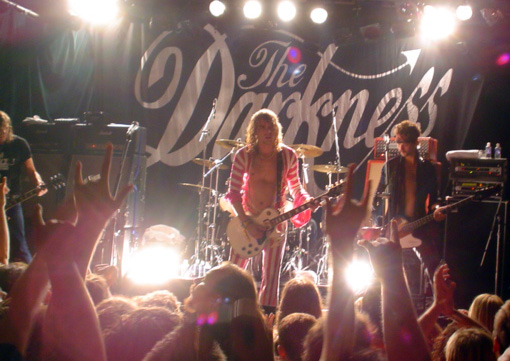



Characteristics
The sound and image of glam metal are defined by a blend of pop sensibility and hard rock power. Common musical and stylistic traits include:
- Prominent, catchy choruses and hook-driven song structures, often including radio-friendly "power ballads".
- Virtuosic but accessible electric guitar work: memorable riffs, melodic solos, and polished production.
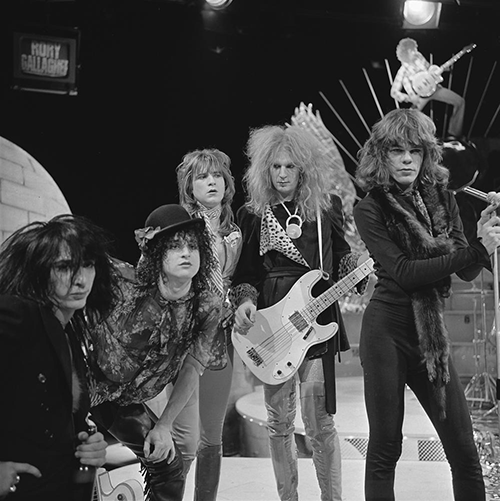
- Stagecraft and fashion drawn from theatrical glam: teased hair, makeup, spandex, leather and flamboyant costumes.
- Lyrical themes that frequently focus on nightlife, romance, lust, rebellion and youth culture rather than political or abstract topics.
Origins and development
Glam metal evolved from several sources: the visual flamboyance of 1970s glam rock, the riff-based drive of classic hard rock and the concise hooks of mainstream pop. It also absorbed some attitude and energy from punk scenes, while polishing those elements for broader audiences. The movement became closely associated with regional club circuits—most famously the Sunset Strip in Los Angeles—and with the rise of music television, which amplified its image-driven appeal. For context, the genre drew on traditions as different as punk rock and pop music to create its hybrid sound.
Peak and decline
During the 1980s many glam metal bands achieved mainstream success with multi-platinum albums, stadium tours and MTV videos. By the early 1990s the scene faced waning popularity as audience tastes shifted toward grunge and alternative rock, which emphasized rawer production and a different cultural aesthetic. Critics and some listeners accused glam metal of prioritizing image and commercialism over artistic depth; these critiques contributed to its diminished profile.
Legacy, criticism and revival
Despite the backlash, glam metal left a lasting impact on popular rock: its songwriting approaches, production techniques and stage showmanship influenced later hard rock and commercial metal acts. In subsequent decades there have been reunions, nostalgia tours and occasional revivals that celebrate the era’s hits. The genre is also re-evaluated for its role in bringing heavier guitar music to mainstream audiences, even as it is discussed critically for clichés and problematic lyrical content.
Notable examples and distinctions
Well-known artists associated with the style include a range of bands that mixed pop hooks with hard rock aesthetics. The term "glam metal" is applied unevenly—some groups are categorized more as hard rock, others as crossover pop-metal—but the label generally denotes the era’s marriage of spectacle and commercial appeal.
Related articles
Author
AlegsaOnline.com Glam metal: origins, style, history and legacy Leandro Alegsa
URL: https://en.alegsaonline.com/art/39088