
Anderlues, municipality in Hainaut, Belgium
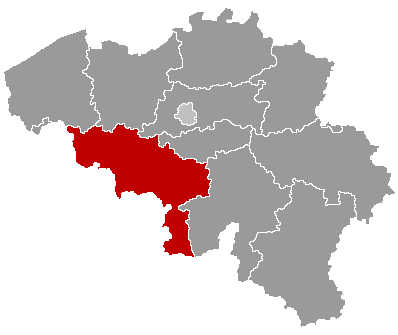
Anderlues is a French-speaking municipality in the Belgian province of Hainaut, near Charleroi. Historically industrial, it had 11,651 inhabitants in 2007 and sits at 50°24′N, 4°16′E.

Anderlues is a municipality in the Walloon Region of Belgium, located in the province of Hainaut. It lies near the city of Charleroi and is part of the broader industrial valley of central Hainaut. At 50°24′ North, 4°16′ East it occupies a position in the French-speaking area of Belgium; the recorded population in 2007 was 11,651 (population figures).
Image gallery
2 Images
Characteristics
The municipality is largely urban and residential with local services, small commercial areas and community facilities. Anderlues' built environment reflects 19th- and 20th-century industrial development common to Hainaut: rows of workers' housing, public amenities and some surviving industrial buildings. The local language is French and municipal life is organized around neighbourhoods and local associations.
History and development
Like many towns in Hainaut, Anderlues developed significantly during the industrial revolution when coal mining, metalworking and related industries expanded in the region. Earlier roots are medieval, but the area's character changed most notably with 19th-century industrialization and the growth of nearby Charleroi as an economic centre. In the late 20th century, the municipality experienced the effects of deindustrialization that affected much of Wallonia, prompting shifts toward services and small-scale manufacturing.
Administration and links
Anderlues is governed as a Belgian municipality with a mayor and municipal council. It belongs to the administrative structures of the province; more information about local administration can be found on the official municipal website and through the provincial authorities of Hainaut. Local government provides schooling, social services and maintenance of municipal infrastructure.
Transport, places and community life

Notable among similar Walloon towns are the historical shift from industrial activity to a more mixed local economy, local civic traditions and an emphasis on preserving community facilities while adapting to economic change. For statistical records and demographic details see the population figures and municipal publications available through the links above.
Related articles
Author
AlegsaOnline.com Anderlues, municipality in Hainaut, Belgium Leandro Alegsa
URL: https://en.alegsaonline.com/art/3897
Sources
- statbel.fgov.be : Werkelijke bevolking per gemeente op 1 januari 2007 / Population de droit par commune au 1 janvier 2007 (.xls)
- statbel.fgov.be : Geografische coördinaten van de gemeenten (.xls)