
Andersonville National Historic Site
Preserved site in Georgia marking Camp Sumter (Andersonville Prison), a Confederate Civil War prisoner-of-war camp, its cemetery, and the National Prisoner of War Museum.
Overview
The Andersonville National Historic Site preserves the location of Camp Sumter, commonly called Andersonville Prison, a Confederate prisoner-of-war camp active during the final year of the American Civil War. The site lies near Andersonville, Georgia, primarily in southwestern Macon County, and includes the prison grounds, the Andersonville National Cemetery, and the National Prisoner of War Museum.
Image gallery
10 Images





Camp layout and conditions
Camp Sumter was designed to hold a fraction of the number of Union soldiers who were confined there. Overcrowding, limited shelter, inadequate sanitation, and scarce potable water contributed to high illness and death rates. Contemporary accounts and later studies point to nutritional deficiency and infectious disease as the main killers. Common causes of death recorded at the site include scurvy, severe diarrheal disease, and dysentery.
Numbers and human cost
Approximately 45,000 Union soldiers were held at Andersonville over the course of its operation; roughly 12,920 of them died while imprisoned. Those figures mean that well over one in four prisoners did not survive their incarceration. The camp’s mortality rate, the visible remains of makeshift graves, and letters and testimony from survivors contribute to Andersonville’s reputation as one of the Civil War’s most notorious prison sites.
Administration and aftermath
Andersonville was run by Confederate authorities under the command of Captain Henry Wirz. After the war, Wirz was arrested, tried by a military tribunal, and convicted on charges related to the treatment of prisoners; he was subsequently executed. The trial and its consequences remain subjects of historical discussion regarding responsibility, wartime conditions, and legal precedent.
Commemoration, museum, and education
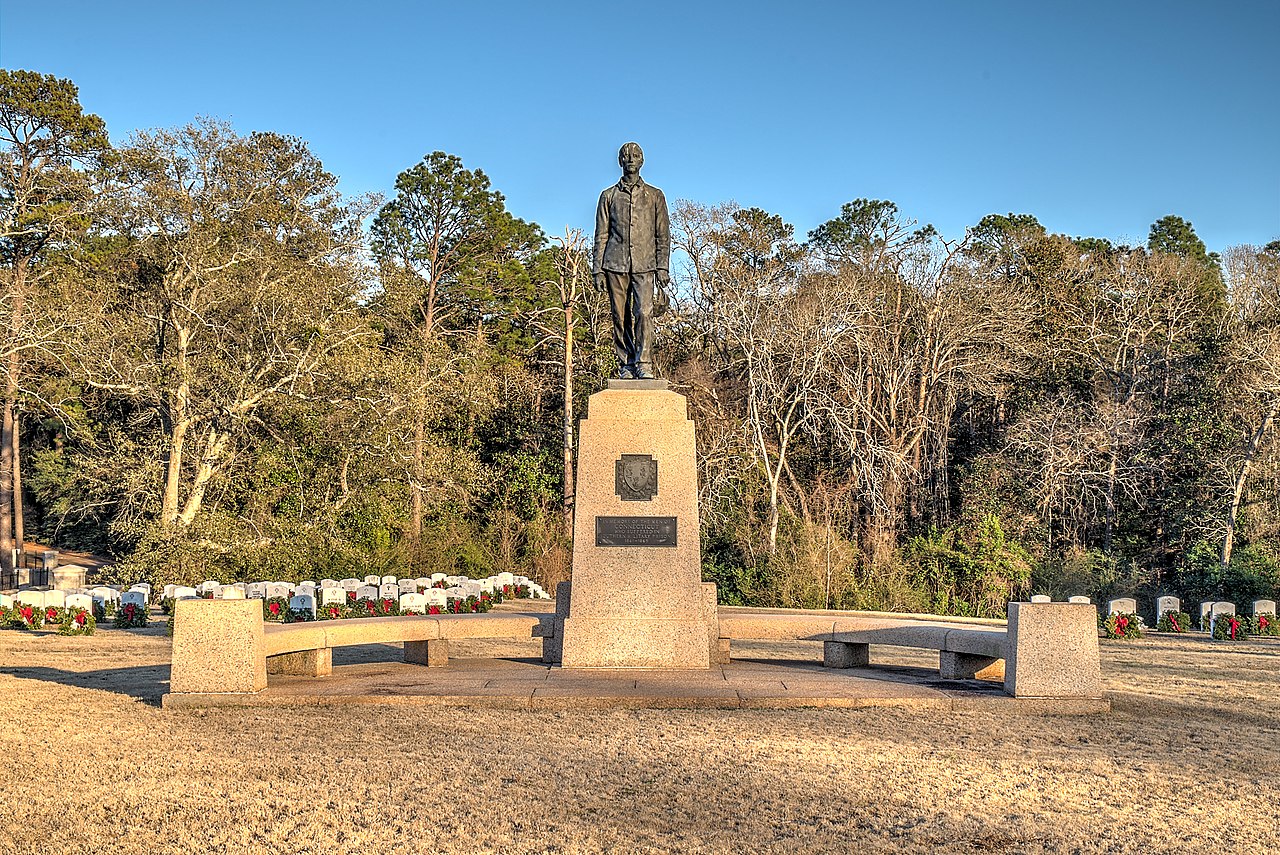
Today the National Historic Site interprets the prison’s history and commemorates those who suffered and died. The Andersonville National Cemetery contains the graves of many of the prisoners, and the National Prisoner of War Museum presents broader stories of captivity and remembrance. Visitors can learn about daily life in the camp, Confederate supply shortages, and postwar memory through exhibits, guided tours, and preserved earthworks.
Key points and further reading
- Camp Sumter (Andersonville) was a Civil War prison-of-war facility that operated during the last year of the conflict.
- It held an estimated 45,000 Union prisoners over its operation, with about 12,920 deaths attributed to disease and deprivation.
- Diseases such as diarrhea and dysentery were widespread; malnutrition and scurvy also took many lives.
- Captain Henry Wirz, who ran the prison, faced a postwar trial and was found guilty of crimes related to prisoner treatment and war crimes, and was executed.
- The site is open to the public and includes interpretive exhibits with additional resources and bibliographies (visitor information, local context). The museum’s collections and programs aim to place Andersonville within the wider history of captivity and wartime suffering (historical interpretation).
The Andersonville National Historic Site remains both a memorial to those who died and an educational resource about the humanitarian and logistical challenges of wartime imprisonment. For visitors and researchers the site underscores how supply shortages, disease, and policy combined to produce one of the Civil War’s most tragic chapters.
Questions and answers
Q: What is the Andersonville National Historic Site?
A: The Andersonville National Historic Site is the location of the American Civil War prisoner of war camp known as Camp Sumter (or Andersonville Prison).
Q: Where is the Andersonville National Historic Site located?
A: The Andersonville National Historic Site is in southwestern Macon County, near Andersonville, Georgia.
Q: What else is located at the Andersonville National Historic Site?
A: At the Andersonville National Historic Site, there is also the Andersonville National Cemetery and the National Prisoner of War Museum.
Q: How many Union Army prisoners died at Andersonville Prison?
A: 12,920 Union Army prisoners died at Andersonville Prison.
Q: What percentage of prisoners at Andersonville died?
A: Over one out of every four prisoners at Andersonville died.
Q: Who ran Andersonville during the Civil War?
A: Confederate Captain Henry Wirz ran Andersonville during the Civil War.
Q: What was Wirz's fate after the war?
A: After the war, Wirz was tried and found guilty of war crimes and executed.
Related articles
Author
AlegsaOnline.com Andersonville National Historic Site Leandro Alegsa
URL: https://en.alegsaonline.com/art/3913
Sources
- nrhp.focus.nps.gov : "National Register Information System"
- nature.nps.gov : "Listing of acreage as of December 31, 2011"
- nature.nps.gov : "Five Year Annual Recreation Visits Report"
- nps.gov : "History of the Andersonville Prison"