
Ginza — Tokyo's upscale shopping, dining and cultural district
Ginza is a central Tokyo neighborhood in Chūō ward known for luxury boutiques, flagship department stores, distinctive architecture, theaters, galleries and a history from an Edo silver mint to a modern commercial hub.
Overview
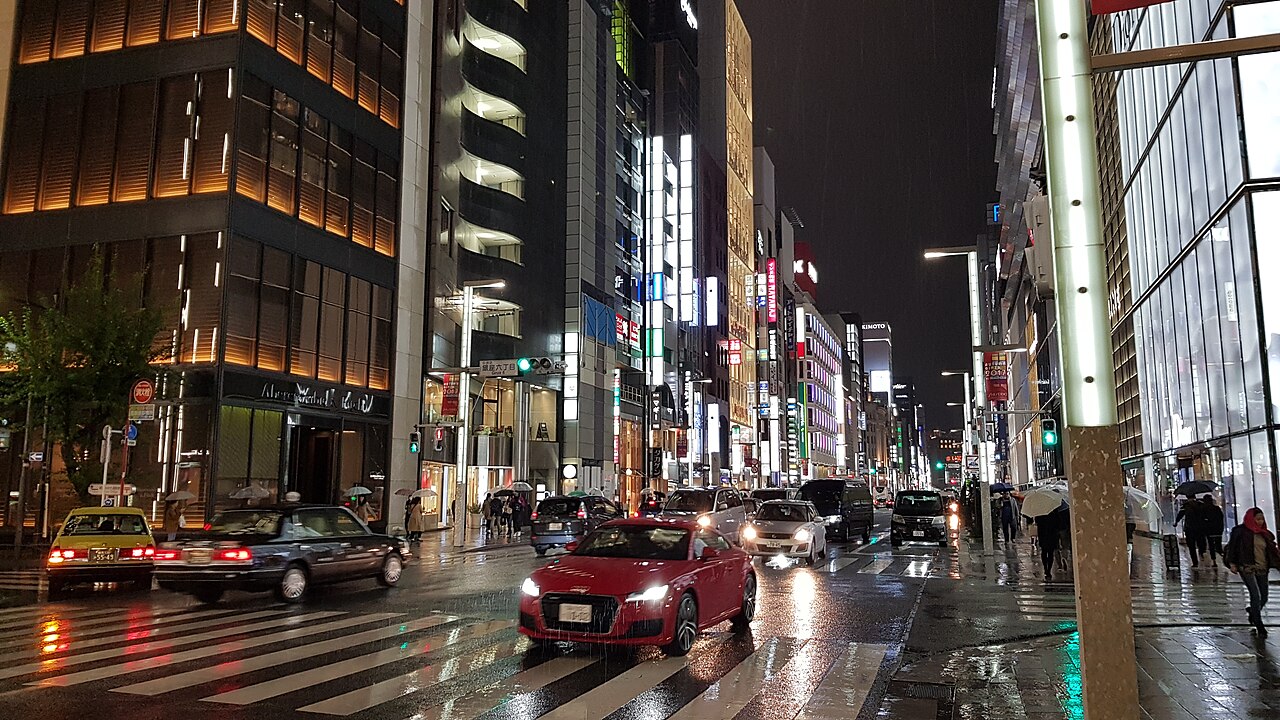
Ginza (銀座) is a prominent district in central Tokyo celebrated for high-end retail, fine dining and a streetscape of modern and historic architecture. It lies within Chūō ward and functions as one of Tokyo's principal commercial and cultural showpieces, attracting shoppers, business visitors and tourists alike.
Image gallery
10 Images




History
The name Ginza originally referred to a government silver mint established in the early 17th century; the characters literally mean "silver place." For centuries the area evolved from a production site to a flourishing commercial quarter. From the late 19th century onward Western-style buildings and department stores appeared, and Ginza expanded as a symbol of modern urban life. The district has been rebuilt repeatedly after fires, the Great Kantō earthquake era disruptions and wartime damage, each cycle contributing to its layered architectural character.
Landmarks and architecture
Ginza is noted for wide avenues such as Chūō-dōri, signature buildings like the Wako clock tower, contemporary complexes including Ginza Six, and a mix of low-rise traditional shopfronts and bold modern towers. The Kabukiza Theatre, a major venue for traditional kabuki performances, and a concentration of small galleries and ateliers add cultural depth to the retail landscape.
Shopping, dining and arts
The neighbourhood hosts flagship stores of international and Japanese brands, long-established department stores, artisanal shops and specialist boutiques. Dining ranges from Michelin-starred restaurants and sushi counters to casual cafes and confectioners. Galleries and exhibition spaces present contemporary art alongside traditional crafts, making Ginza a destination for both shopping and cultural discovery.
Events and public life
Ginza stages seasonal events and promotions throughout the year. A well-known feature is the weekend pedestrianization of Chūō-dōri, when the main street is closed to motor traffic and becomes a wide promenade for walking and window shopping. Seasonal illumination, gallery openings and limited-time pop-ups further animate the district.
Practical information
- Location: central Tokyo within Chūō ward.
- Transport: Ginza is served by several major subway lines at Ginza Station and nearby stations, providing convenient access across the city.
- Visiting tips: weekdays outside peak hours are quieter; weekend pedestrian zones are popular. Store hours vary by shop, and many department stores provide tourist services and tax-free counters.
Compared with other Tokyo districts such as Shibuya or Shinjuku, Ginza emphasizes polished retail, formal dining and cultural venues. Its blend of global commerce and local tradition makes it a representative high-street quarter of Tokyo's urban life.
Related articles
Author
AlegsaOnline.com Ginza — Tokyo's upscale shopping, dining and cultural district Leandro Alegsa
URL: https://en.alegsaonline.com/art/38906