
Gibson County, Indiana
Gibson County is in southwestern Indiana with Princeton as its county seat. Founded in the early 19th century, it blends agriculture, manufacturing and energy production and is part of the Evansville region.
Overview
Gibson County lies in the southwestern corner of Indiana and forms part of the broader Evansville metropolitan region. According to the 2010 census, the county had about 33,500 residents. Its administrative center is the county seat, Princeton, which serves as a local hub for government, services and commerce.
Image gallery
10 Images






Geography and communities
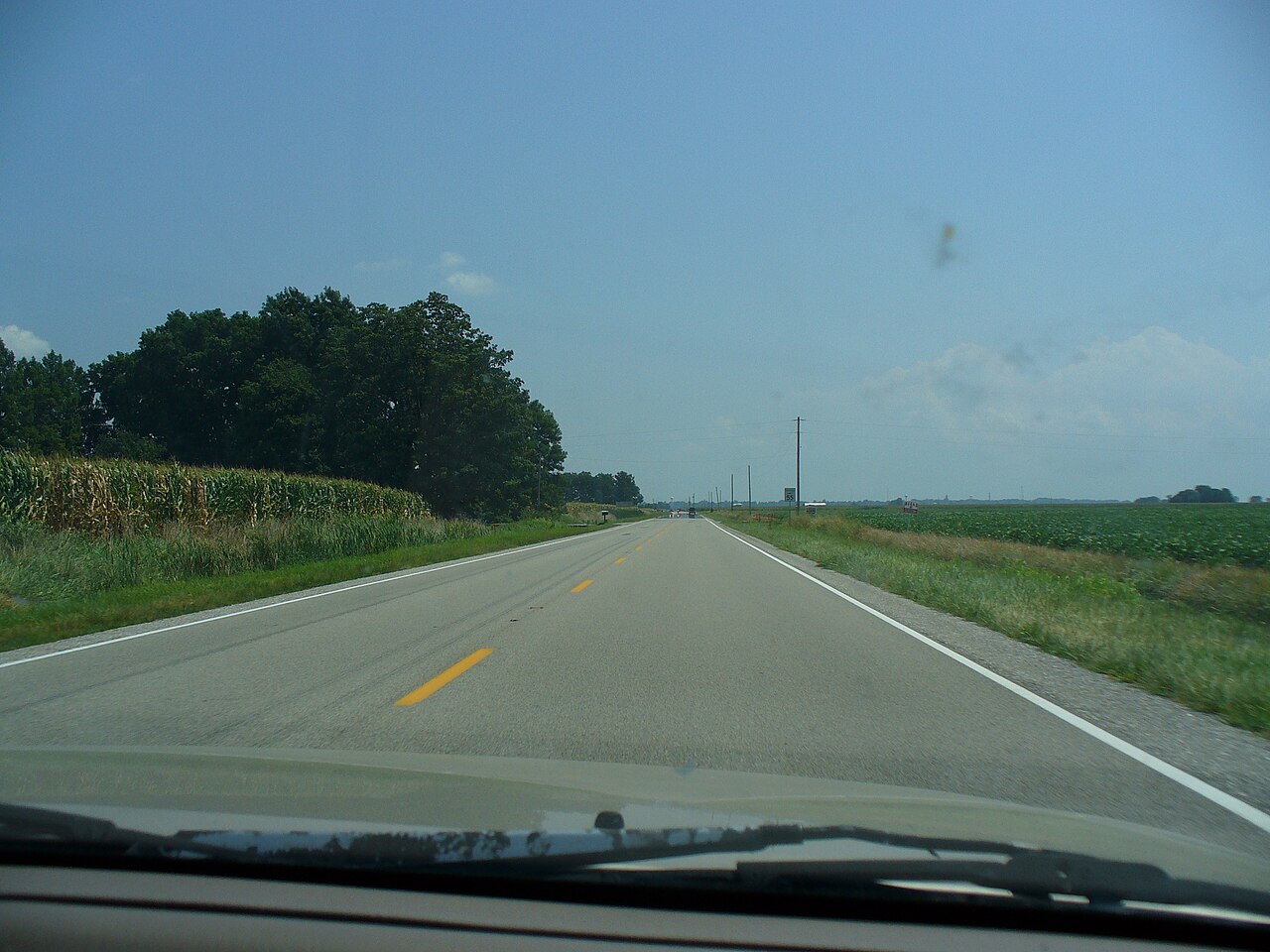
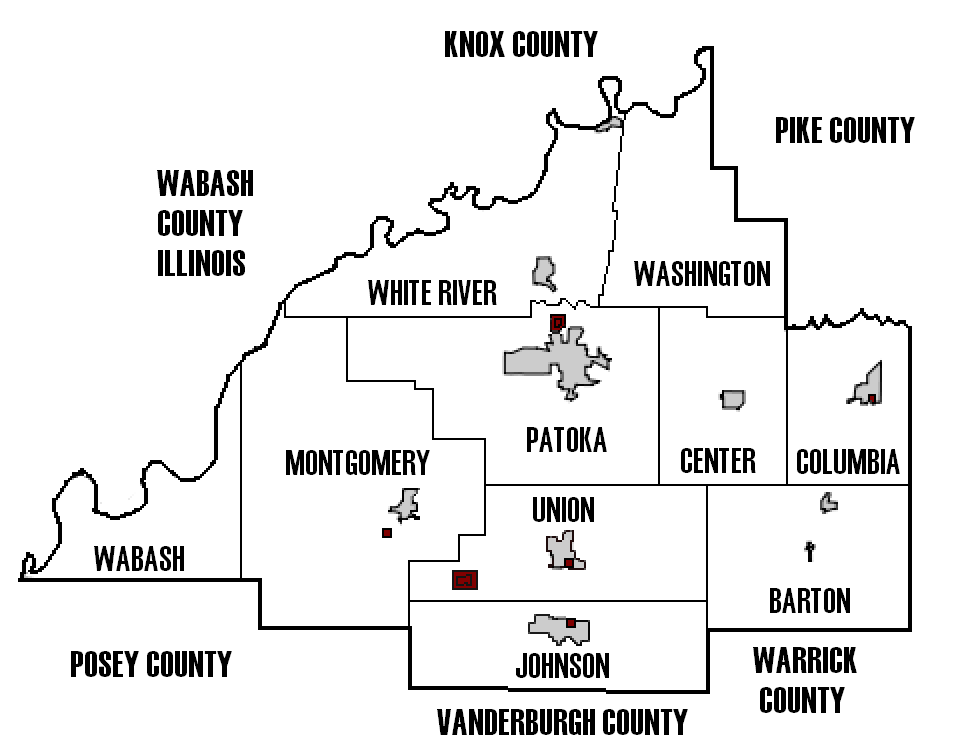
The county's landscape mixes flat agricultural fields with small wooded tracts and river corridors. It is accessible by a network of state roads and rail links and is close enough to larger urban centers to support commuting and regional trade. Principal communities include several small towns and townships that anchor local life and economies.
History
Established in the early 1800s, the county developed initially through farming and river transport, later influenced by railroads and industrial growth. Its name commemorates an early territorial official and soldier, reflecting the common 19th‑century practice of honoring public figures from the frontier era.
Economy and infrastructure
Gibson County's economy combines agriculture with manufacturing and energy production. Farms produce grain and livestock, while local plants and power facilities provide jobs and tax base. Transportation corridors and short‑line railways support both agricultural shipments and industrial supply chains.
Government, education and services
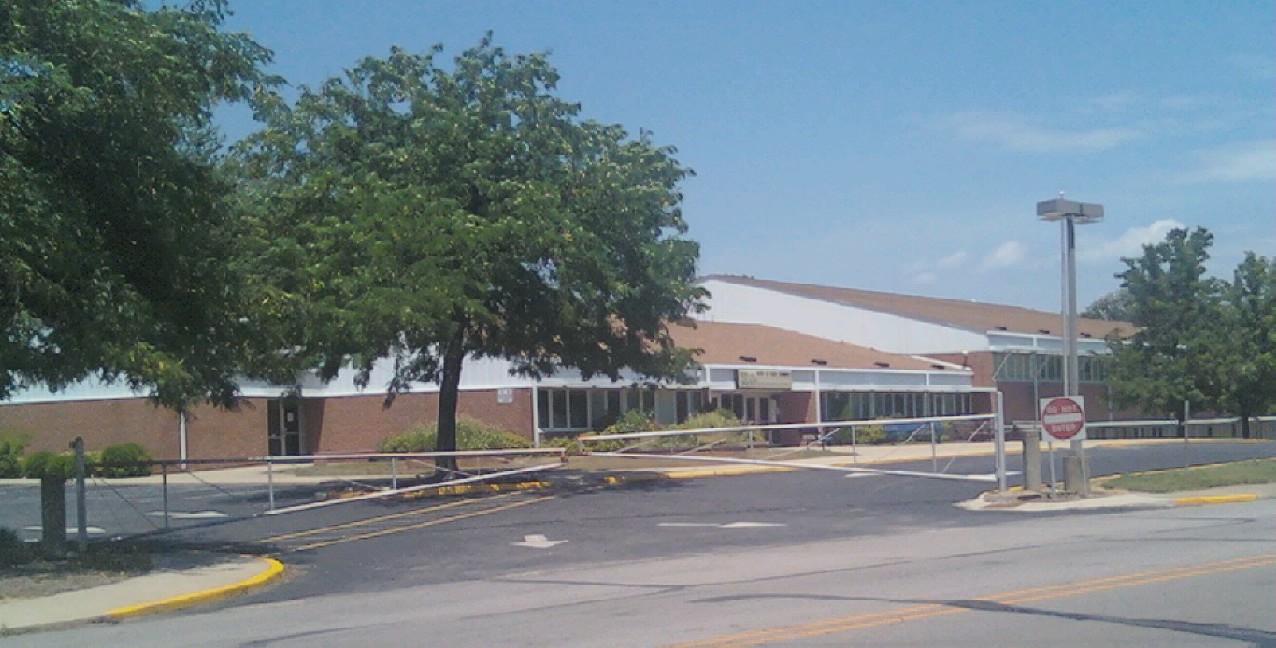
The county is governed by elected officials who oversee courts, roads and local services. Public education is delivered through multiple school districts and community schools located in towns across the county. Health, emergency and recreational services are concentrated in Princeton and other municipal centers.
Notable facts
- Part of the Evansville metro area, linking rural and urban economies.
- Princeton functions as the county's cultural and administrative core.
- The county balances agricultural traditions with industrial and energy infrastructure.
For more detailed maps, demographic updates and local resources, consult county information portals and regional planning authorities represented in official sources and archives (state and regional links).
Related articles
Author
AlegsaOnline.com Gibson County, Indiana Leandro Alegsa
URL: https://en.alegsaonline.com/art/38741
Sources
- quickfacts.census.gov : "Gibson County QuickFacts"
- naco.org : "Find a County" · web.archive.org